Discover science
Interesting things few people know about rats
Rodents include quite a number of species, notably 40% of mammals are rodents. Animals of this species have sharp front teeth and their teeth continue to grow in adultho…
Browse ScienceInfo articles and explainers related to Mice.
834 published items.
Rodents include quite a number of species, notably 40% of mammals are rodents. Animals of this species have sharp front teeth and their teeth continue to grow in adultho…

Between the 8th and 10th centuries, Vikings explored and expanded into Greenland, Iceland and Newfoundland. Now, a new study shows that these brutal notorious people car…

Human saliva produces six times more natural painkillers than morphine, according to French researchers.

Latest studies show that polluted air reduces intellectual ability and harms the brain.

Scientists at the Southwest Medical Center, University of Texas (USA) have discovered the heart of newborn mammals that can restore function after injury.
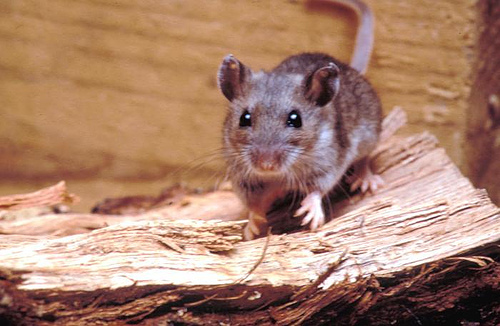
The risk of a number of mouse-to-human outbreaks can be predicted several months in advance if satellite imagery is used to monitor mutations in plants, resulting in a d…

American researchers have discovered that skeletons act as a mechanism to control male fertility through a bone-producing hormone called osteocalcin.

According to US scientists, when pregnant if the mother mouse is infected with nicotine, the pups will suffer from cognitive impairment.

Cats, rats and other predators emit a chemical signal that causes fear in mice.

Women are more than twice as likely to be in a stressful state as their men because their brains are more sensitive to a substance that is created when people are worrie…

One gene helps men have bigger bodies than women, but reduces their lifespan, Japanese scientists concluded.
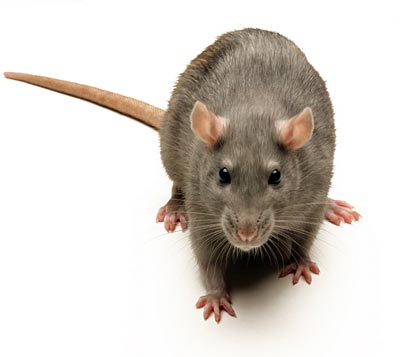
A combination of medication, electrical impulses and regular exercise can cause rats to become paralyzed and even run at their normal ability.

The Easter Island giant rocks were eroded, but they have existed for centuries.
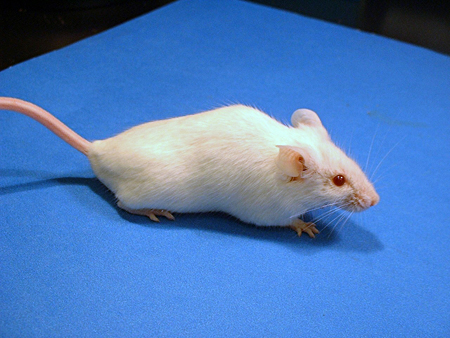
It is not the mouse that speaks in cartoons, this is a flesh-and-bone mouse that carries a version of the human gene involved in speech, a new study says.

Scientists at the Mouse Laboratory at the Helmholtz Center in Munich have contributed greatly to understanding human language development.