New technology
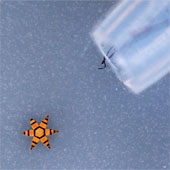
Microgripper - ultra-small clamp used for tissue sampling
When taking a tissue sample for medical diagnosis, doctors often experience limitations because they have to use bulky and easily invasive clips.
Browse ScienceInfo articles and explainers related to Micro.
357 published items.
When taking a tissue sample for medical diagnosis, doctors often experience limitations because they have to use bulky and easily invasive clips.
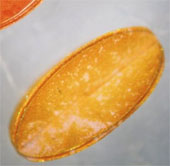
Researchers at ETH Zurich have created a microscopic injectable robot that can measure oxygen levels to help protect the retina.
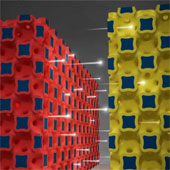
Smart phones (Smart phones) are becoming more sophisticated than ever, but so far, their batteries are still relatively 'antique'.
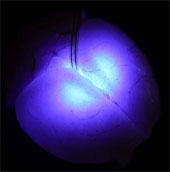
This technology helps scientists learn how the brain works, thereby finding new treatments for brain disorders.
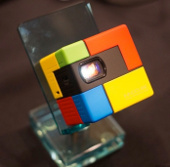
Germany's Rollei and SK Telecom have teamed up to manufacture the Innocube projector with small, lightweight features that are compatible with smartphones, tablets,…

When a soldier is wounded on the battlefield, his intelligent uniform informs him of the location of the wound, and even traces its weapons, biological and chemical weap…

To save on fuel, people often shrink the size of the car. The compactness also shows the convenience of the driver finding the parking space. The world's smallest ca…
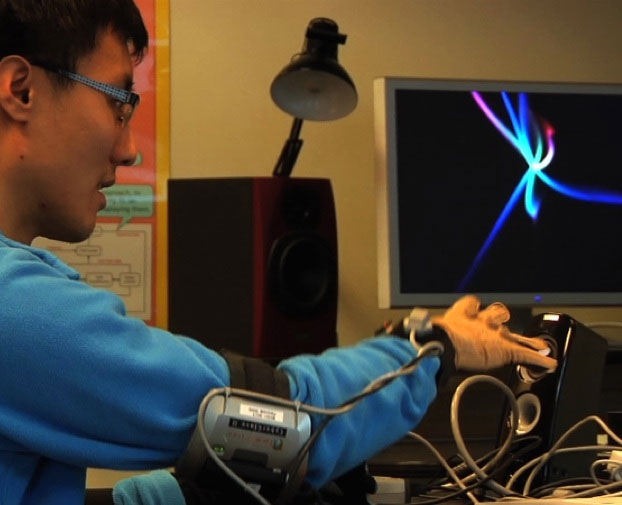
Legend has it that some people can talk by hand. Now a professor of electronics and computer science at the University of British Columbia has decided to turn this legen…
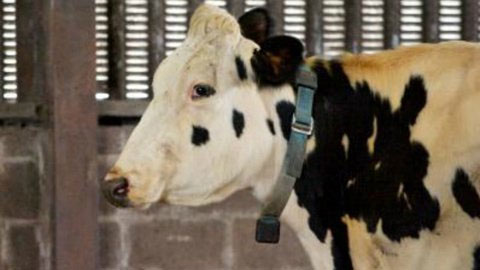
A research project in the UK will equip dairy cows with a sensor system similar to that of the Nintendo Wii, whereby farmers will receive a warning message when they fee…
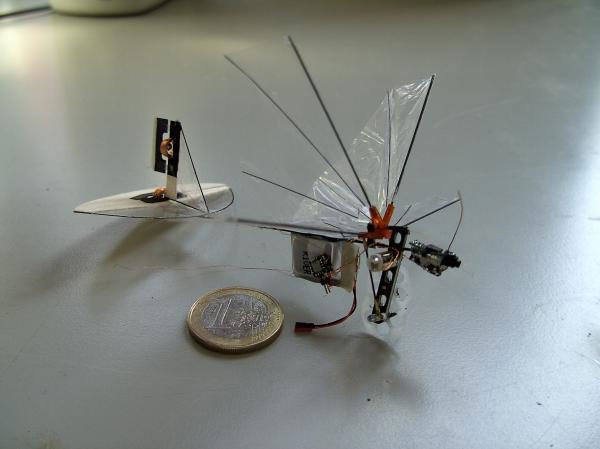
US scientists are studying how to flap wings of butterflies from one flower to another to teach a new generation of robots the size of a small insect.
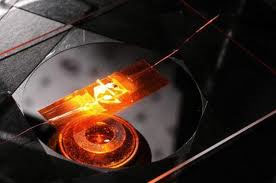
Researchers at the Georgia Institute of Technology used zinc oxide microfibers to significantly improve the efficiency of ultraviolet light emitting diodes.
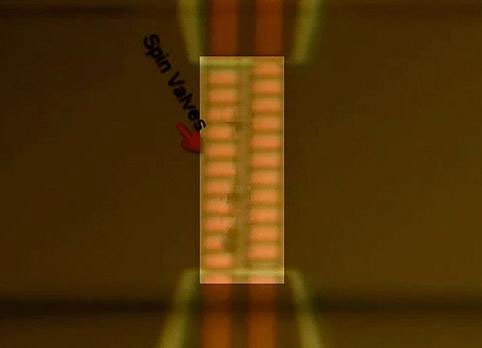
Researchers working at the University of Colorado Boulder, USA together with the National Institute of Standards and Technology (NIST) have developed: New generation mic…

The next generation of unmanned military aircraft will be designed based on insect sensors in nature.
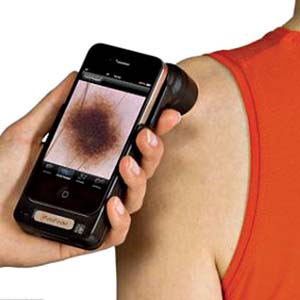
Experts say the microprocessor chip can be attached to a smartphone and detect the tumor within an hour.

Widetronix, New York, has developed a betavoltaic battery that can operate for up to 25 years and can power many small devices.