New technology
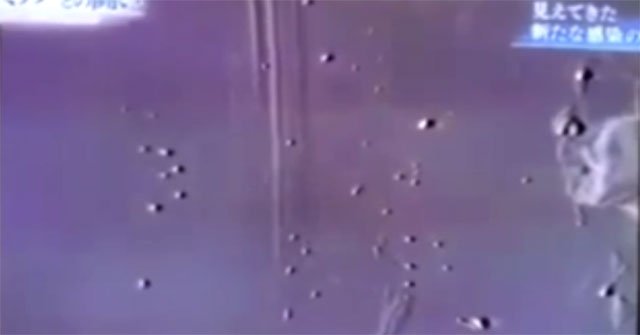
Japan uses technology to capture micro-droplets when sneezing
A clip in Japan shows that the new technology captures images of tiny droplets of water sprayed when people sneeze, smaller than 10 micrometers in size.
Browse ScienceInfo articles and explainers related to Micro.
357 published items.
A clip in Japan shows that the new technology captures images of tiny droplets of water sprayed when people sneeze, smaller than 10 micrometers in size.
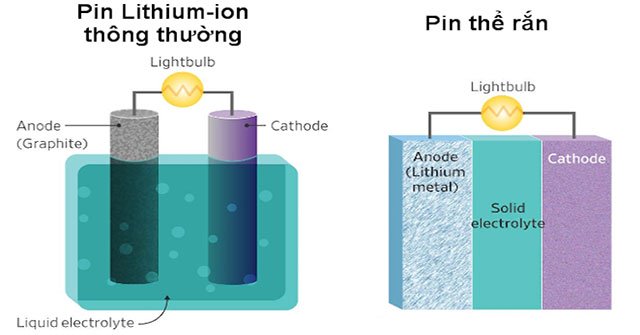
Solid-state battery, has a capacity of 60% higher and reduces the risk of explosion compared to Lithium-ion. - Sohoa
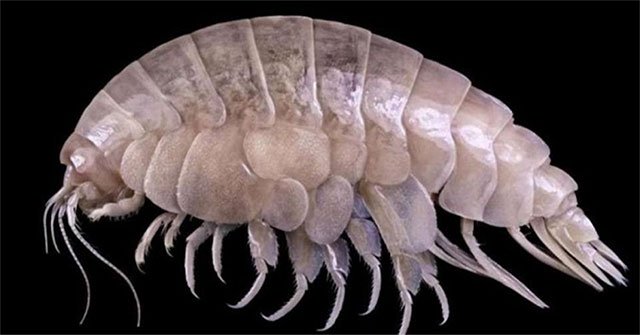
Scientists have discovered a new species of marine animal in the Mariana Trench in the Pacific Ocean that contains plastic waste in the body.

The alarming number of microscopic particles found in a lake on the top of Snowdon is a warning to environmental pollution.
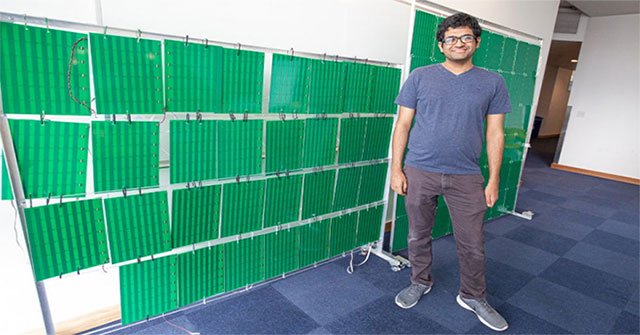
RFocus can help tiny devices capture wirelessly easily.
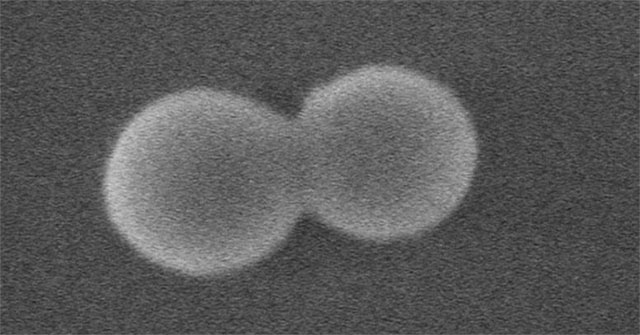

Clothing is an important need for humans, but the harsh reality is that fashion is polluting and devastating the environment.
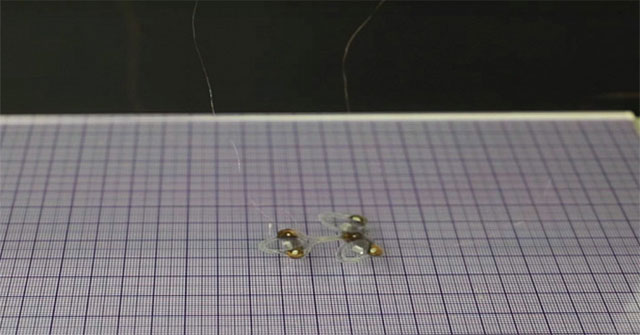
French and Swiss engineers developed a device weighing only 190 milligrams, capable of flexible and secret air travel.
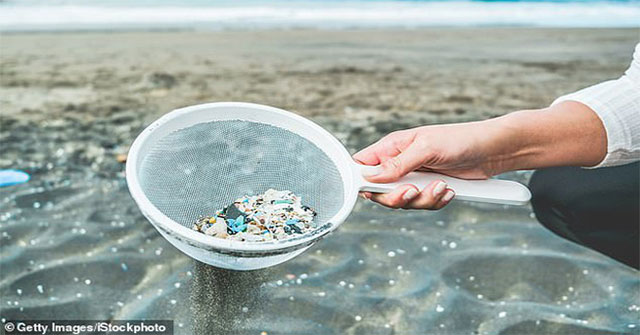
One study shows just how far the size of plastic waste is bigger than human estimates.

The biodegradable humidity sensor helps farmers determine which areas of the farm need to be watered by transmitting a signal that varies according to the soil moisture.
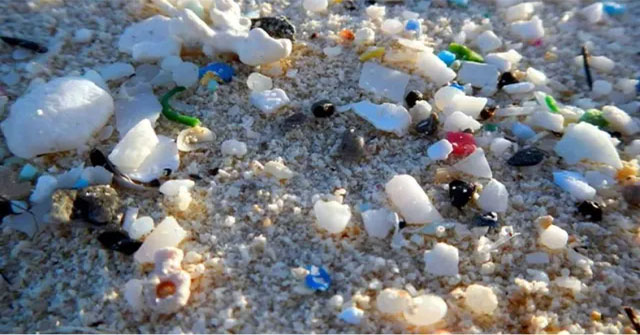
The number of microscopic plastics in the world's oceans is a million times larger than previously thought, according to a new study just published.
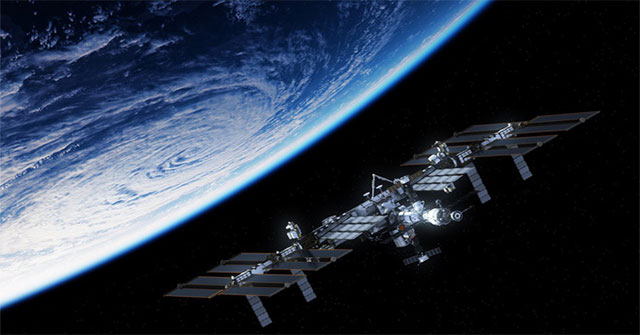
This experiment is part of scientists' attempt to understand how fire works and propagates in microgravity.
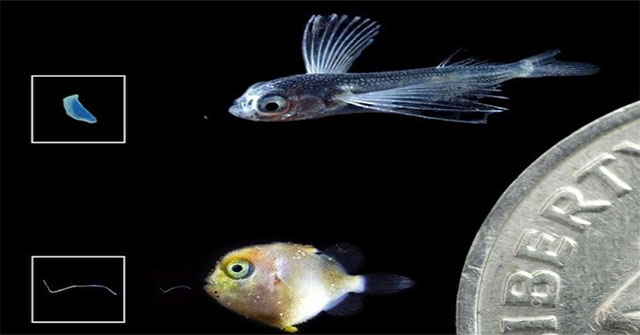
Tiny particles of plastic floating on the sea will be eaten by the fry. This can cause a reduction in the amount of fish on Earth, affecting the food chain of animals.

Cleaning clothes in a water-intensive washing cycle frees up more plastic particles from clothes than any other cycle, new research by UK scientists shows.
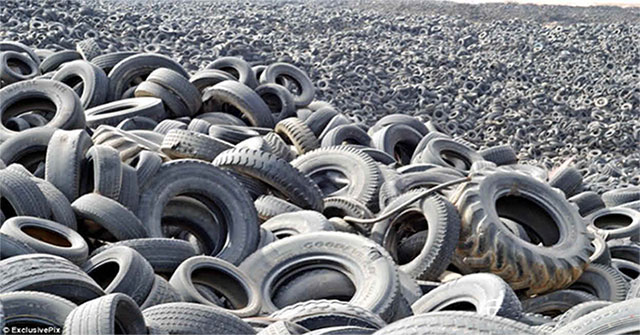
Tires are made of natural rubber and rubber, so it is unlikely that it will be the culprit for spreading 28% of the total amount of micro-particles into the ocean, contr…