
Oceanography
Sea snails 'disguise' the crust into an image like the Milky Way
By taking advantage of the outstanding colors available, with disguised disguise, a clever sea snail has breathtakingly set on its hard shells, making divers look stunne…
Browse ScienceInfo articles and explainers related to Milky Way.
202 published items.
By taking advantage of the outstanding colors available, with disguised disguise, a clever sea snail has breathtakingly set on its hard shells, making divers look stunne…

The simulation provides the most authentic view ever of the supermassive black hole in the center of the Milky Way galaxy.
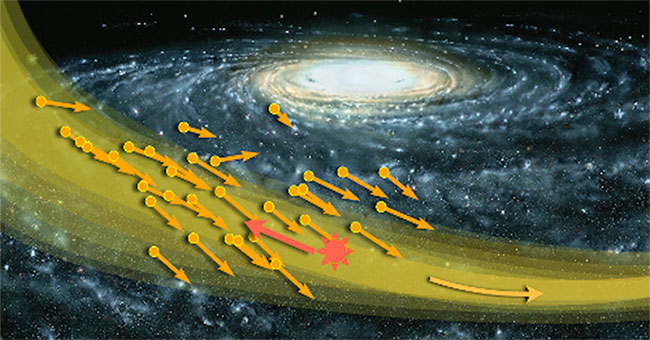
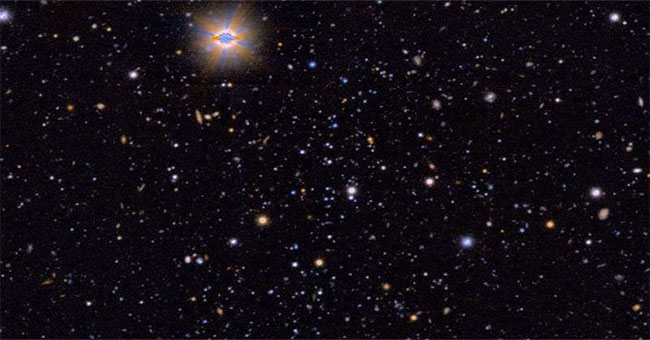
A series of dwarf galaxies and new dwarfs are considered to be the Milky Way's neighbor, scientists have found.
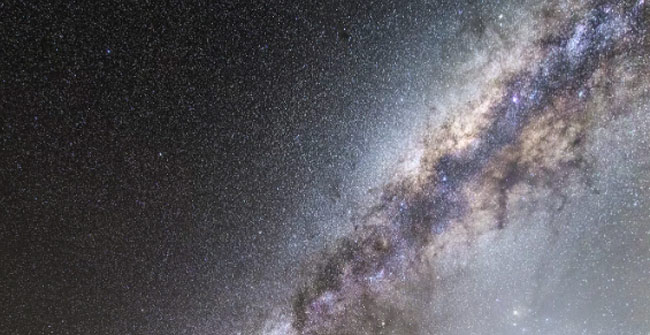
The unexpected ALMA observatory captures a new moment of the Milky Way in a magical night. This photo was taken by the ALMA Observatory in Chile at 5,000 meters above se…
Our Milky Way died once and revived, we live in a Milky Way
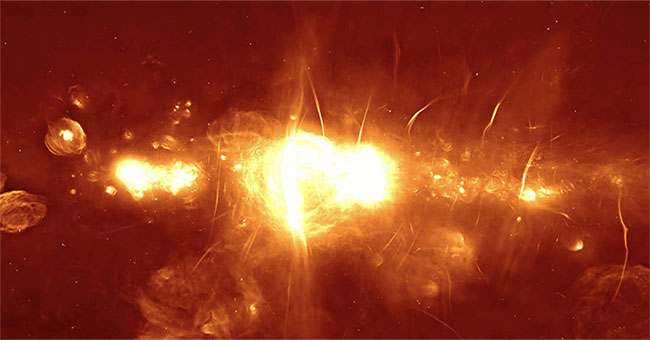
The Earth belongs to the solar system, and the solar system is part of the Milky Way - or the Galaxy (Milky Way). This is probably the most basic knowledge for anyone wh…

Dr. Denilso Camargo of Colégio Militar de Porto Alegre, Brazil discovered five new globular clusters in the Milky Way galaxy, considered to contain hundreds of thousands…
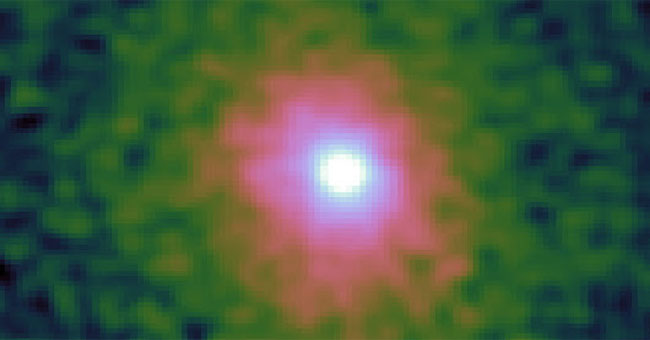
The finding could help reveal how super-large black holes can exist, how it affects the evolution of galaxy clusters, the researchers said.

The Milky Way, the galaxy that holds us and the Solar System, is a large place. It is so big that we may never get out of it. So if there is a chance, how long will we g…
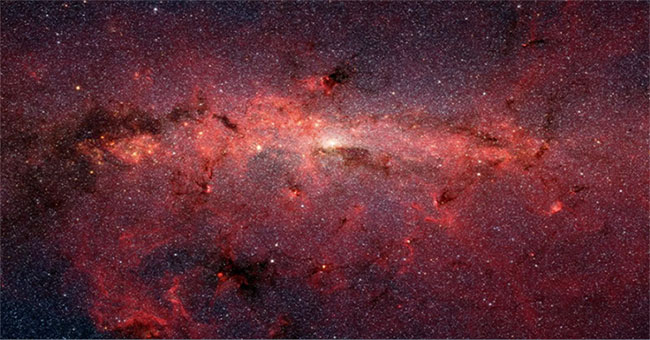
Coiled between the dust, soot and electromagnetic radiation of stars in the Milky Way is a toxic oil and grease mess.
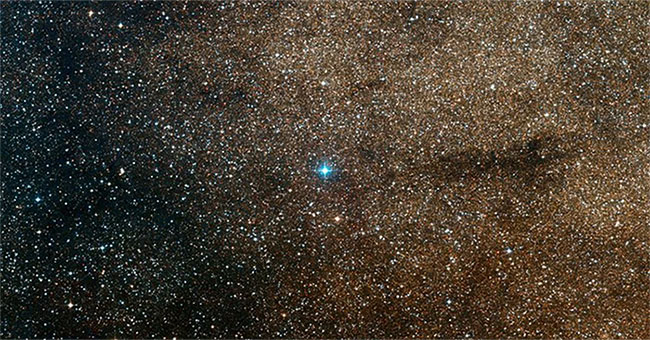
These three young planets orbiting a star called HD 163296, are about 330 million light-years away in the constellation Sagittarius.
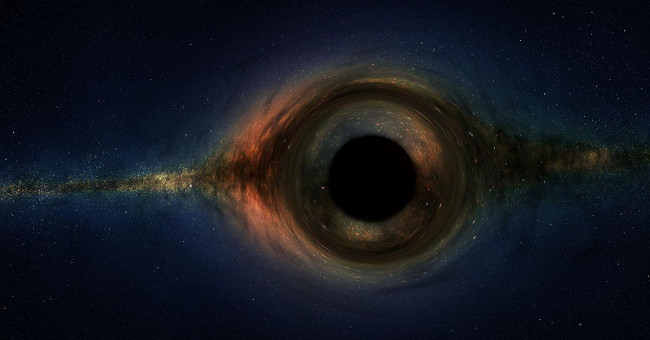
Typically, a supermassive black hole will exist at the core of a giant galaxy.
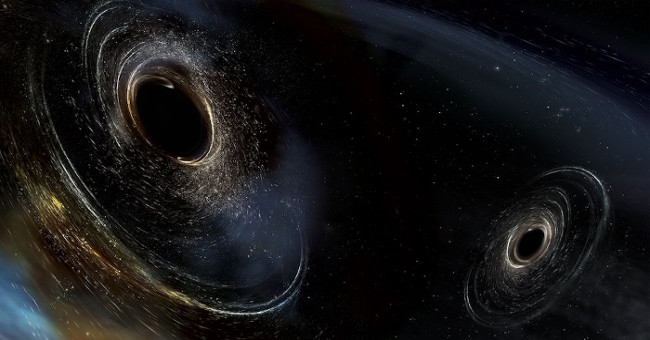
Scientists at the University of Colombia, USA discovered 12 black holes in the center of the Milky Way, or the Milky Way, AFP reported yesterday.

The new research shows that the Milky Way is expanding with new stars being born, Space reported on April 4.