Space science
Discovered newborn stars at the center of the galaxy
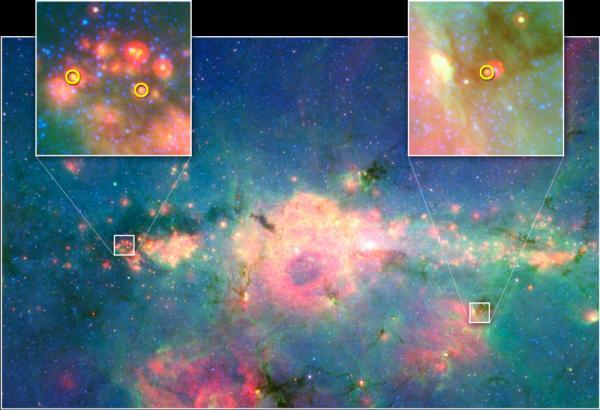
Astronomers have finally discovered newborn stars at the turbulent center of the Milky Way.
Browse ScienceInfo articles and explainers related to Milky.
356 published items.
Astronomers have finally discovered newborn stars at the turbulent center of the Milky Way.
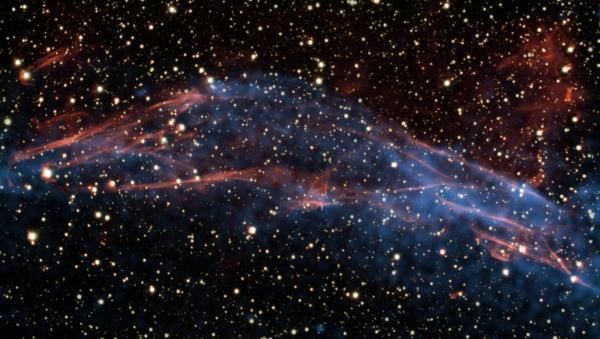
Thanks to a special study combining data from ESO's Extra Large Telescope and NASA's Chandra X-Ray Observatory, astronomers shed light on the mystery of the acceleration…
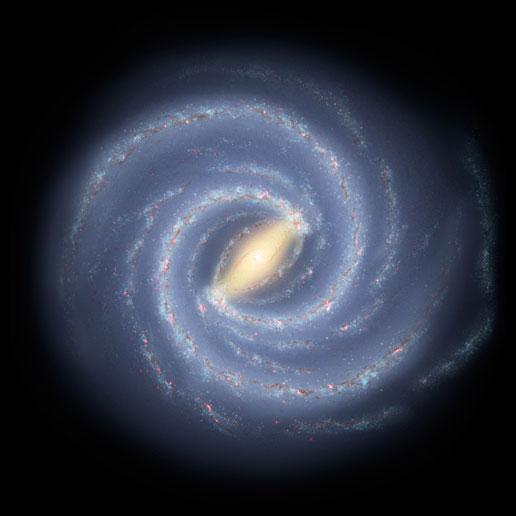
A team led by an astronomer at Indiana University has recently discovered that some large galaxies have traits that show they have just been formed.

While studying a giant cloud of gas and dust in the center of the Milky Way, German astronomers discovered it contained chemicals that make up the flavor of raspberries.
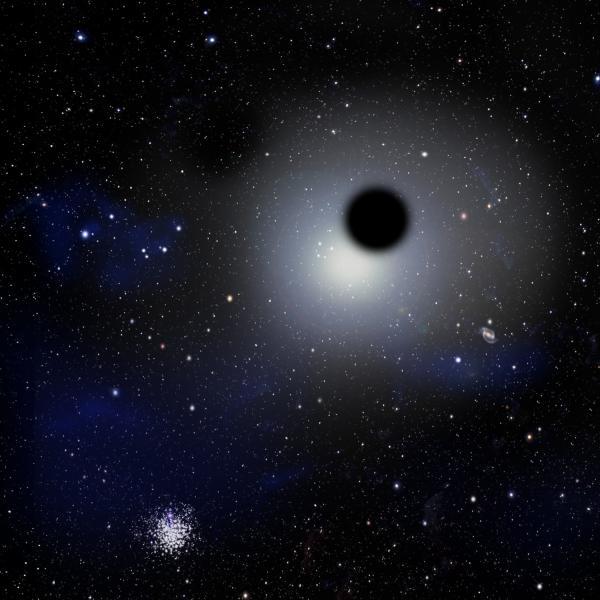
Black holes stir up our galaxy, threatening to swallow anything approaching them.
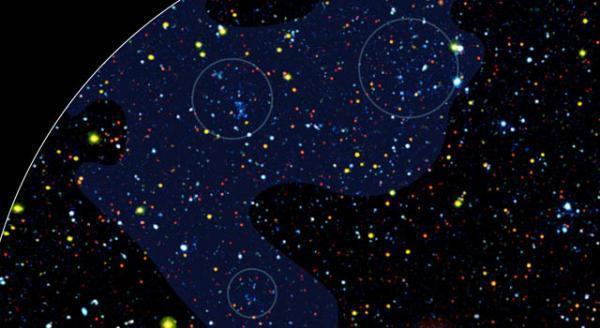
There is more than one path forming a dwarf galaxy, and NASA's Galaxy Evolution Explorer has found the new formula.
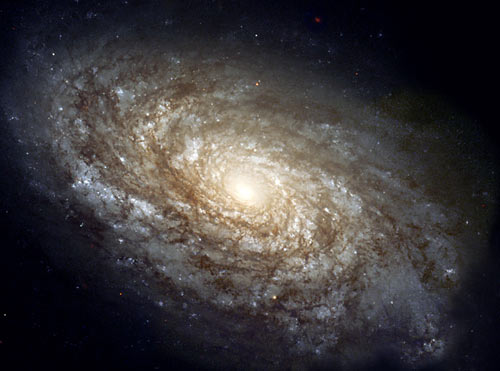
For decades, scientists believe that the galaxy - the home of the Earth - is just a child next to the neighbor Andromeda giant.
The multi-colored infrared image of our Milky Way galaxy center shows a new cluster of stars and complex structural details in the ionized gas swirling around the 300 li…

A research team developed the first complete map of the Milky Way galaxy's spiral arms.

Like ballet dancers dancing around an invisible leader, dozens of stars in the Milky Way are revolving around a supermassive black hole.
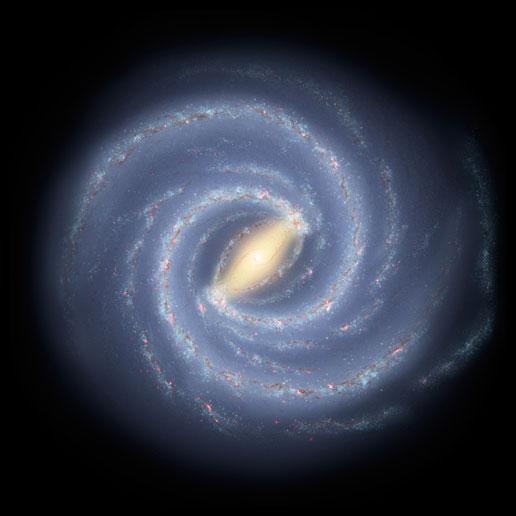
Stunning bright stars, symbols of galaxies like the Milky Way, can be fragments from violent collisions with other planets.
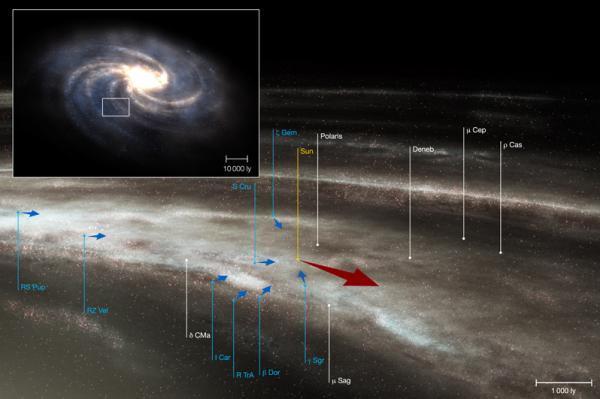
Very accurate measurements show that the Milky Way's rotation is simpler than we thought.
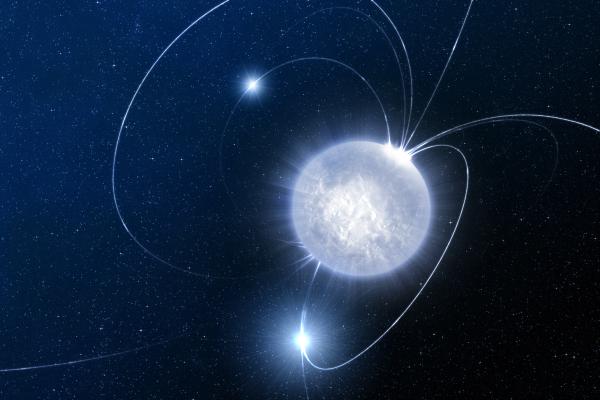
Astronomers have discovered the most bizarre cosmic object flashes 40 times before disappearing. It is possible that this is a missing link in the neutron star family, t…
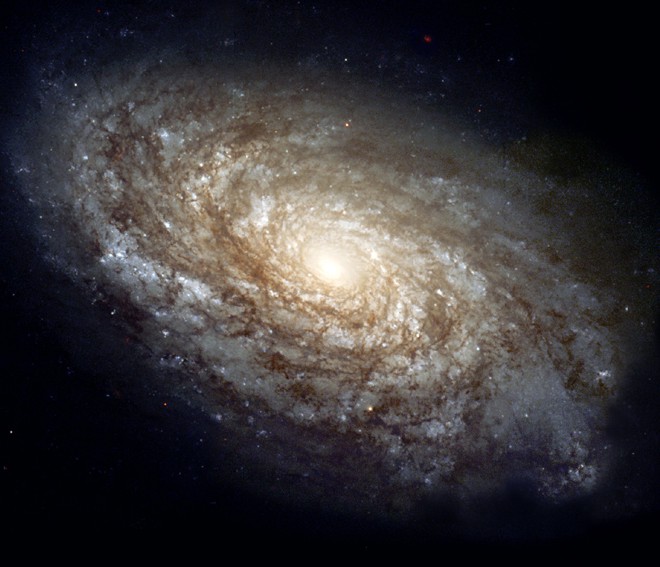
By analyzing light from small galaxies, orbiting the Milkey Way galaxy, the researchers found the minimum mass of galaxies in the universe: 10 million times the mass of…
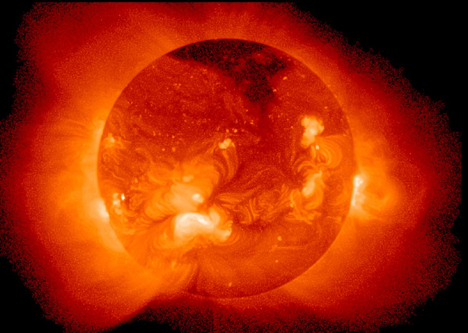
New simulations have shown at least to galaxies like the Milky Way, stars like the Sun can migrate for long distances.