Space science
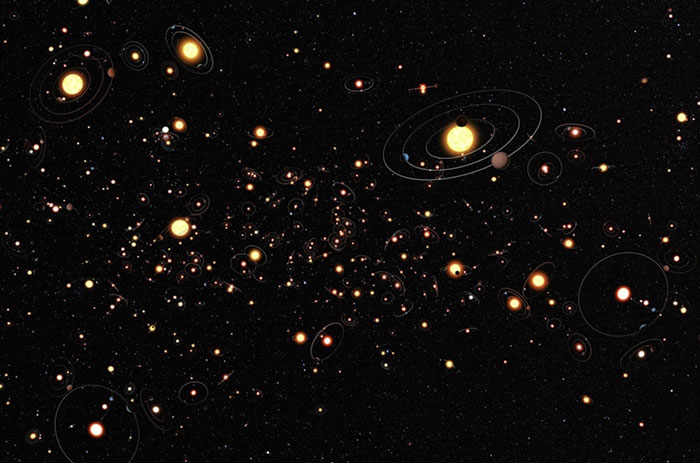
100 billion planets in the Milky Way
Our Milky Way Range has at least 100 billion planets according to a detailed statistical study based on the discovery of three extrasolar planets thanks to microlensing.
Browse ScienceInfo articles and explainers related to Milky.
356 published items.
Our Milky Way Range has at least 100 billion planets according to a detailed statistical study based on the discovery of three extrasolar planets thanks to microlensing.
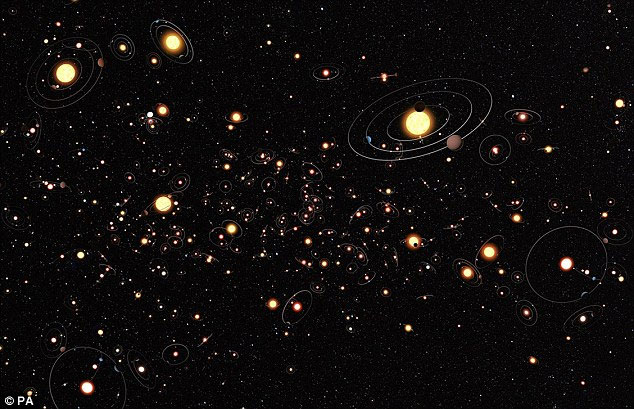
Up to 10 billion stars in the Milky Way have satellites orbiting in an orbit suitable for life.
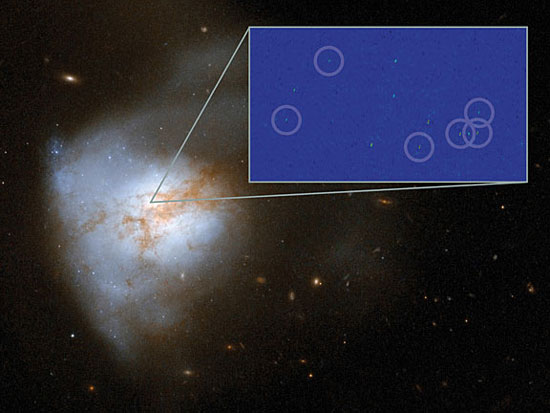
A group of astronomers at the Chalmers and Onsala Space Observatory recently discovered seven supernovae that had never before been known in a galaxy 250 million light-y…
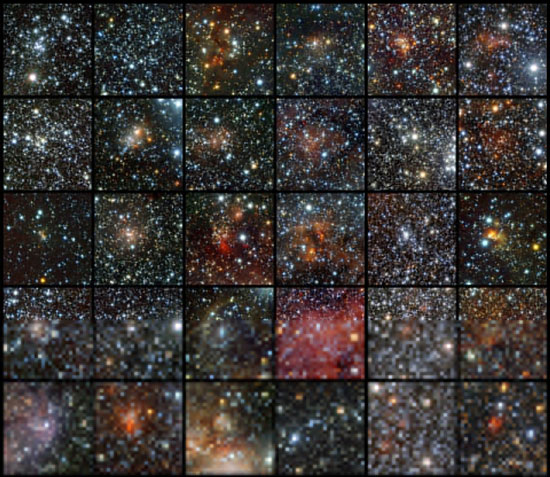
International astronomers have discovered 96 new cluster stars hidden behind dust in the Milky Way after studying data from the VISTA telescope at the Paranal Observator…
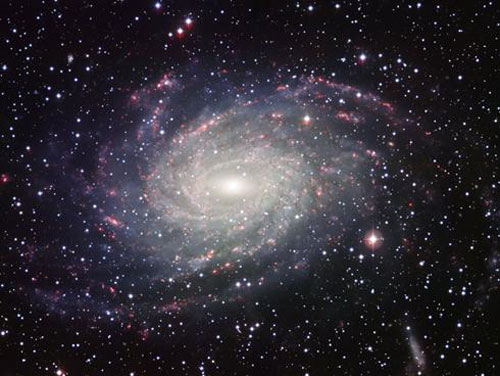
Astronomers have just announced a picture claimed to be the most beautiful ever about NGC 6744, a spiral galaxy described as human
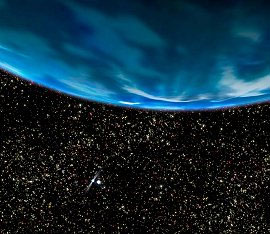
Astronomers have just discovered one
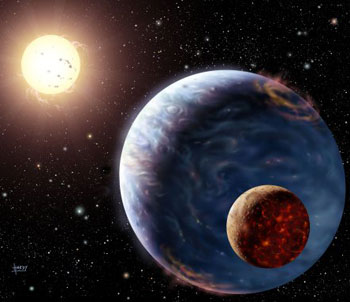
American astronomers have spent the past two years searching for the Earth-like planets most in our Milky Way and gathering them in a large-to-small sequence.
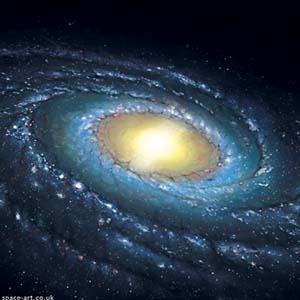
Scientists have for the first time estimated the number of planets in our galaxy and published huge numbers: There are at least 50 billion planets in the Milky Way.
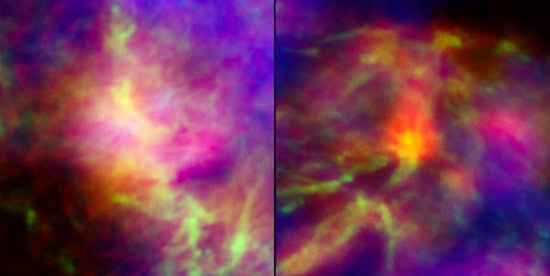
The strange mist in the Milky Way made the scientific world a headache for decades as a swirling dust cloud at a rate of more than ten billion times per second.
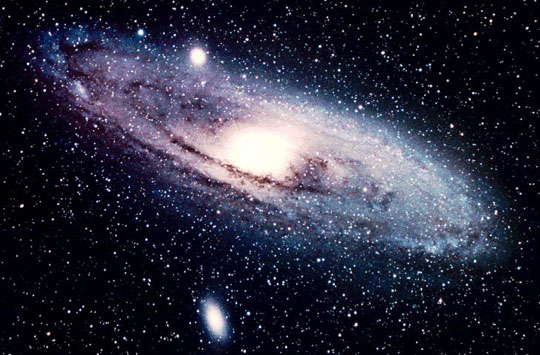
Tien Nu, a galaxy spiraling closest to the Milky Way, formed after the collision between two smaller galaxies.
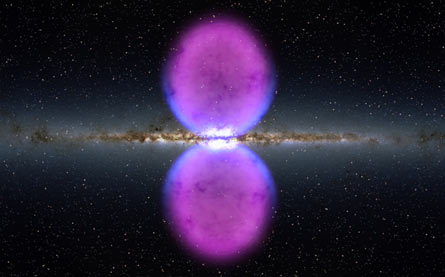
The Milky Way is blowing air bubbles into space. A twin bubble of air is blown up by gamma rays, the size of each is equivalent to the size of a small galaxy, ...
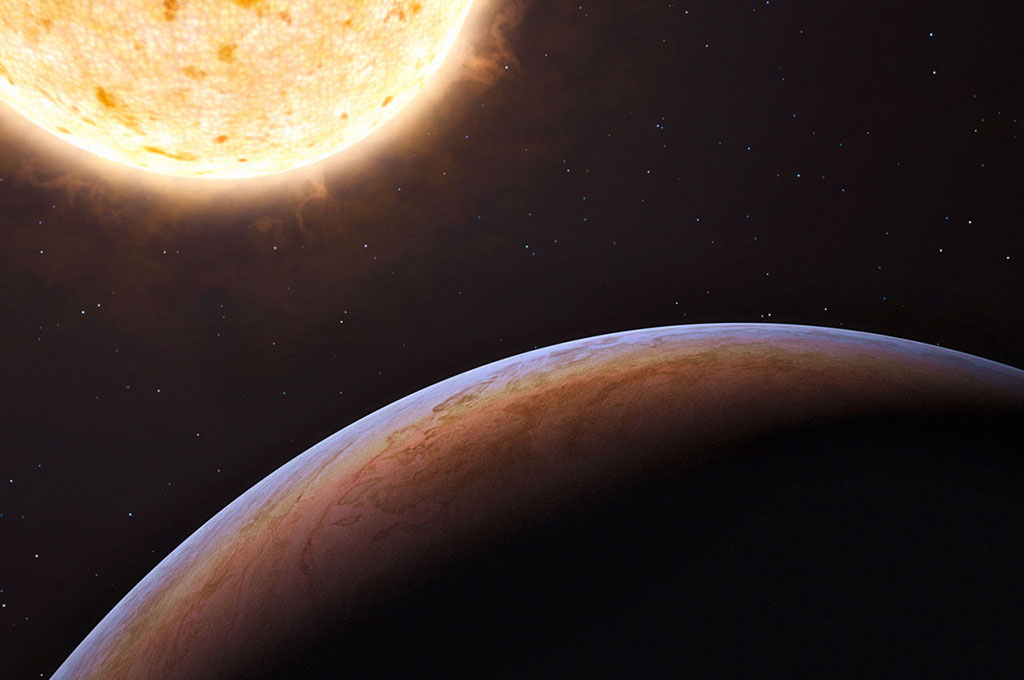
Recent world astronomers have confirmed the discovery of a strange planet, belonging to another galaxy
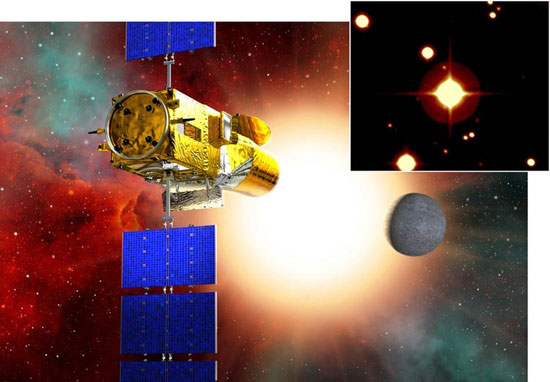
The new findings show that planets are closer or larger than the size of the earth as well as having the same earth-like composition, common throughout the Galaxy.

Two giant bubbles spew out gamma beams that appear in the center of the Milky Way and astronomers don't know where they were born.
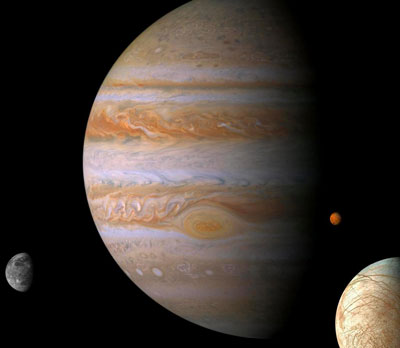
The Milky Way contains at least 46 billion planets of the same mass as Earth. That incredible amount makes the ability to find life on other planets much bigger.