Space science
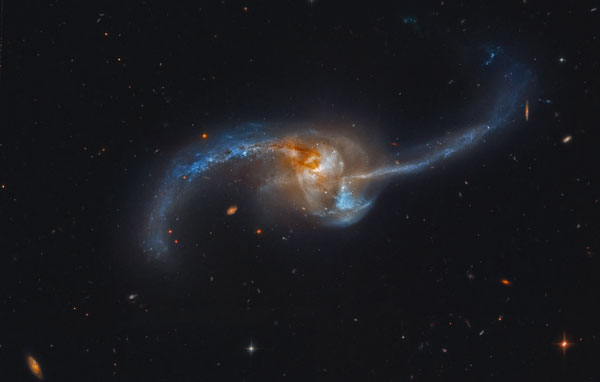
Close up of galactic conflict
Astronomers saw a pair of galaxies rushing into each other in the distant universe, a future image of the Milky Way itself for several billion years.
Browse ScienceInfo articles and explainers related to Milky.
356 published items.
Astronomers saw a pair of galaxies rushing into each other in the distant universe, a future image of the Milky Way itself for several billion years.
On October 24, Chilean astronomers said that in a research program on the Milky Way, they created an image with about 84 million stars in the center of the universe.
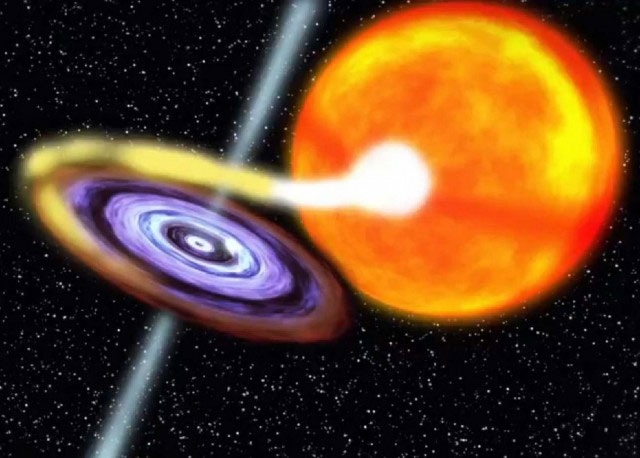
NASA said the Swift satellite had captured X-ray beams from a place near the center of the Milky Way, evidence that the existence of a previously unknown black hole.
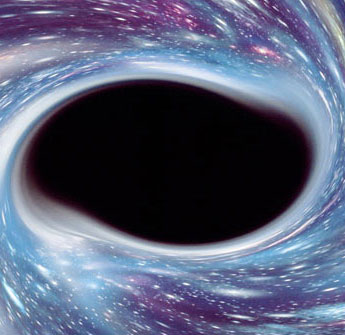
American astronomers from the University of California (Los Angeles, UCLA, USA) on October 4 found that a star with orbit moves very close to the giant black hole in the…
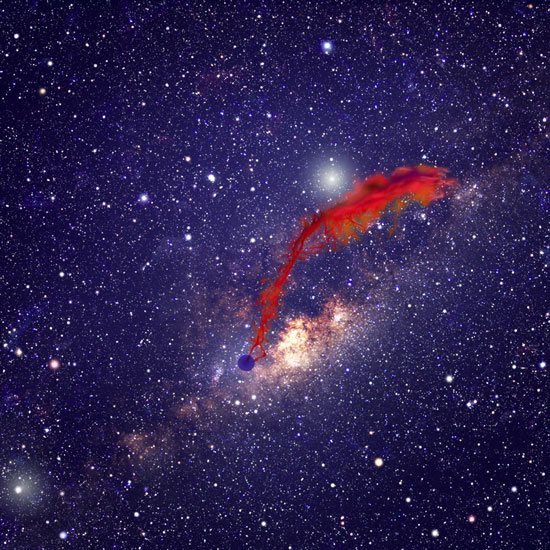
At the center of the Milky Way, the crowded stars are packed close together, supernova explosions emitting horrific shock and radiation waves, not to mention the greedy
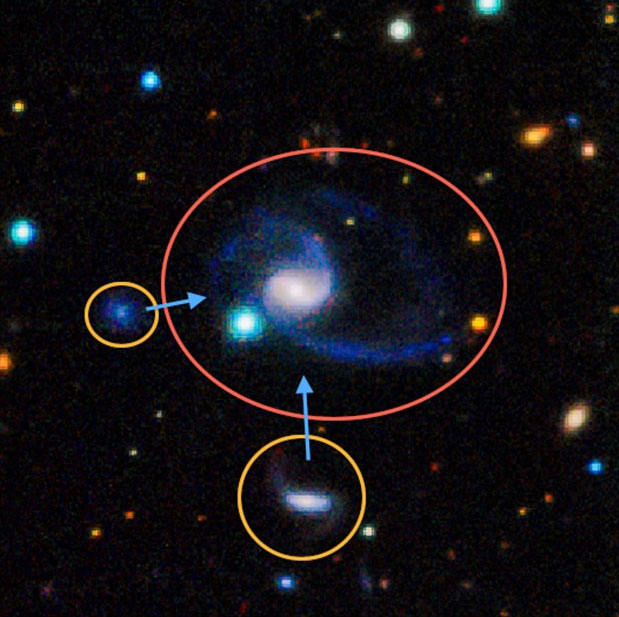
For the first time, astronomers have discovered two galaxies that are almost identical to our Milky Way galaxy.
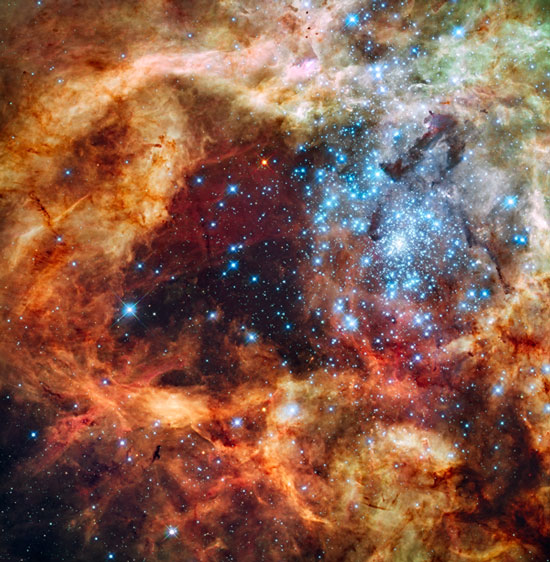
Scientists believe that the greatest secret was discovered in the universe, after the discovery of unbelievably large stars in the Milky Way's satellite galaxy.

The Hubble Space Telescope has captured images of three strange galaxies and their existence can help scientists explain one of the mysteries of the universe.
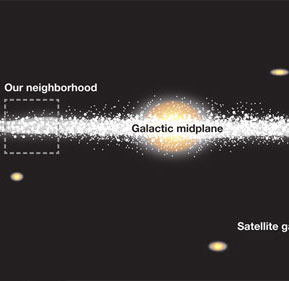
That's the conclusion of a group of Canadian and American astronomers, based on the findings that the Milky Way might have encountered a satellite galaxy or a large stru…
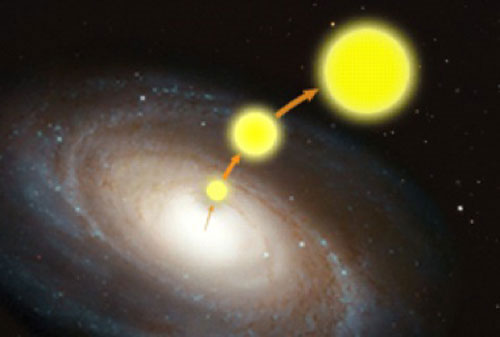
It is not easy to get a star out of its galaxy, but experts at Vanderbilt University (USA) have identified a group of more than 675 stars falling into this situation. Wa…
Seven years ago, astronomers discovered the first fleeing star from the Milky Way at a rate of about 2.4 million km / h. New research results conducted by Harvard-Smiths…
Our galaxy may contain more than 100,000 planets that move freely, not belonging to any solar system. That is the conclusion drawn from the study of planets
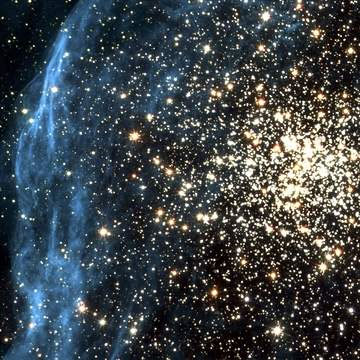
Our Milky Way series is surrounded by nearly 200 dense constellations, each with about one million stars on average. At the age of 13 billion years, these spherical cons…

Scientists are trying to find a way to protect the fragile Earth from giant meteorites roaming the Milky Way.
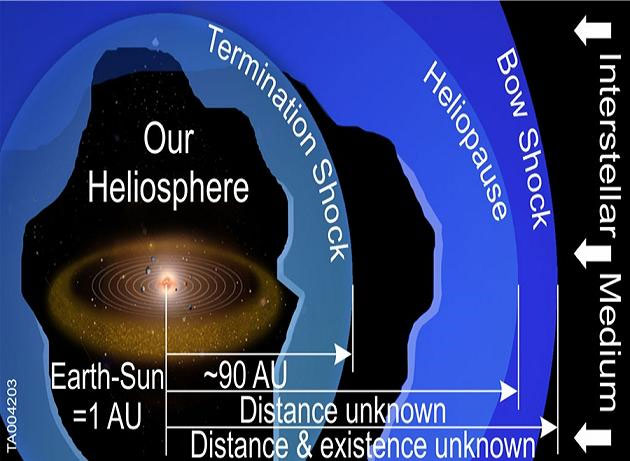
NASA's interstellar zone exploration program (IBEX) has obtained the best and most complete view ever of what is outside our solar system. New measurements provide clues…