Archeology
A new race will show up
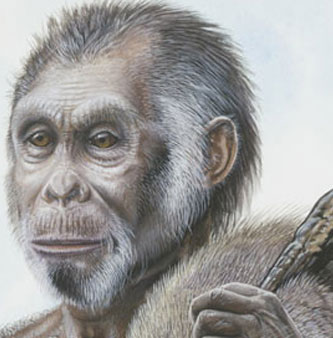
Meave Leakey, a paleontologist of Kenya's Turkana Institute, and colleagues discovered fossil bones and jaw bone of people near the Koobi Fora region in northern Kenya i…
Browse ScienceInfo articles and explainers related to Modern.
843 published items.
Meave Leakey, a paleontologist of Kenya's Turkana Institute, and colleagues discovered fossil bones and jaw bone of people near the Koobi Fora region in northern Kenya i…
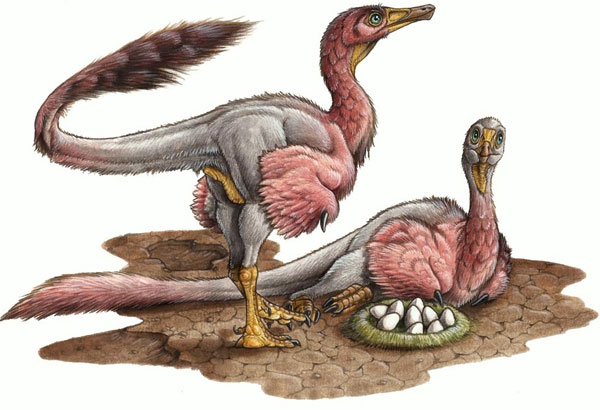
Unlike other non-feathered dinosaur eggs, which are symmetrical, oval of theropod dinosaur eggs (hindquarters moving) in the early stages of the chalk era discovered in…
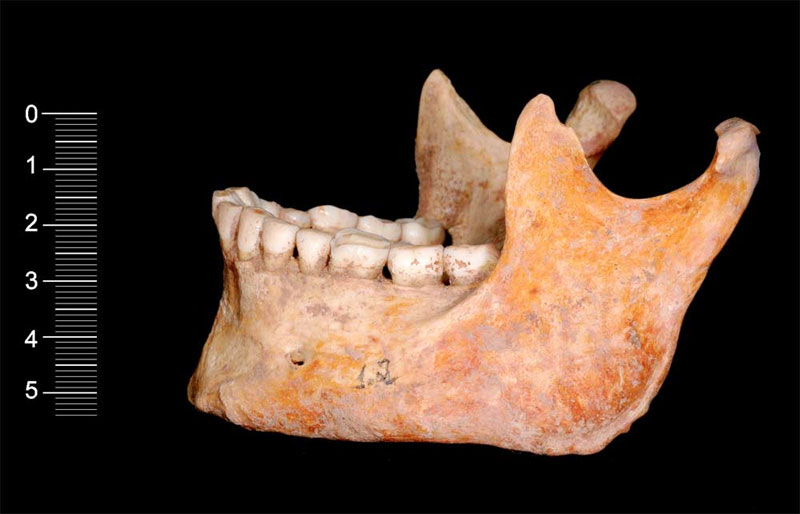
Archaeologists believe that the skulls of two caveman people were excavated in Spain containing the oldest DNA of modern humans. The remains were found by accident in 20…
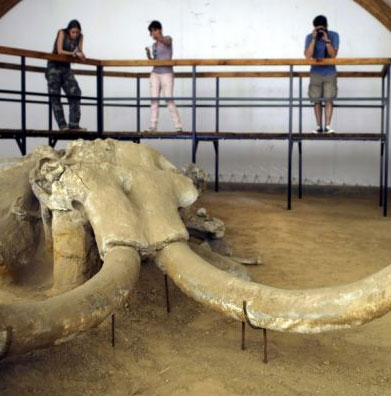
Archaeologists have recently discovered an area with skeletons of at least five rare-feathered mammoths. Researchers believe that the mammoth mammoths associated with th…

Professor Tom Higham, a researcher at Oxford University in England, and colleagues discovered two ancient flutes in the Geissenkloesterle cave in the Swabian Jura mounta…
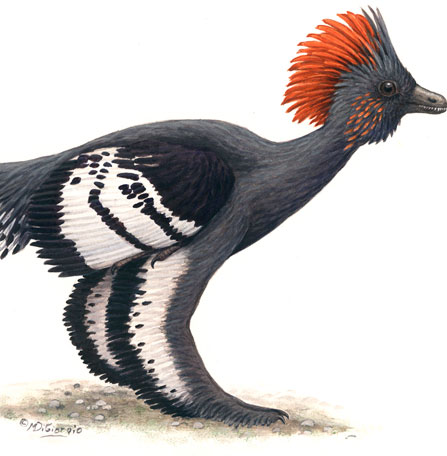
The first two authors of this study, Associate Professor Arkhat Abzhanov - an evolutionary biologist at Harvard University and Dr. Bhart Anjan Bhullar, found evidence th…
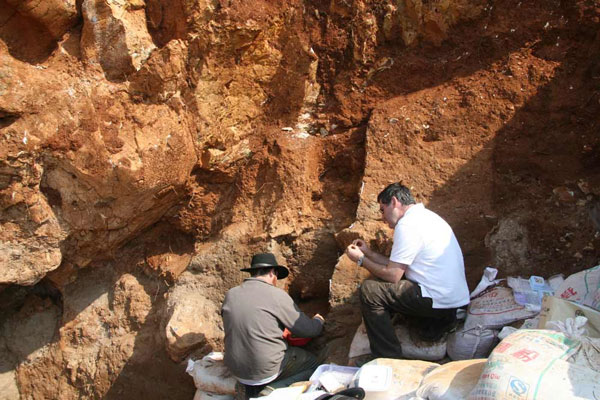
The strange fossil bones that scientists found in southern China may be the remains of a new strain who lived with modern people more than 11,000 years ago.
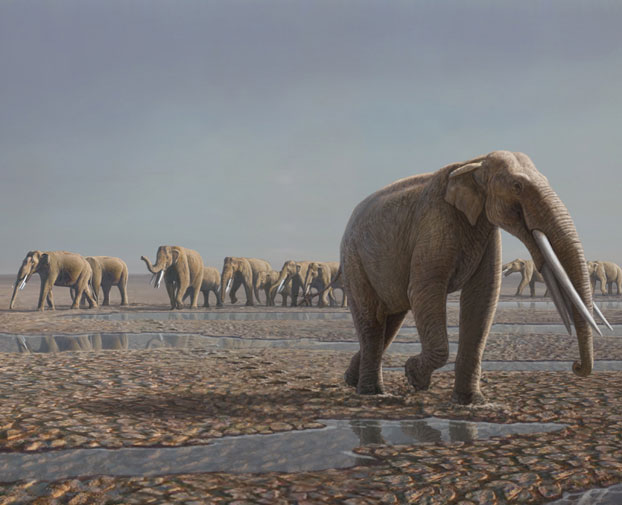
The world's oldest elephant footprints recently discovered in the Arab desert date back to 7 million years old. More specifically, these prehistoric elephant footprints…
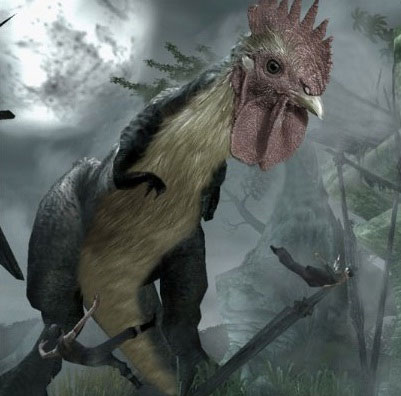
Jack Horner, curator of the paleontological museum at the Rockies Museum, said he and some colleagues are trying to create dinosaurs from chickens.
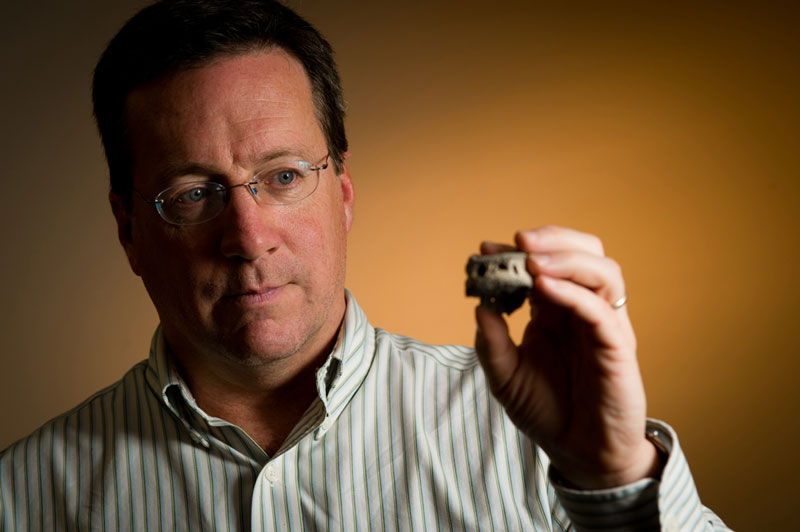
US scientists on January 3 published research on medieval bones found in Albania, showing some traces of the disease spread in modern times, causing pain to those who ea…
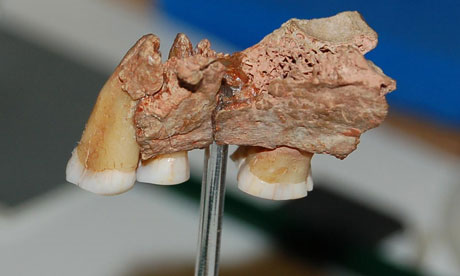
The jaw fragment was found in a prehistoric cave in Torquay, the earliest evidence to show the emergence of modern humans in northwestern Europe, the scientists said.

Karabo lived nearly two million years ago, probably our first ancestor and was
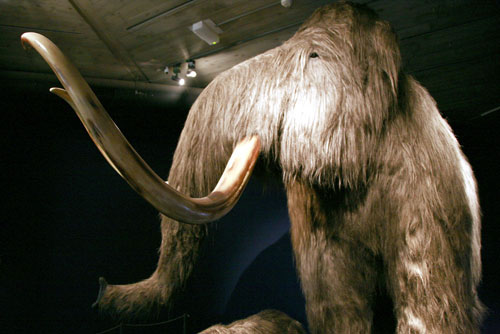
Prehistoric mammoth DNA is helping scientists develop artificial blood products for modern medicine.
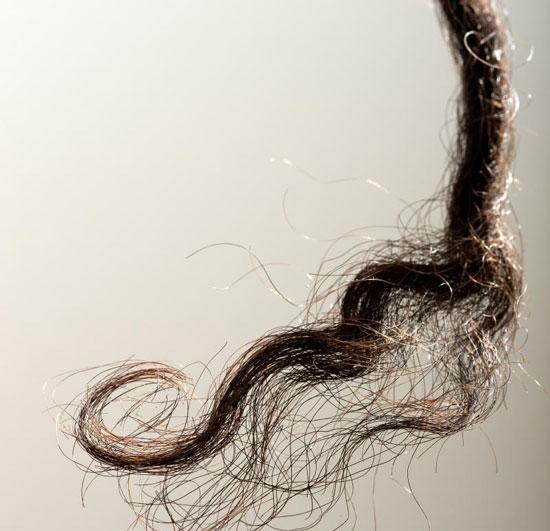
The study also revealed that the ancestors of Australian aborigines were separated from the world's first modern humans leaving Africa.
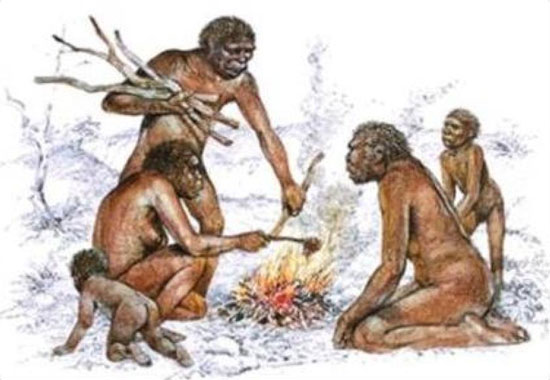
New evidence shows that human ancestors started cooking about 1.9 million years ago, and this finding also explains the structure of the teeth and intestines of modern p…