
Biology
What Is Neuroscience and How Does the Brain Work?
Neuroscience is the study of the nervous system—from molecules and individual neurons to circuits, behavior and cognition—and the brain works by coordinating electrical…
Browse ScienceInfo articles and explainers related to Molecule.
513 published items.
Neuroscience is the study of the nervous system—from molecules and individual neurons to circuits, behavior and cognition—and the brain works by coordinating electrical…
Exoplanet atmospheres can reveal molecules, temperatures, clouds, circulation and clues to a planet’s formation, climate and possible habitability by imprinting chemical…
AI can help drug researchers search chemical space, identify targets, predict molecular properties, design candidate molecules, and prioritize experiments, but laborator…
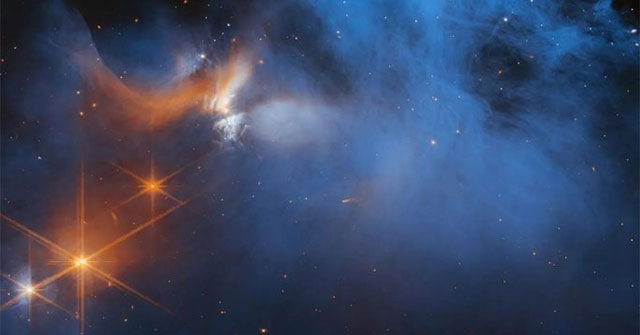
The James Webb Space Telescope has set a new record by observing and collecting surprising indicators of cold ice at the extreme depths of the Chameleon I molecular clou…
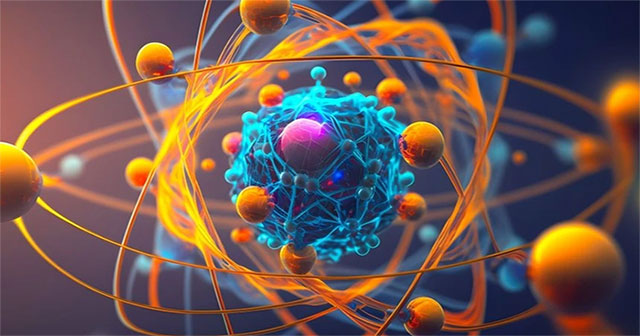
The image of the smallest chemical element has finally been captured by scientists using X-rays.
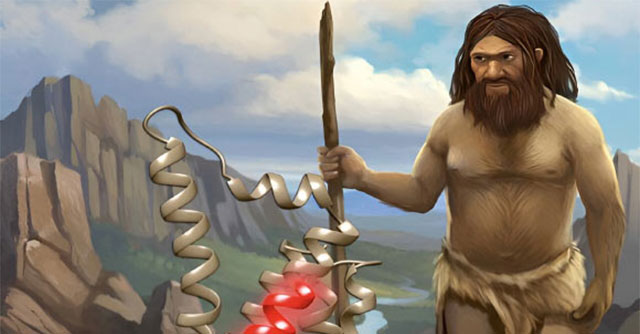
The team of scientists studied the protein expressions of two extinct human species, Neanderthals and Denisovans, and found dozens of small protein chains with antibioti…
Today we can easily say that life began with microorganisms. But what must have come before the first microorganisms?
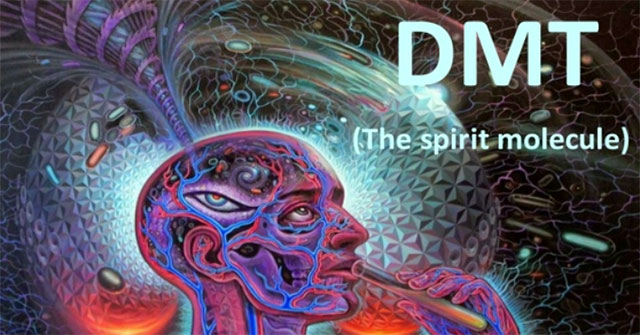
Recently, the use of psychedelics to achieve some strange experiences and feelings is gradually becoming a trend among young people.
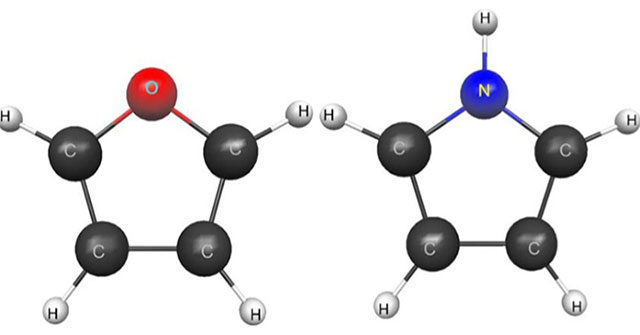
For thousands of years, mankind has had to go through a series of steps to change a single atom in a molecule. But now, that's all going to change!
Researchers at the University of Tokyo have found a new direction in the fight against cancer using artificial DNA.
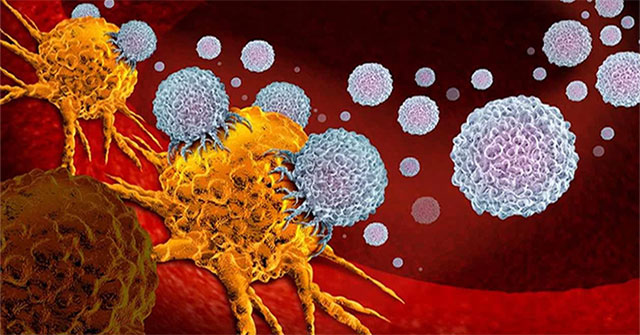
Scientists have made a major discovery about DNA that could provide more information about one of the most deadly cancers.

Life on Earth is believed to have originated about 4 billion years ago, but until now scientists still do not have accurate evidence of the origin that promoted life.
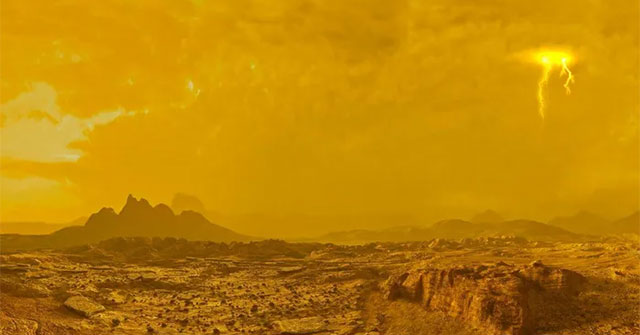
Do you really understand the future of Earth? Our planetary neighbor gives us a glimpse of what could happen to Earth if climate change goes unchecked.
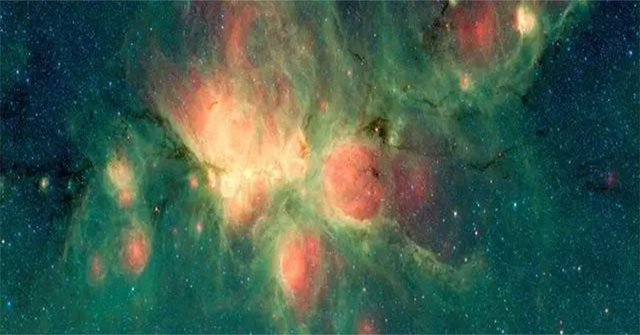
The Cat's Paw Nebula is one
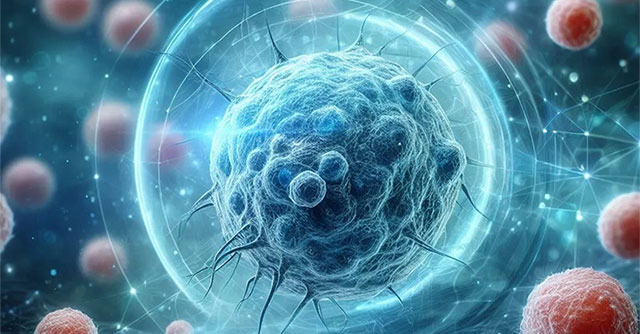
American scientists destroyed cancer cells in the laboratory with a special vibrating molecule, stimulated with near-infrared light.