Cancer
Found a way to kill 99% of cancer cells
Scientists in the US have just found a method to kill cancer cells by using near-infrared light to stimulate molecules, causing them to vibrate.
Browse ScienceInfo articles and explainers related to Molecule.
513 published items.
Scientists in the US have just found a method to kill cancer cells by using near-infrared light to stimulate molecules, causing them to vibrate.
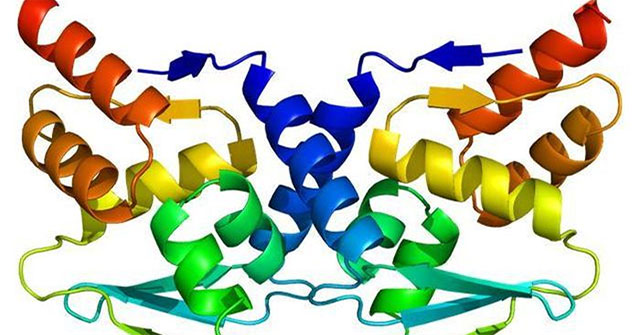
A team at Stanford has invented a strange new molecule that could lead to drugs that turn on genes and cause cancers to fight themselves.
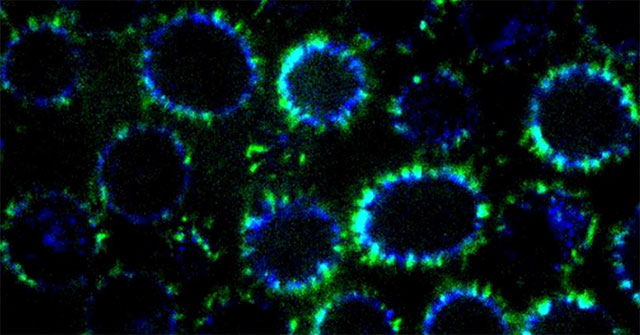
Researchers create nanotubes that don't leak, don't clog, and could deliver drugs in the future.
Engineers at the University of Vienna have developed a new composite material that creates an effective filter for removing organic pollutants from water.
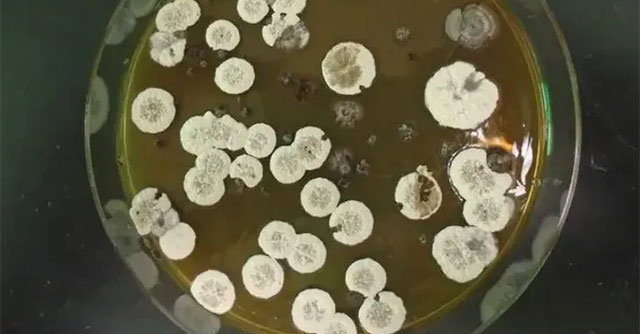
A team of researchers at Lawrence Berkeley National Laboratory has successfully harvested alternative jet fuel from commonly found species of soil bacteria in the genus…
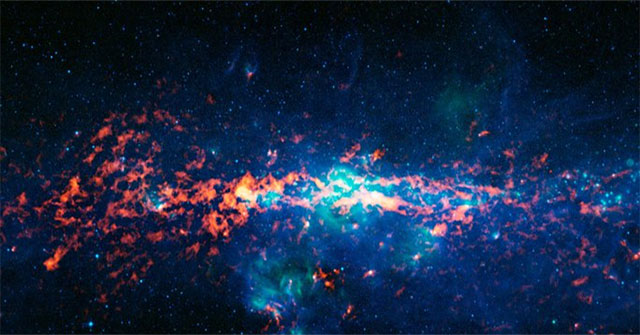
US scientists have identified the largest alcohol molecules in the universe, which could be crucial in stellar nurseries.

Your eyes can itch because harmful oxygen molecules side effect damage the corneal cells and long-term sleep deprivation leads to corneal cell death.

Soap is a familiar item when we wash our hands or when we want to clean our body.

If you are a person who loves to eat grilled chicken, grilled salmon, but in a hurry or when you are hungry, it only takes a few minutes to cook it in the microwave, but…
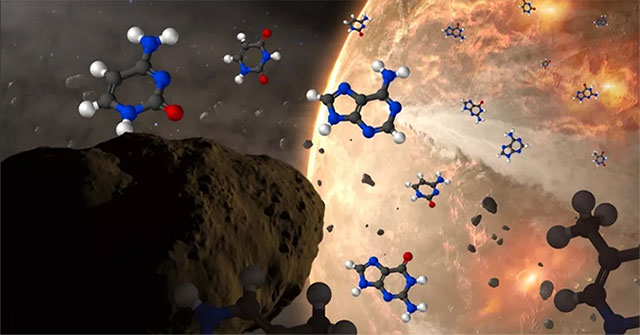
Scientists claim the key 'genetic letters' of life on Earth can be found in space rocks.
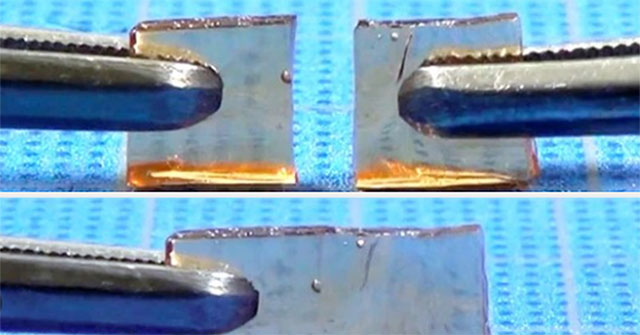
Japanese scientists have found a way to make plastic that can heal itself at room temperature, which can be used to make smartphone screens and other products.
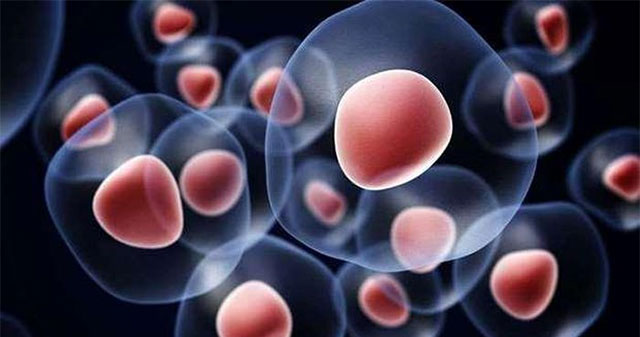
Chinese scientists have transformed human somatic cells back into pluripotent stem cells using chemical molecules.

Gases are usually composed of atoms or molecules that swirl more or less rapidly through space.
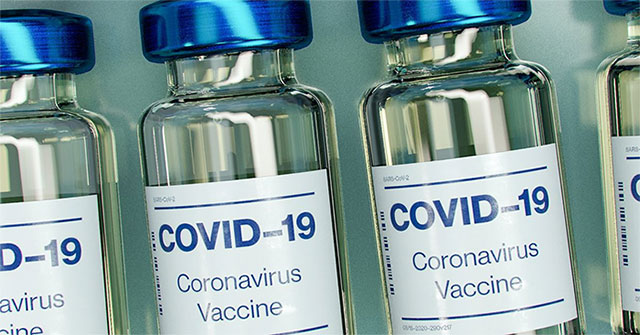
The new vaccine is prepared by mRNA technology, promising to create a breakthrough revolution.

A machine learning model using artificial intelligence (AI) technology has generated more than 40,000 virtual molecules that can be used to create chemical weapons