Discover science
Found the biggest building block of life, about to land on a new planet
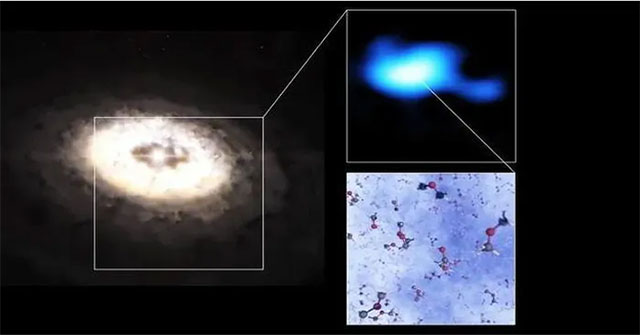
The largest molecule found in a disk of dust and gas orbiting a small star has been identified. It is a building block of life.
Browse ScienceInfo articles and explainers related to Molecule.
513 published items.
The largest molecule found in a disk of dust and gas orbiting a small star has been identified. It is a building block of life.
X (3872) is a short-lived matter particle that was recently revived in Switzerland.
Known as the 'poor man's fireworks,' Dashuhua is a 500-year-old firework ritual used in Nuanquan, China, to celebrate the Lunar New Year. For their new achievement, they…
International scientists in Denmark, the UK and Canada have now been able to collect and analyze DNA - the molecule containing genetic material and genes - extracted fro…
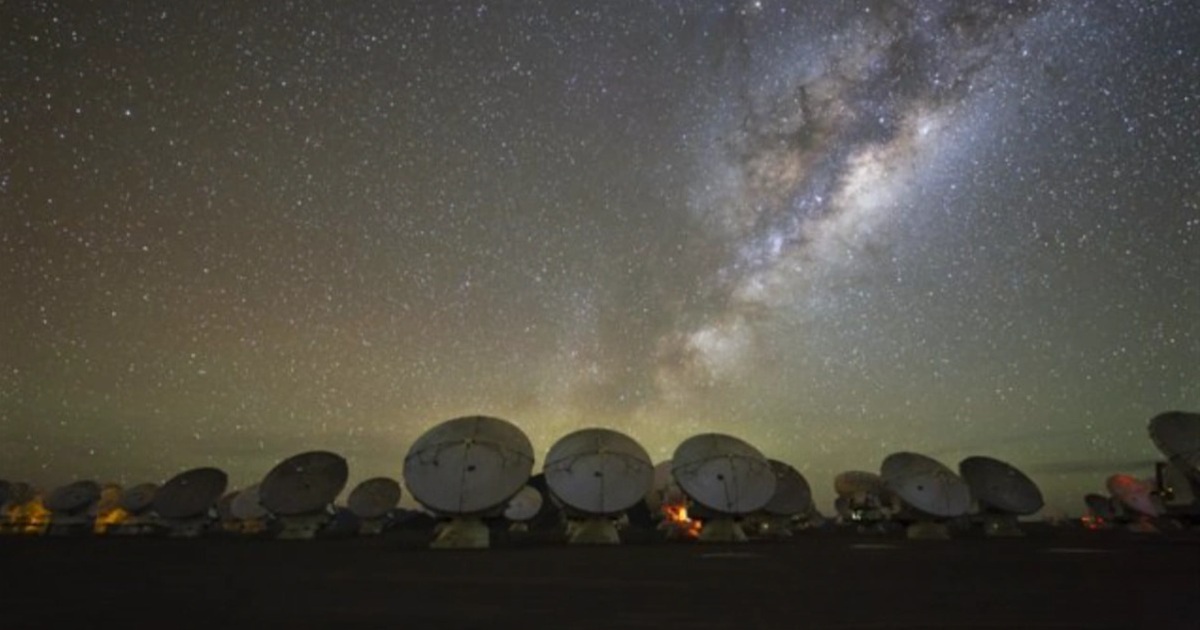
Scientists have found signs of water in a galaxy about 12.8 billion light-years from Earth, the furthest place ever found.

US scientists have developed a new drug capable of promoting cell regeneration, reversing paralysis in mice with spinal injuries.
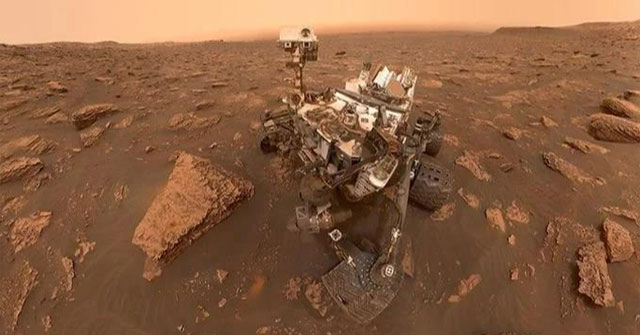
A new technique performed by Martian warrior Curiostiy has helped uncover traces of the previously unknown building blocks of life on this mysterious planet.
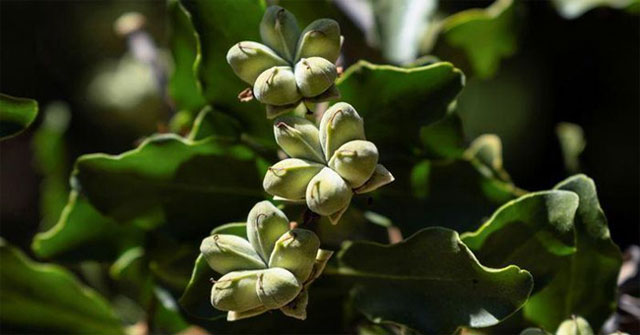
With a new Covid-19 vaccine made from Chile's rare quillay tree, Novavax plans to produce billions of doses of vaccine for countries around the world in the near future.

Swedish scientists have found a new way to kill malaria-causing mosquitoes by tricking them into sucking up poisoned sweet radish juice.
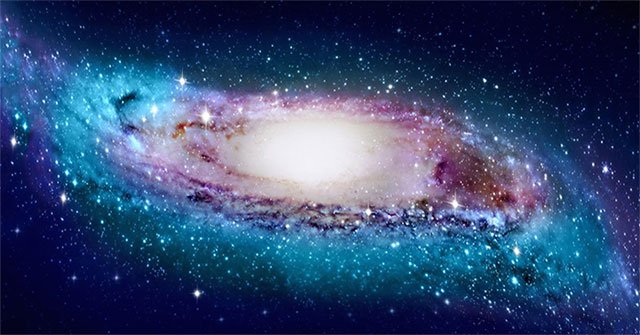
What are the secrets that we still don't know?

According to researchers from Tel Aviv University, the electricity generated from the interaction between water and metal molecules can be used as an abundant and readil…

Naturally dried clothes have a special aroma, there are even poems about it, or manufacturers are trying to create similar scents to be added to candles and room aromati…

In addition to traditional clean energy sources, scientists have researched and proved that many new sources of energy could be the trend in the future.
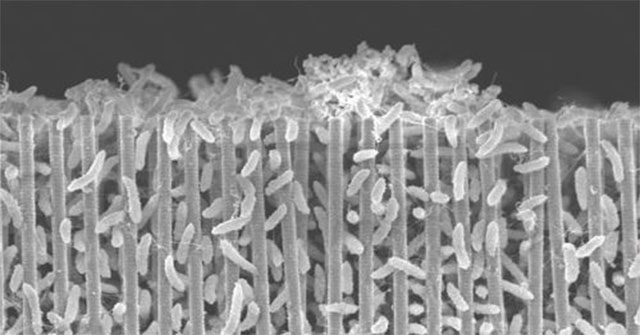
Scientists from the University of California have built a nano power plant that uses sunlight to turn carbon dioxide and water into new organic molecules.

Manzamine A, a natural product derived from certain groups of sponges, is thought to prevent the growth of cervical cancer cells.