Discover science
For the first time, seeing carbon can bond with 6 other atoms
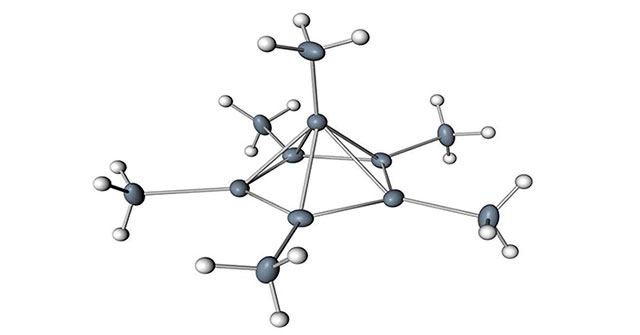
A pyramid-shaped carbon molecule has just been studied for the first time and the special thing is that it's not like what we have learned in basic chemical programming.
Browse ScienceInfo articles and explainers related to Molecule.
513 published items.
A pyramid-shaped carbon molecule has just been studied for the first time and the special thing is that it's not like what we have learned in basic chemical programming.
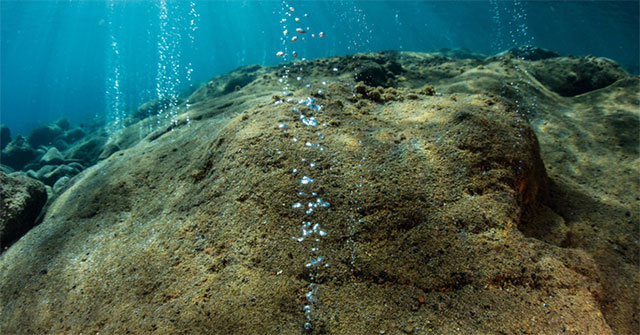
Nestled in the deep sea, the witch of nature - the element that turns chaotic precursor molecules into the building blocks of life - still exists today.

British scientists have identified 110 molecules, mostly in vegetables, that can fight cancer.

Scientists at Brown University in the US have found a way to encode and decode images, not by microchips, but by small molecules, with an accuracy of 99.5%.
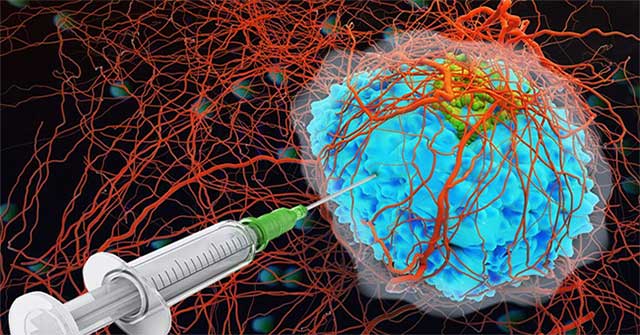
US scientists have identified a lumican protein molecule that can bind chemicals that kill cells into cancer tissue, opening up the possibility of developing a low-toxic…
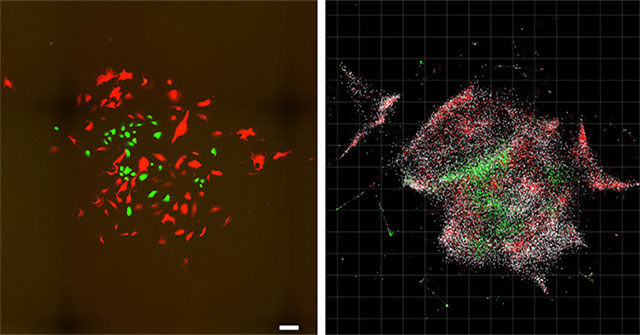
According to a new study, the method of opening the door to this unprecedented look inside living cells - called DNA microscopes - has been completed over a period of si…
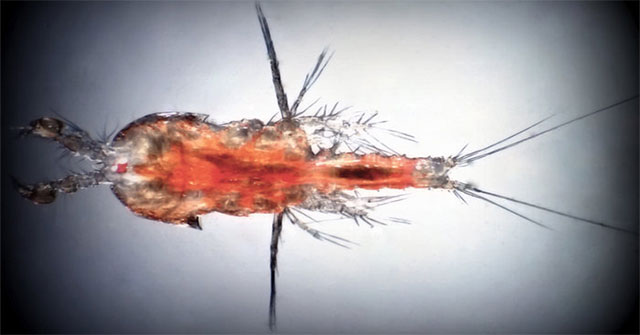
Crustaceans belonging to the genus Tigriopus californicus, without gills to breathe or oxygen-bearing molecules like hemoglobin, have a new mechanism to fight low levels…

Saliva provides the fluid environment needed to bind food molecules to the tongue taste.
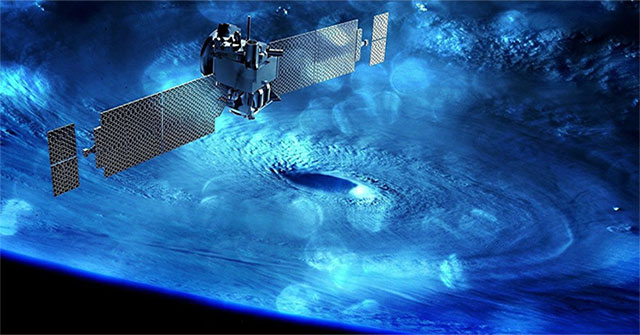
On Earth, water molecules stick to tiny sea salt particles or dust blowing into the air to form white clouds.

A promising solution, showing the human ability to travel space is completely grounded.
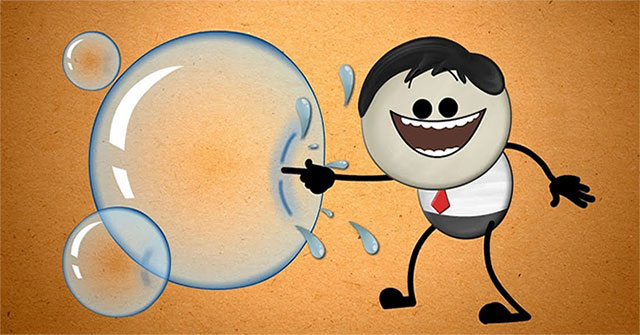
Water evaporates from the covering membrane, causing soap bubbles to explode even when no external forces are present.
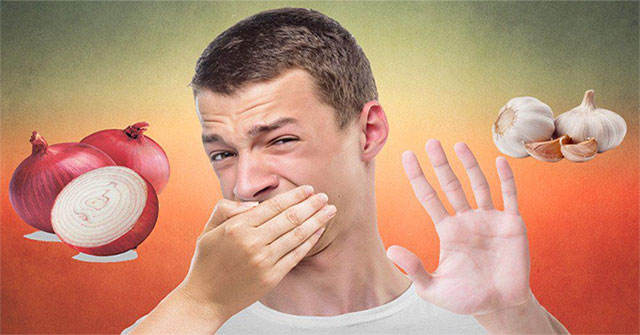
Garlic processed or eaten raw goes into the gastrointestinal tract when escaping the odor through the breath will no longer 'smell' like the original. More importantly,…
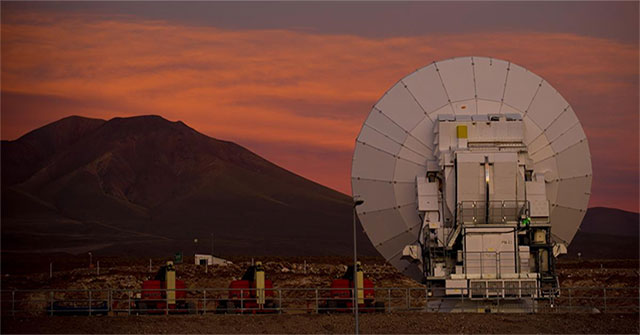
A team of scientific researchers have announced for the first time the aluminum-containing molecule around a young star thanks to the antennas of the ALMA telescope.

According to the British Cancer Research Institute, this drug slows or blocks the growth of cancer cells.
The tension of the water surface and the small weight of insects allow them to travel on water without sinking.