Space science
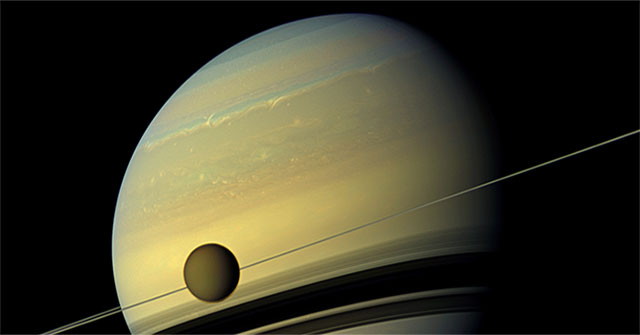
Announcing the first geological map on Saturn's Titan satellite
The map shows that the Titan has lots of plains and mounds, including frozen organic matter and many liquid methane reservoirs.
Browse ScienceInfo articles and explainers related to Mound.
53 published items.
The map shows that the Titan has lots of plains and mounds, including frozen organic matter and many liquid methane reservoirs.
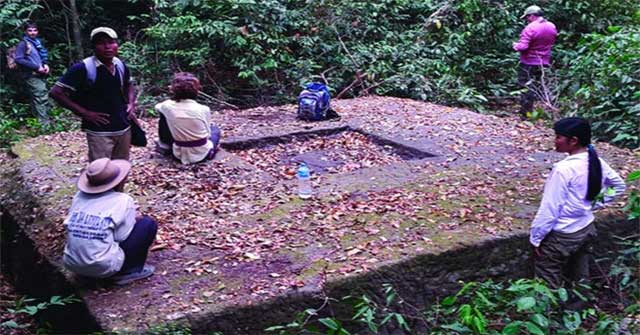
Archaeologists have discovered Mahendraparvata city deep in the jungle of Cambodia.
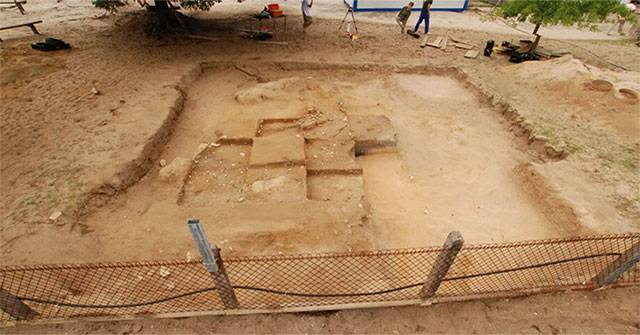
a group of students in the town of Saint-Laurent-Médoc, Gironde province in the region of Aquitaine in southwestern France, accidentally digging some old bones in the ki…
Recently, scientists have proposed a new hypothesis that explains why death pits continuously appear in Siberia. The Siberian death zone has been constantly appearing fo…
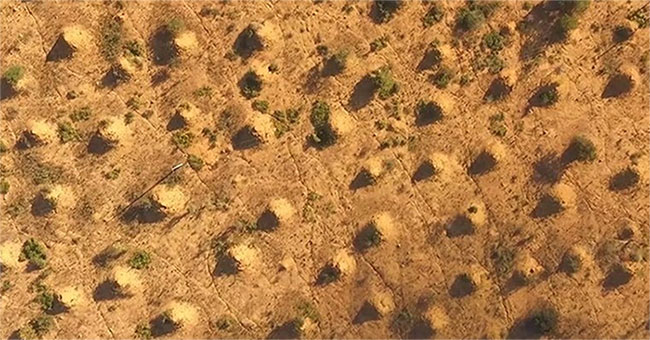
A giant super-nest spread across large areas of England was built from 3,820 years ago and still exists today, the Independent on November 19 reported.
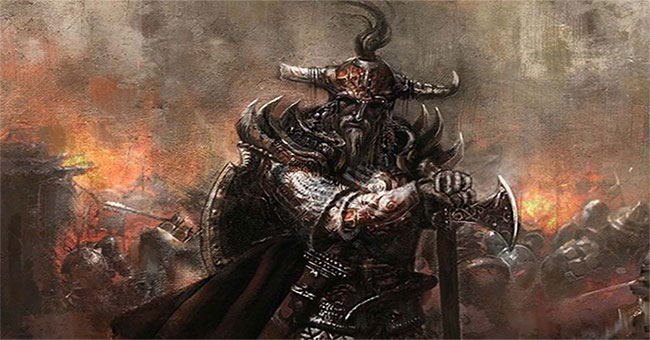
In the grueling battle with King Harald Fairhair, King Herlaug was defeated. However, instead of surrendering to the enemy and renouncing the kingship, King Herlaug and…

Women's breasts are also called beautifully, double mountain, pair of pears or double mounds of islands are 'weapons' of women.
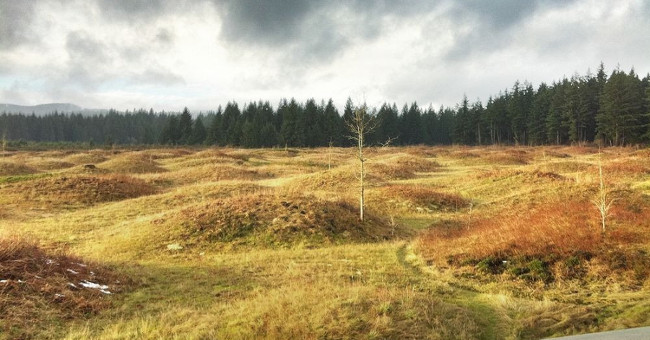
No one has found the reason why thousands of earth mushrooms rise like giant bubble wrap.

In 1960, Cheliwa archaeologist came to this small island to excavate the sites. He discovered something unimaginable, that is, on the three ancient sites in the middle,…
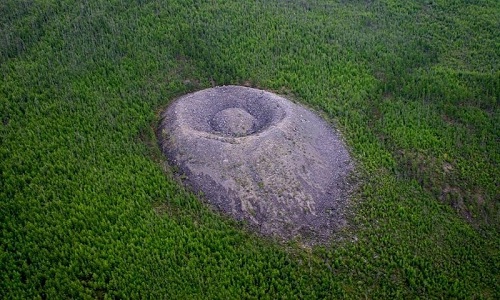
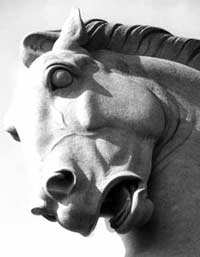
On the slopes of Ufentbao in the Bershire region of England, there is a White Horse-shaped reliefs written in 200 BC. This white horse is 100m long, 40m high, the horse'…

New strange geological phenomena have just been discovered on Mars to surprise scientists.

The army of spider crabs crawled along the sea floor to the waters of Mornington Bay in Victoria, Australia when winter came, Sun yesterday reported.
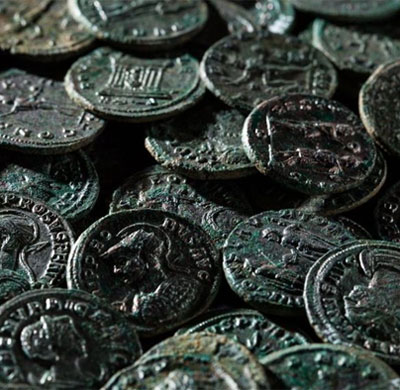
A Swiss farmer saw the glittering light from the mound in the cherry garden and suddenly spotted 4,166 Roman and bronze coins.
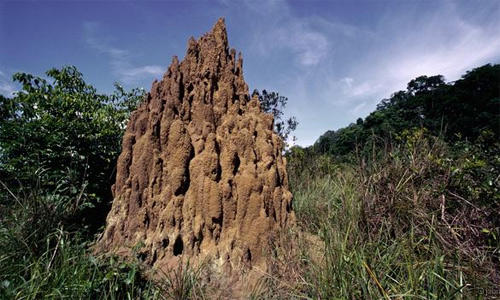
A giant 2,000-year-old giant termite nest discovered in Africa is the oldest termite mound on Earth and is proof that insects can live in a house for thousands of years.