Oceanography
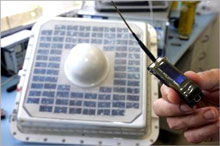
Using Argos pepper piles tracks humpback whales
Approximately 15 stakes of Argos pepper will be placed on the backs of humpback whales in order to understand their movement to the waters of New Caledonia in the winter.
Browse ScienceInfo articles and explainers related to Movement.
671 published items.
Approximately 15 stakes of Argos pepper will be placed on the backs of humpback whales in order to understand their movement to the waters of New Caledonia in the winter.

Archaeologists and conservation experts around the world discussed the safe movement of the treasures of Pharaoh Tutankhamun to a new location in Cairo, Egypt.

Found in the Dresden Stock, the most ancient text in America, the Venus Table shows us how much Maya has improved.

Study the movement of ancient herds of bulls to give a clue about the first people to live in the Americas.
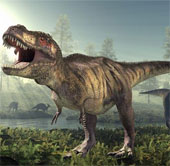
Scientists have added a fake tail to the chicken to learn about the movement of this carnivorous dinosaur.
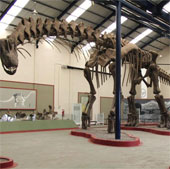
British scientists say they have used computers to reproduce ancient dinosaur steps for the first time by sweeping fossil bones nearly 40 meters long.
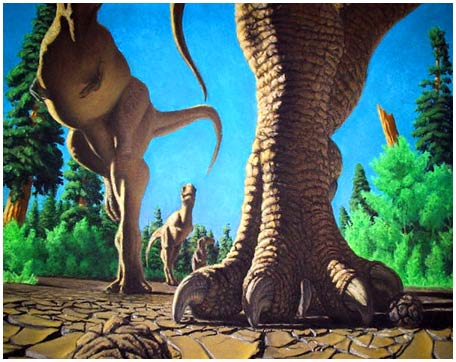
The familiar image of carnivorous predators rushing into prey is actually fiction, a new study reveals. Computer models show that this horrifying dinosaur is actually ju…
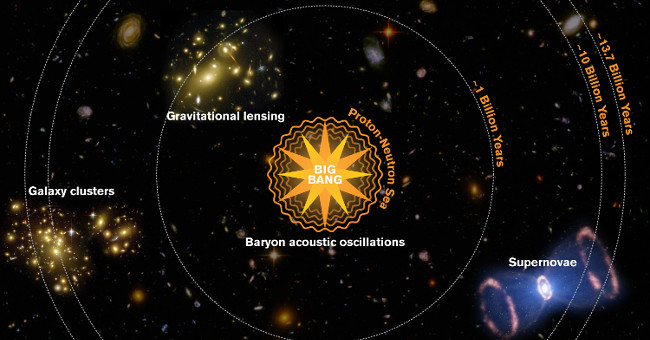
Dark matter was first discovered in 1933, when scientists believed that limiting to visible matter could not explain the movement of stars and galaxies.
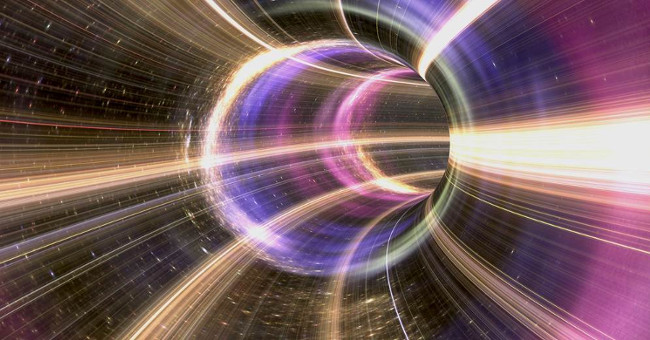
According to Einstein's special theory of relativity, the only three dimensions of time and dimension are closely related, said Paul Sutter, an astrophysicist at Ohio St…
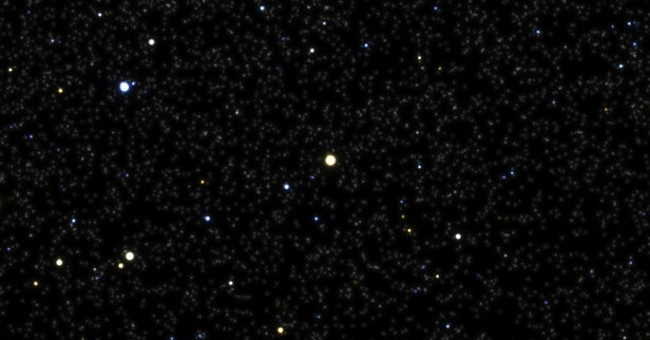
ESA used data from Gaia satellites to track the movement of more than 300,000 stars near the Sun as well as predict their fate for another 5 million years.
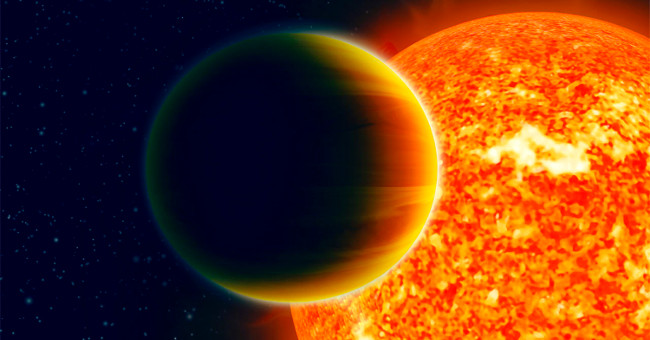
The largest planet in the solar system does not revolve around the sun as we thought, but moves around a point above this star.
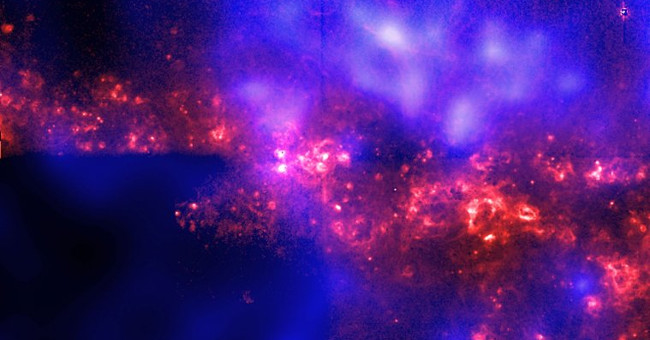
A mysterious space is pushing the Milky Way to move in the universe at more than 2 million km / h.

British scientists calculate in the future, a day on Earth will be 25 hours long because the rotation speed around the planet's axis is getting slower and slower.

The stars that blink continuously in the night sky are due to the light emitted from them being refracted many times as they pass through the Earth's atmosphere.
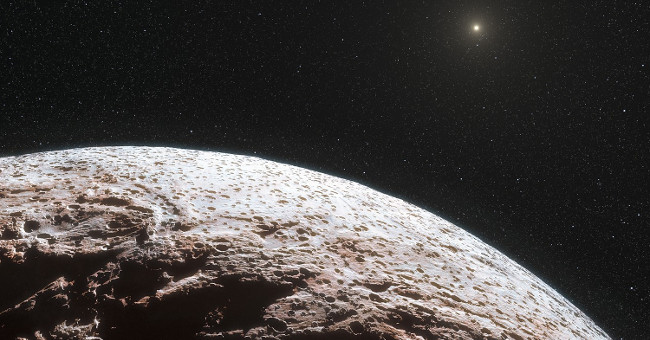
Recently astronomers have discovered a strange object orbit around the Sun, but turned towards the remaining planets.