Animal world
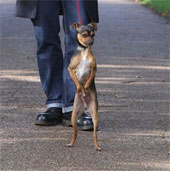
Incredibly, the dog likes to walk on both feet because he wants to make weasels
Due to the bizarre hind legs movement, the dog Denzil nicknamed Meerkat (weasel originated in South Africa).
Browse ScienceInfo articles and explainers related to Movement.
671 published items.
Due to the bizarre hind legs movement, the dog Denzil nicknamed Meerkat (weasel originated in South Africa).
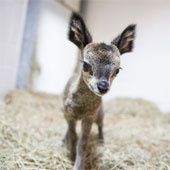
The tiny wildebeest are native to Africa, have an average weight of 10kg and a maximum height of about 50cm, only half of the other antelope.

Researchers have discovered crocodiles are animals capable of
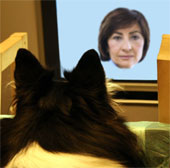
Research by Finnish scientists shows that dogs have the ability to recognize faces familiar to them when looking at photographs.
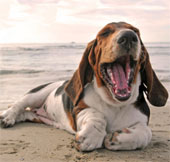
The dog, the intimate animal of humans, is said to mimic the master by yawning. The study is published in the journal Public Library of Science ONE by scientists from To…
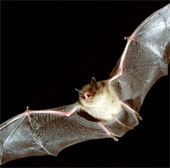
XROMM technology combines 3D images of bone morphology with X-ray film motion data to help create a vivid illustration of bone movement in 3D space.
All parents know the important stages of babies: flip, crawl, practice standing and take the first steps without support.
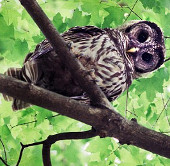
Scientists at Jonns Hopkins University Medical College have discovered four major adaptations that make it easier for owl species to move their necks easily.
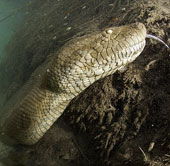
The huge prey and underwater movements, python terrestrial in Brazil have been recorded by photographers.

Researchers have found that animals with larger eyes than their body size will help it run faster, because large eyes provide better vision, are beneficial to animals wh…
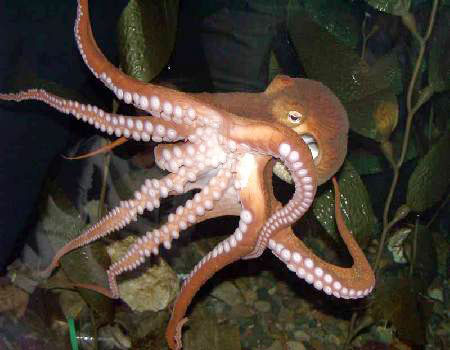
Recently, scientists at Hebrew University, in Jerusalem, Israel, discovered octopus not only smart, but they could also do some pretty good coordination.

With extremely supple and skillful movements, a Finnish bear practicing yoga to exercise, surely the bear also wants to extend her life.
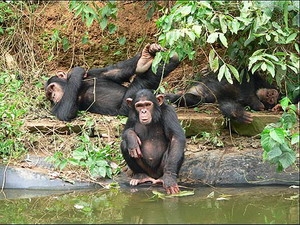
Birds consume a lot more energy than mammals, mammals consume more energy than marsupials, animals have pockets that consume more energy than reptiles.

US scientists discovered the sense of the wide-winged seagulls allowing them to recognize the smell of prey at distances of up to 20 km.