Space science
Detecting the ghost of
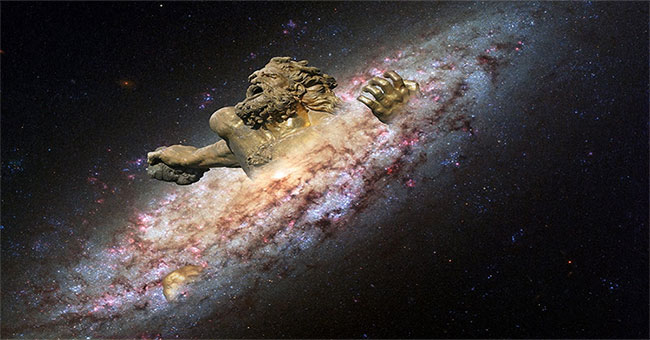
Gaia earth goddess in Greek mythology takes on the appearance of an invading galaxy in the history of the universe, contributing to many worlds including our earth.
Browse ScienceInfo articles and explainers related to Mythology.
56 published items.
Gaia earth goddess in Greek mythology takes on the appearance of an invading galaxy in the history of the universe, contributing to many worlds including our earth.
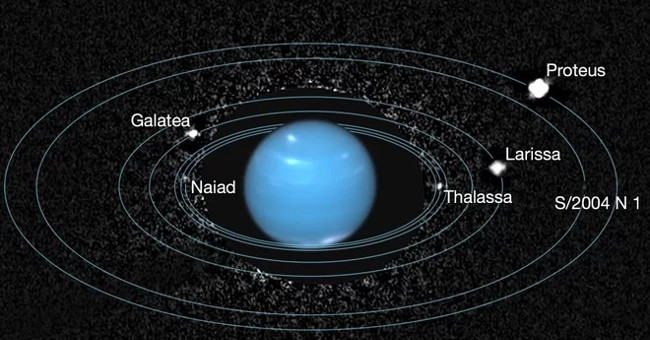
Neptune's English name (Neptune) and Galatea's moon are inspired by myths that have attracted many people.

The Milky Way or Milky Way is a milky white light strip across the night sky. According to Greek mythology, the Milky Way is the milk flow of the goddess Hera flowing in…
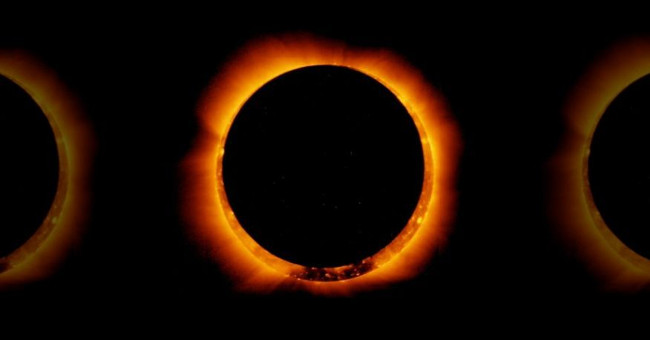
The complete disappearance of the Sun in the total eclipse is the subject for countless mystical tales in cultures.
Tomorrow, part of the world will witness the biggest total solar eclipse in 16 years. The natural phenomenon that humans now understand is the subject of countless mysti…
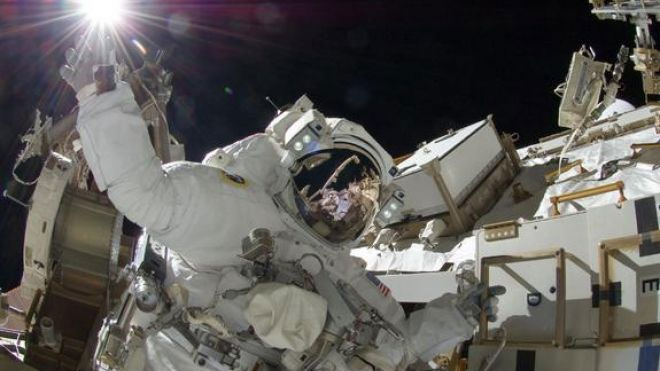
In Greek mythology, the bright sun radiates lethal charm to Icarus, and NASA astronaut Sunita Williams also aspires to touch this brilliant body.
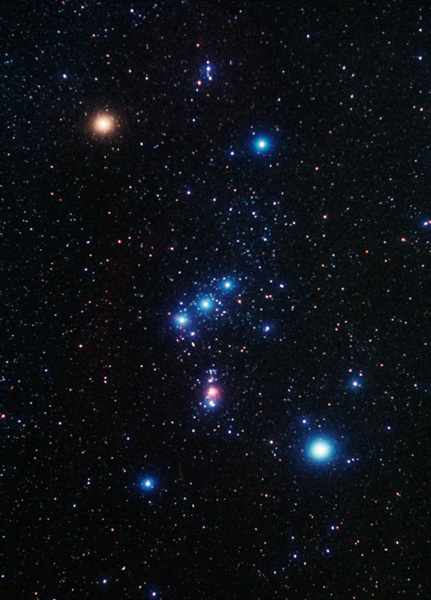
The brightest constellation that dominates the night sky this week appears in the south around 9 pm (local time).

Under the hands of British and American scientists, the chimera of Greek mythology was first introduced to the world: a sheep has half-human organs.

Mount Olympus is Greece's highest mountain with a height of 2,918m. Because the foot of the mountain is almost at sea level, it is listed as the highest mountain in Euro…

Melissani cave is like a fairy coming out of mythology. With her mysterious beauty, 'she' has made many tourists in the world passionate.

In Greek mythology there is a species called