
New technology
Chip industry hit a new milestone: The first successful production of carbon nanoparticles
In theory, with higher performance and more efficient use of energy, we expect it will replace silicon chips.
Browse ScienceInfo articles and explainers related to Nanoparticle.
159 published items.
In theory, with higher performance and more efficient use of energy, we expect it will replace silicon chips.

The nano-copper chloride salt introduced into micronutrient fertilizer has two 'fattening' effects and kills bacteria and viruses that cause disease in plants.
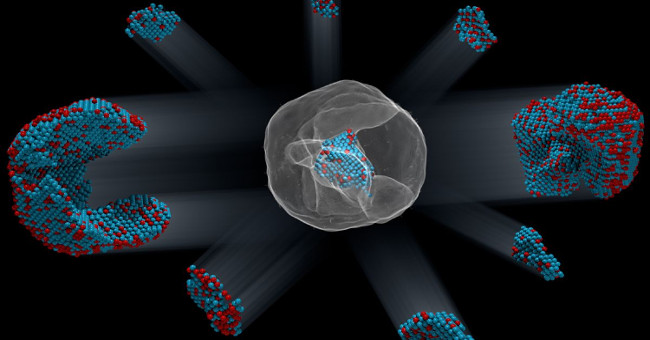
For the first time, scientists can accurately determine the structural position of 23,000 atoms in a molecule smaller than a cell.
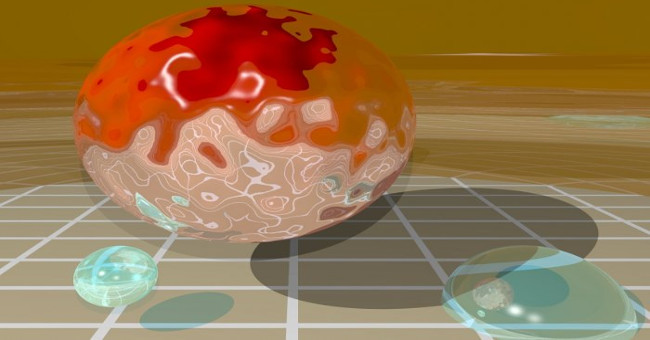
Scientists from Imperial University have discovered that light can exist in a form that has never been known, which is a form associated with a single electron.
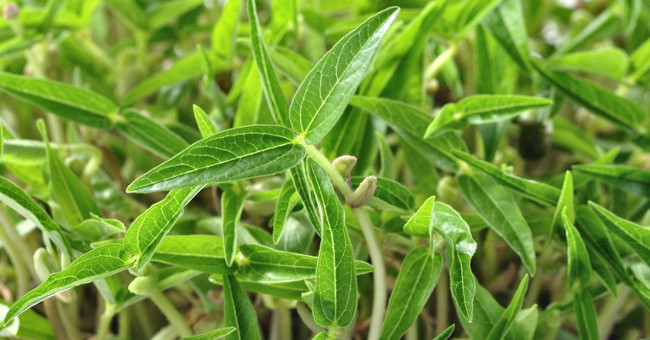
Recent research by scientists has shown that nanoparticles may be the solution to increasing food production in the future but do not affect the use of environmental res…

Recently, for the first time, scientists have found a way to use one of the most valuable metals to dye human hair, promising to give precious metal lovers a pure gold h…
Scientists from Ohio reported that nanoparticles are currently being added to cosmetics, sunscreens, and many other beauty care products may be harmful to the environmen…

The Turin shroud is about three meters long and one meter wide, preserving the faint image of a man whom Christians consider to be the image of Jesus.

The 1,600-year-old cup from ancient Rome is turquoise when light shines from the front and turns red when light shines from behind.
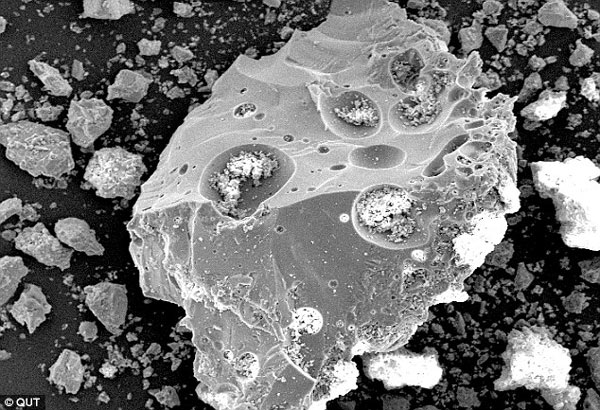
When Apollo 11 astronauts landed on the Moon in 1969, they found dust on the Moon in a state of silence for millennia. But when disturbing them, even though the Moon's g…
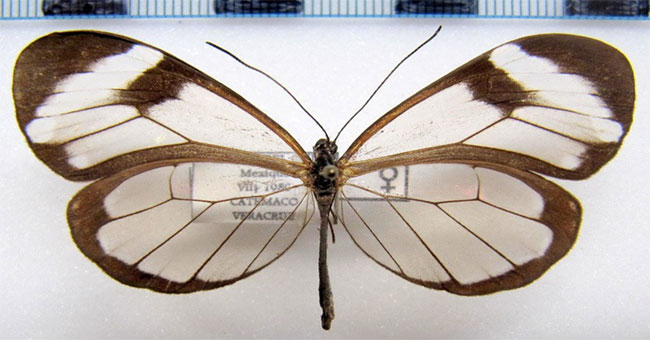
The world has tens of thousands of butterflies, each with a different character and color.
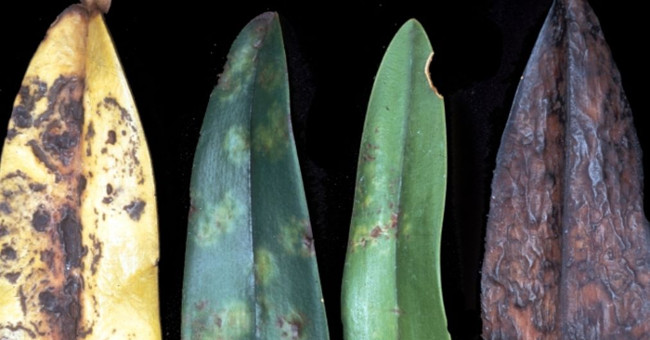
All the benefits of plant viruses are probably only limited by our imagination.
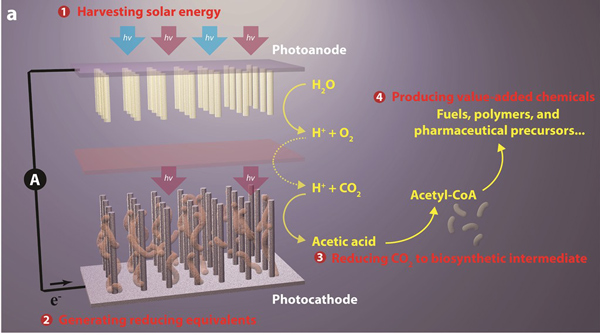

Indian scientists have succeeded in preventing mosquito growth with a simple mixture of carbon nanoparticles.
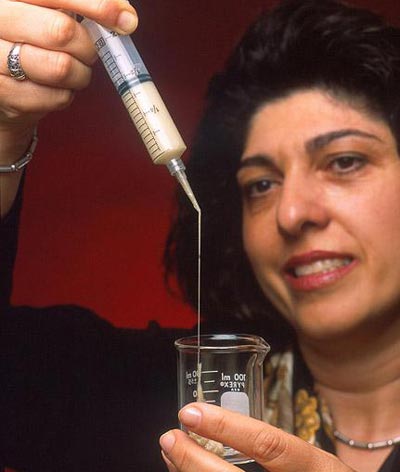
Hair care products, bandages for wound treatment and capsules are potential applications of a new type of soybean-derived polymers.