Discover science
Big brains don't mean smarter
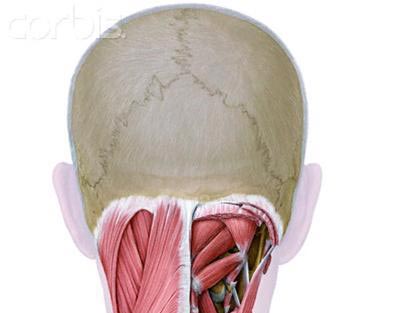
A new study conducted by British scientists based on the evolutionary roots of the brain has suggested that a big brain doesn't make you smarter.
Browse ScienceInfo articles and explainers related to Nerve.
296 published items.
A new study conducted by British scientists based on the evolutionary roots of the brain has suggested that a big brain doesn't make you smarter.

A new study by Cambridge scientists showed that the neurotransmitter serotonin, which acts as a chemical message between nerve cells, plays a decisive role in controllin…

On the tongue we have taste buds, a collection of about 100 cells. The nerve fibers connect each taste bud to the brain, informing us whether the food is bitter or sweet.

Our underwater ancestors have two front nostrils to fill the nostrils behind and release water. The nose was then used only for breathing, not for smell.

On February 14, Vietnam News Agency reported a study published on the Health section of the Wall Street Journal (USA). This is a study of the nerves of people in love, c…

When the skin is itchy, it irritates the brain, causing us to scratch, even when we sleep. But the mechanism behind these irritating itching is not well understood, and…

Today, zombies live is no longer strange. Stories about them appear everywhere, on television, movies, books and newspapers, ... But is the zombie alive in real life?

Canada has just announced the first case of a woman with a rare brain syndrome: recovering from a stroke, she began to speak in a different voice.
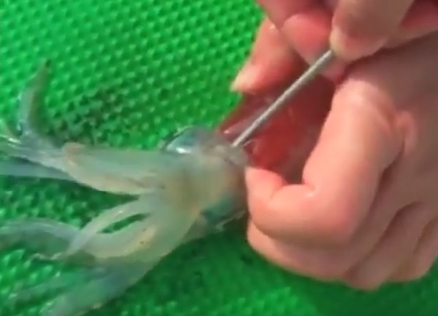
Many people are sharing interesting videos that make you

A study in mice said that marijuana use during adolescence could change decision-making areas in the brain.
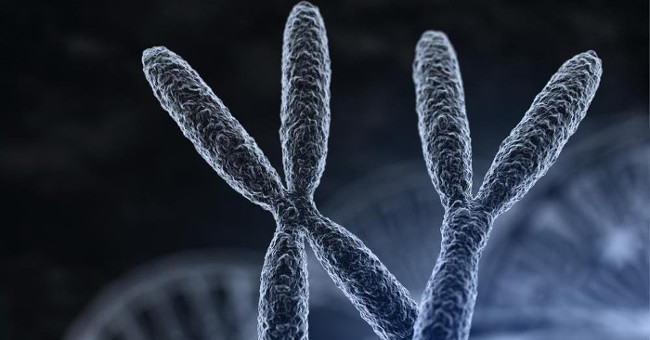
The DNA of a caveman virus that lived 1.5 million years ago could block the X chromosome, increasing the male sex ratio in the fetus.
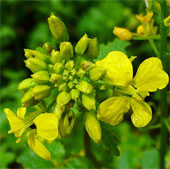
Tests show that mustard plants grown in soil are contaminated by VX neurotoxin, absorbing this toxin through the roots and retaining it for at least 45 days.
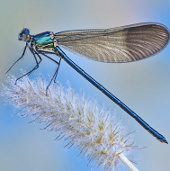
A new study suggests that dragonflies also have nerve cells to perform labor-intensive tasks - cells found only in primates.
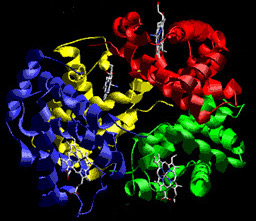
Scientists experimented on mice and found that brain enzymes caused pain after nerve damage.

Scientists say the tree transmits information about the intensity and quality of light from leaves to leaves like our nervous system.