Medicine - Health
Small bowls and plates can help children avoid obesity
The results of new studies published in the US said that using small dishes and eating lots of meals a day can help children eat less thus avoiding the risk of obesity.
Browse ScienceInfo articles and explainers related to Obesity.
328 published items.
The results of new studies published in the US said that using small dishes and eating lots of meals a day can help children eat less thus avoiding the risk of obesity.

The habit of chewing gum may increase the risk of obesity, according to a new study published by American scientists.
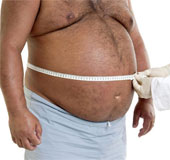
The slender waist is an obsession of middle age because it not only causes the body to deteriorate but also the risk of heart disease, stroke, diabetes and cancer.

Dr. Edward Archer and a colleague from the University of South Carolina (USA) conducted a study on the housework time of thousands of American women starting from 1965 t…
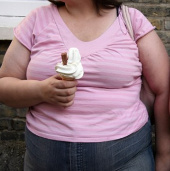
Obese women can put their babies at risk of congenital cardiovascular disease: Infants often have early signs of heart disease at birth. One-third of women of childbeari…
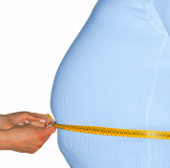
The new study shows that ring 2 weight increases the risk of bleeding leading to death from aortic rupture - the largest blood vessel in the body.

Scientists think that it's not just what you eat, it's always important to eat. Proven late lunches will contribute significantly to your weight gain.
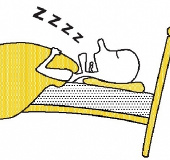
People who snore are at higher risk of cardiovascular disease than obese or smokers. Scientists from Henry Ford Hospital in Detroit (USA) conducted experiments with 54 p…
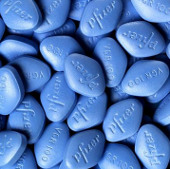
Men who have trouble with it have long relied on Viagra to regain the

British experts confirm the effects of loneliness on health are the same as the effects of obesity or smoking 15 cigarettes a day.
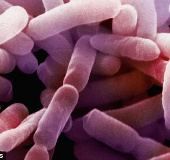
Researchers at Shanghai Jiaotong University found that obesity may be caused by a type of bacteria called enterobacter rather than overeating or exercising too little.
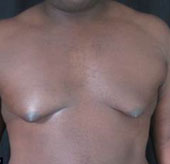
According to experts' estimates, in the last five years, the number of men in the UK who had to undergo surgery to remove their oversized breasts has doubled.
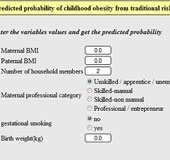
Scientists have created a table of six questions and it only takes two minutes to predict whether an infant will grow obese or not.

Scientists from McMaster University, Canada, found fat gene, also known as happy gene, FTO gene, linked to 8% of the gene. reduce the risk of depression.
Gastric bypass surgery - often applied to obese patients but unable to lose weight by other measures - can weaken their bones, Australian scientists warn.