
Oceanography
What Are Hydrothermal Vents?
Hydrothermal vents are places on the seafloor where seawater circulates through hot, chemically reactive ocean crust and returns to the ocean carrying dissolved minerals…
Browse ScienceInfo articles and explainers related to Ocean.
1,955 published items.
Hydrothermal vents are places on the seafloor where seawater circulates through hot, chemically reactive ocean crust and returns to the ocean carrying dissolved minerals…
The deep sea is the vast ocean environment below the sunlit surface layers, commonly including waters deeper than about 200 meters. It is cold, dark, under high pressure…
Plate tectonics is the framework that explains the large-scale motion of Earth's rigid outer shell. The lithosphere is broken into plates that move over the weaker asthe…
Climate models are mathematical representations of the atmosphere, ocean, land, ice and the exchanges of energy and matter among them. They are built from physical laws…
Evidence for climate change comes from many independent measurements rather than one thermometer record. Surface stations, satellites, ocean instruments, ice observation…
Hurricanes form over warm tropical oceans when the atmosphere and ocean supply a specific combination of heat, moisture, rotation and organized thunderstorms. In other r…
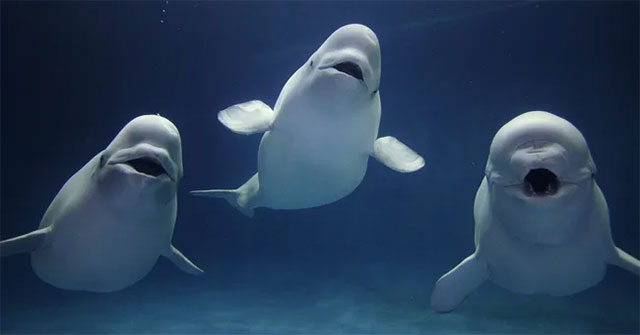
Beluga whales, also known as white whales, are one of the smallest whale species in the animal kingdom.
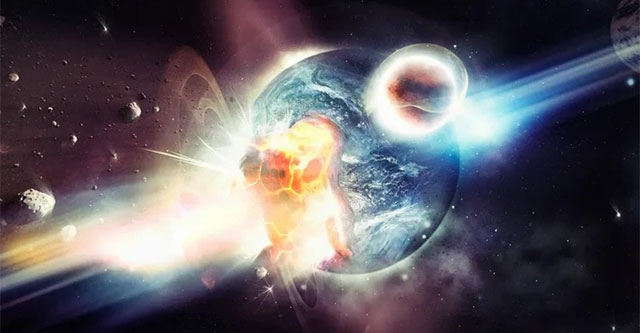
These massive structures, resembling two submerged continents rising from the Earth's core, have baffled scientists for years and may be ancient gold and platinum.

The powerful propulsion system combined with the submerged hull design allows the tug to move giant ships.
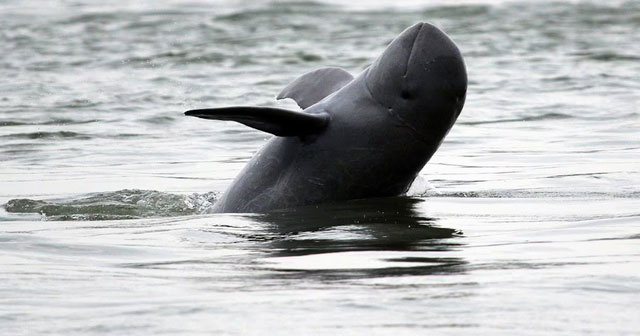
In the longest river in Southeast Asia (Mekong River), there is a creature known as
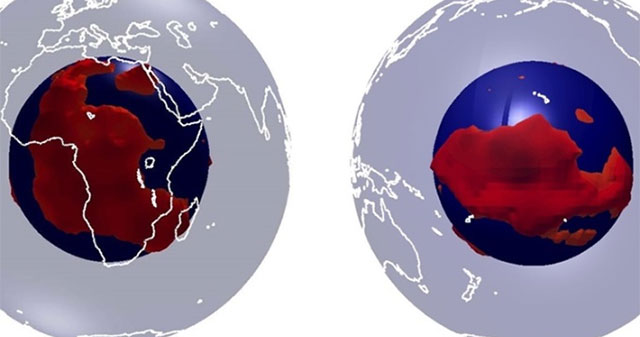
Scientists know almost nothing about the origin and composition of two large continent-sized rock masses located on opposite sides of the Earth's inner mantle.
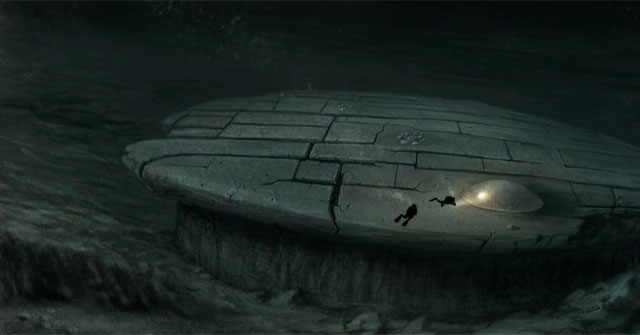
At the bottom of the Baltic Sea, there is a mysterious disk hidden, with a diameter of about 60 meters and a height of about 4 meters.

As of now, Antarctic shrimp are 'confident' that they won't be eaten.
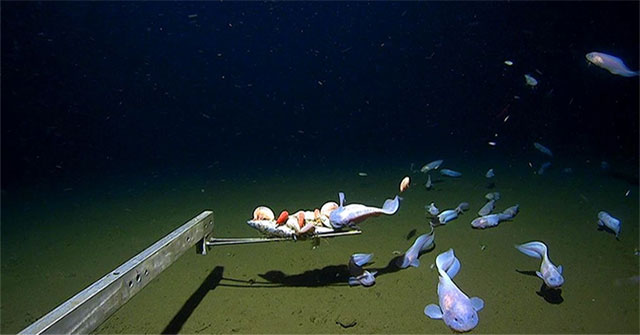
Scientists have filmed a snailfish of the genus Pseudoliparis swimming at unprecedented depths in the ocean, 8,336m below the surface.
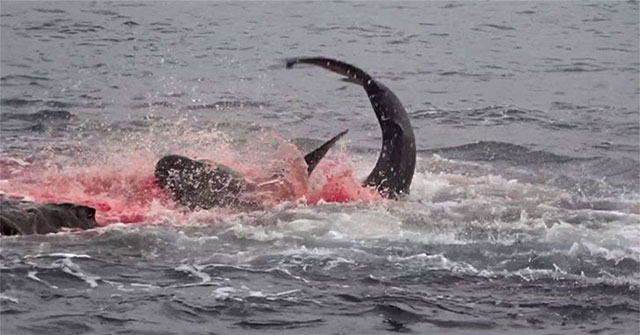
The Galapagos Marine Reserve is home to the largest population of sharks on Earth, so dramatic hunting scenes of these sharks often occur.