
Discover science
Why do we get older when cells are always replicating?
The human body is not designed to live very long and is usually limited to the age of 90. So why do we age and what does aging really mean?
Browse ScienceInfo articles and explainers related to Older.
217 published items.
The human body is not designed to live very long and is usually limited to the age of 90. So why do we age and what does aging really mean?
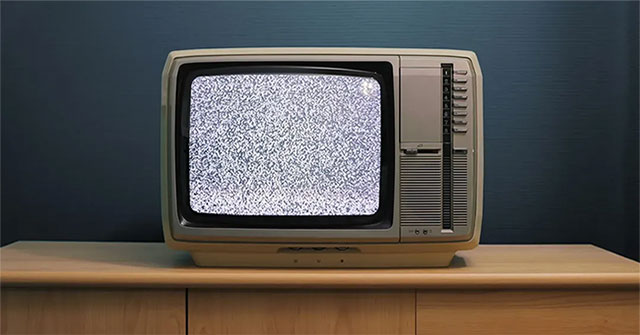
White noise is a common problem with 20th century TV models.

While fishing on the lake, a male angler suddenly caught a 40-year-old Koi fish, the weight of which surprised many people.

A recent study shows that we feel many times older than we actually are when we lose sleep. This negatively affects physical and mental health.

You've heard about Egypt with the Giza pyramid, but did you know that there are many other pyramids in the world, even older and more majestic?

Did you know Oxford University is more than 200 years older than the mysterious ancient Aztec civilization?

Having three or more children can make parents at least 6.2 years older, according to new research published in the American Library of Medicine.

Experts have developed a new device that evaluates sweetness objectively, 10 times more sensitive than older bio-electronic devices.
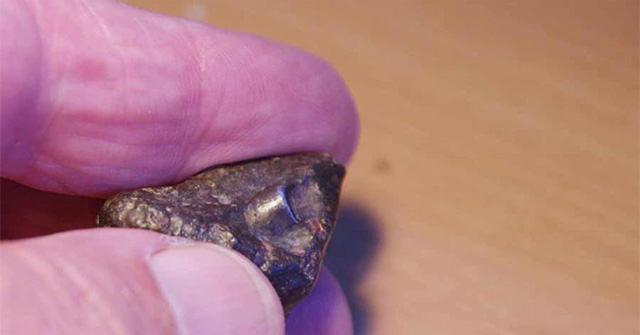
It is possible that this meteorite is several billion years older than the Solar System.
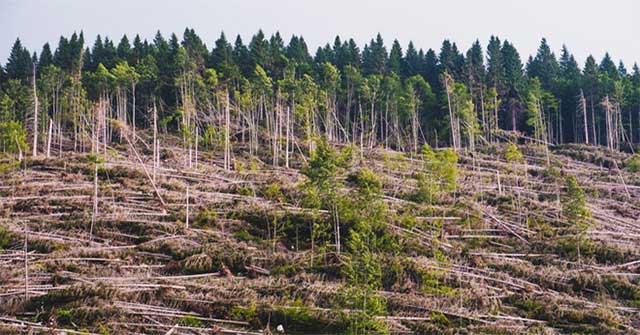
The height of forests around the world has decreased significantly, and their age has also increased significantly over the past 50 years.
Microsoft has officially released urgent updates for Windows 10 1909 and many older versions of the operating system are still in support, to fix a series of screen-rela…

Perhaps in old age, people easily empathize and realize that true happiness is mainly due to the spiritual aspect.

Proper nutrition is important for health at any age. In particular, the elderly tend to eat less due to the slowing down of their metabolism, making sure that they have…
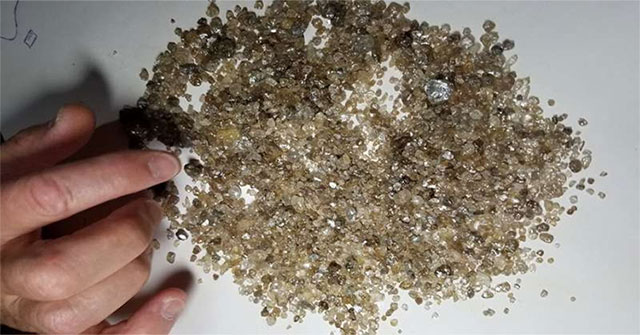
The diamond reserve is older than the Moon, discovered by an international team of scientists near the Earth's core at a depth of more than 410 km.
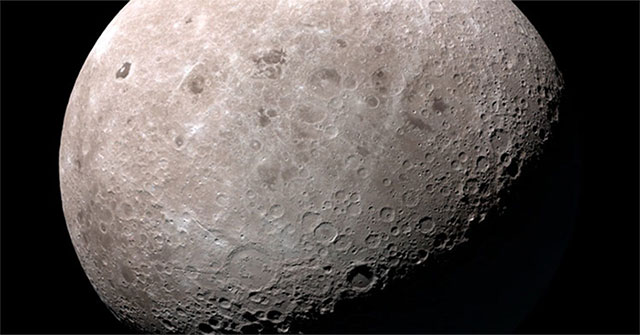
The specimens collected by Apollo astronauts in the 60s and 70s show that the Moon is older than we often think.