Medicine - Health
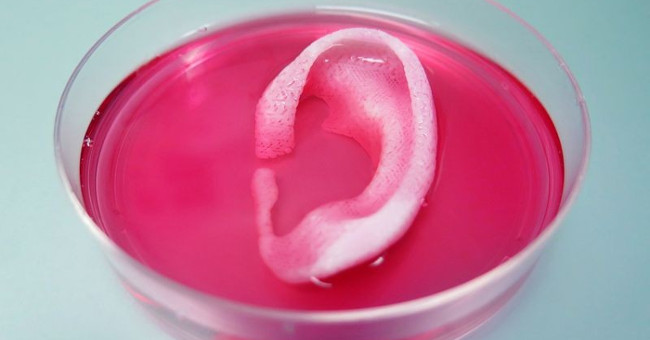
Breakthrough technology: Successful 3D printing of human ears with blood vessels and cartilage
Experts have recently succeeded in printing an ear
Browse ScienceInfo articles and explainers related to Organ.
451 published items.
Experts have recently succeeded in printing an ear

The current list of parts that can be created in the lab has heart, larynx, brain and kidney tissue.
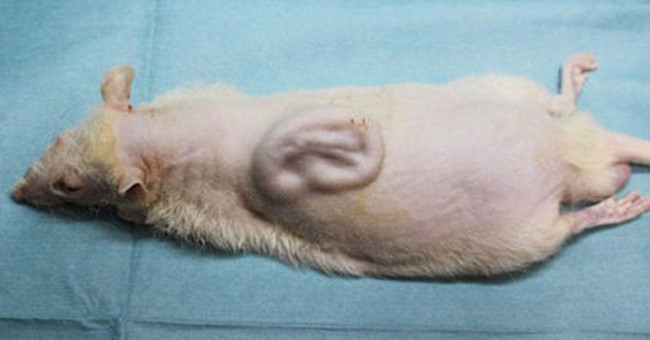
For the first time in history, Japanese scientists have been able to use stem cell methods to successfully develop human ears on the back of a mouse.

At present, Vietnam has not prepared a plan for transplanting heads, but is prepared to select the first donors and recipients.
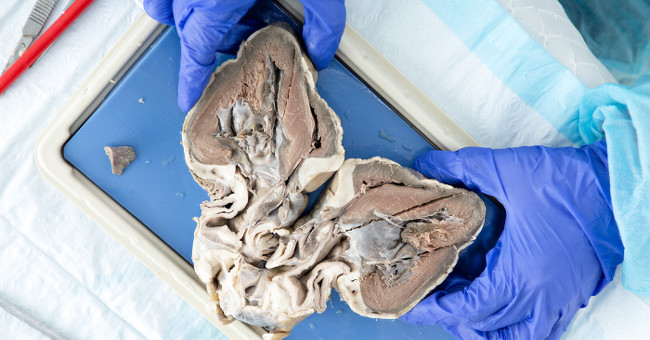
Last November, scientists presented the progress of this idea in a workshop at the National Institutes of Health and Health Research (Maryland).

Chinese cartoon stickers contain chemicals that affect reproductive organs, even lead to cancer if absorbed by the body.
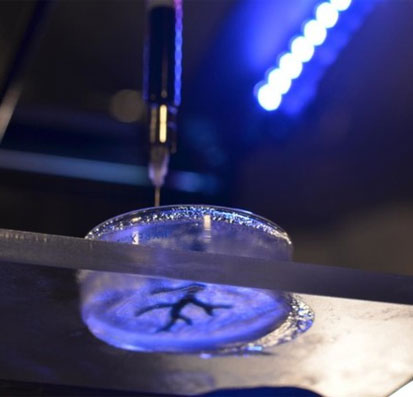
Researchers have successfully developed a method of 3D printing of various body structures such as heart, arteries, brain and bone, providing opportunities for cheap org…

By gene regulation, Harvard University (USA) said in the future it is possible to use pig organs to transplant for humans.

Admittedly, experimentation and experimentation are an important mandatory step not to be ignored in bringing humanity to new heights.
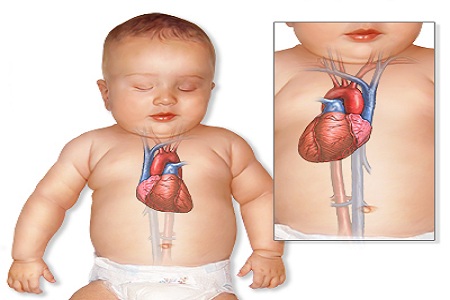
People still live healthy with many internal organs turning upside down and living with the right heart is not very difficult.
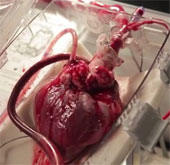
Thanks to a revolutionary technology, the donor's heart is still guaranteed to be throbbing in a body-separated box until the moment it is transplanted for the needy.

A biotech company in the US has studied how to feed pig organs for human use and achieve some initial success.

It is possible that one or more proteins in the blood of young people can rejuvenate a range of organs including the brain of the elderly.
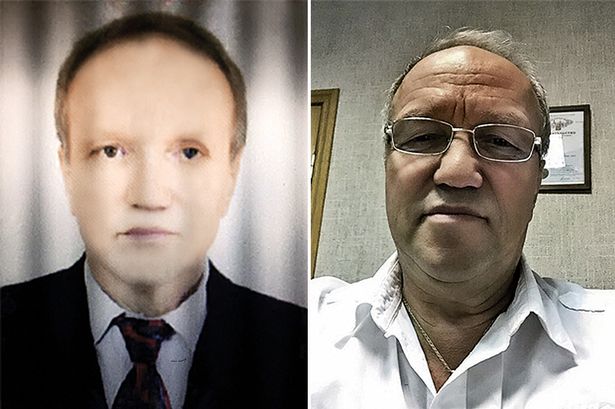
A man in Krasnodar Krai, western Russia meets a strange story after a liver transplant from African Americans. When the organs function normally, his skin gradually chan…
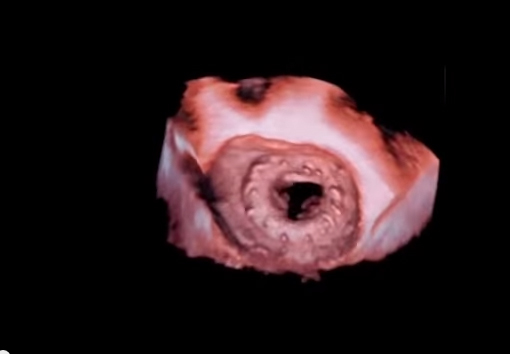
Researchers have created a software, capable of simulating 4D internal organs in a state that functions exactly as it happens inside a human body.