New technology
The latest statement from CERN about 'God's seed'
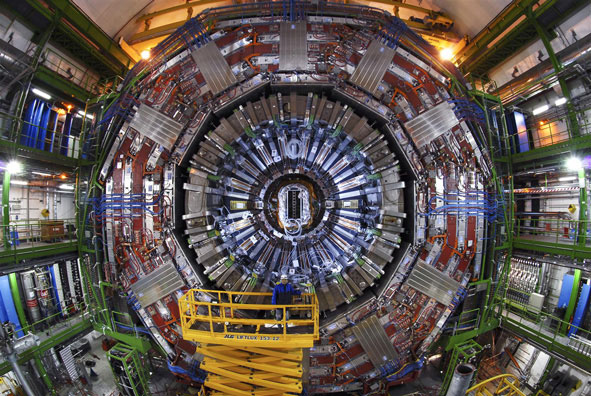
At 8:00 pm on December 13, two research groups ATLAS2 and CMS3 presented an experiment to search for the Higgs particle before the European physic world.
Browse ScienceInfo articles and explainers related to Particle.
803 published items.
At 8:00 pm on December 13, two research groups ATLAS2 and CMS3 presented an experiment to search for the Higgs particle before the European physic world.
A team of scientists from the University of Stuttgart and the Max Planck Institute for Intelligent Systems Research (Germany) recently collaborated on developing the wor…

The world's largest accelerator is expected to be built in Japan at an estimated cost of $ 10 billion.
Swedish scientists have realized the idea from 40 years ago - creating light from a vacuum.
Researchers working at the University of Colorado Boulder, USA together with the National Institute of Standards and Technology (NIST) have developed: New generation mic…
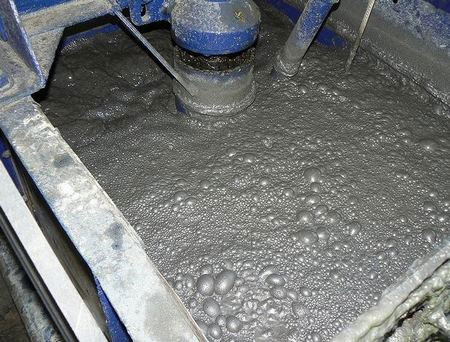
US researchers have discovered a completely new technology that separates gold, silver, copper from the rocks and ores, with a recovery rate of approximately 100 percent.
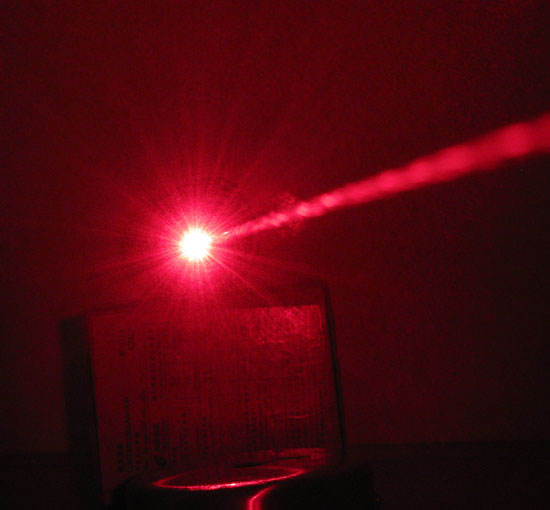
In the future, lasers can become a more effective rain-generating tool for all existing rain-generating techniques.
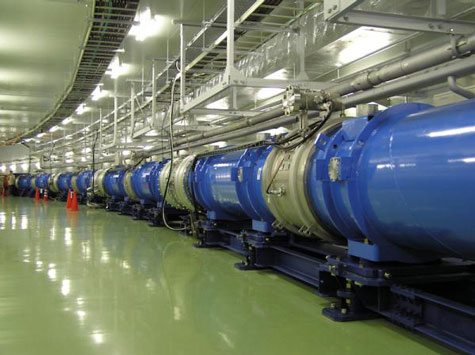
Physicists have just discovered a new type of neutron-based elementary particles. They participate in two of the four basic types of interaction, weak interaction and co…
Scientists are creating the largest antidote trap ever
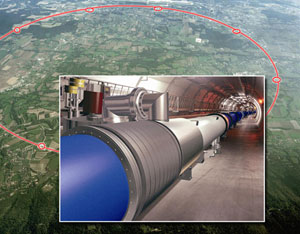
CERN has successfully conducted experiments with the LHC accelerator to decipher the mystery of the formation of the universe.
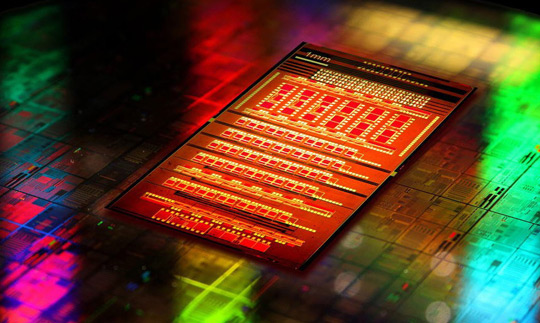
International team led by scientists from Bristol University, UK, has successfully researched faster particle accelerator chips, a larger amount of information storage t…
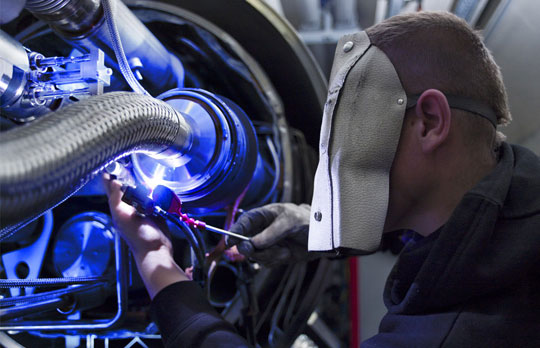
The European Center for Nuclear Research (CERN) recently published its successful journal Nature in 'confinement' of hydrogen antimatter.
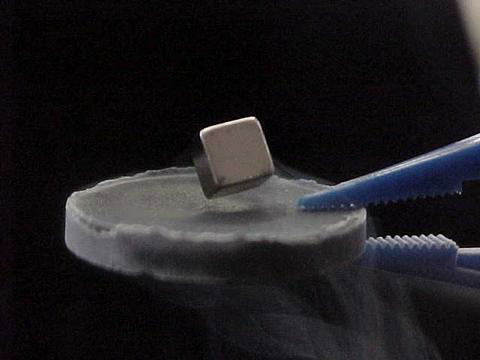
Scientists at Princeton University have discovered a new generation of crystal materials
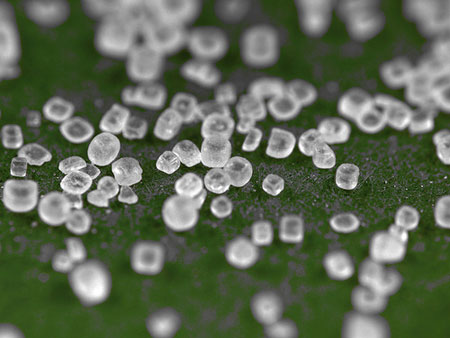
The lithium batteries that we see in cell phones and laptops can be shrunk with salt in the future.
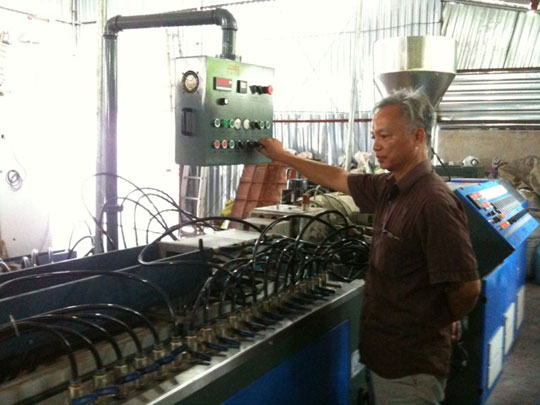
The rice husk was originally removed from bran, then 'crushed' into small particles by decomposition by temperatures greater than 200 ° C at the same pressure.