Health
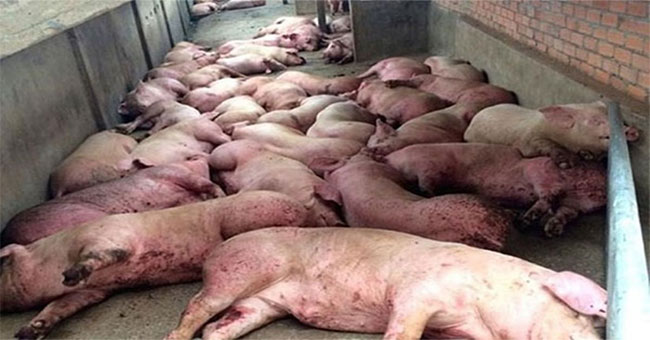
Overview of cholera swine in Africa
African swine cholera is thought to have appeared since 1907 and was first described in 1921 in Kenya.
Browse ScienceInfo articles and explainers related to Pigs.
194 published items.
African swine cholera is thought to have appeared since 1907 and was first described in 1921 in Kenya.

When pigs are found dead or show signs of disease, farmers are responsible for notifying commune veterinary staff or members of the Steering Committee for commune-level…

There are many conflicting opinions about these cases, but they somehow contribute to the development of modern medicine.

Why is ice cream eaten with cinnamon, why do saving tubes have a pig figure ... do you think you understand all the uses and meanings of these items?

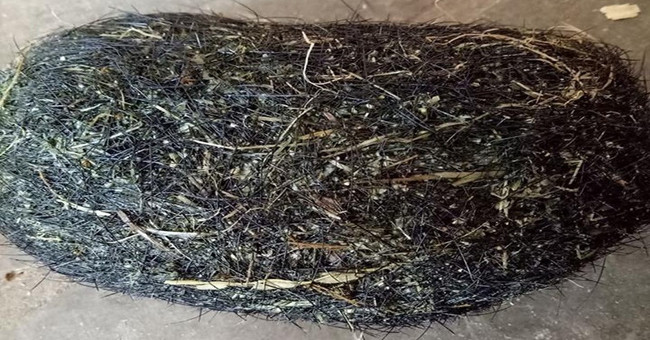
After slaughtering the pig, Mr. Khanh discovered a strange object in his stomach, which was black and white. Learn, I suspect this is
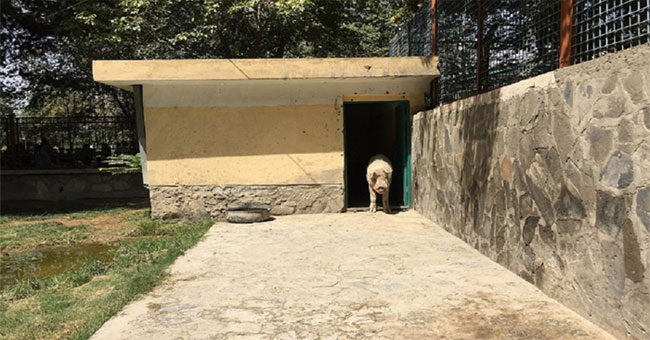
Khanzir is a very famous pig. Visitors from everywhere flock to the zoo to see Khanzir. Khanzir's popularity stems from the fact that it is the only pig in Afghanistan.
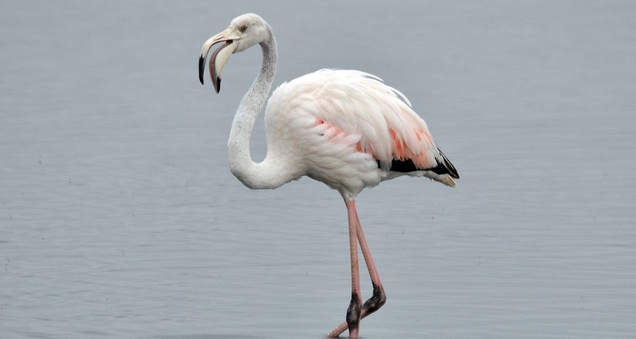
There are things you think are ridiculous but those things are completely correct.

Kon Tum's vast land area not only has coffee and pepper forests, but also raises tourists' interest because of unmistakable delicious dishes such as bitter coffee, sour…

Pigs like mud baths, men like to look at women's breasts or do homework points will be higher ... all of this has been explained by science.
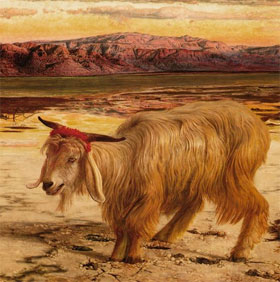
Raising the god Zeus, the symbol of Satan demon ... are extremely unique images of goats in ancient cultures.
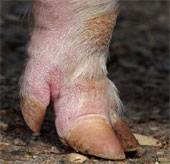
Scientists have identified the reason why the toes in ungulates have a pairing.

March 28, a month before information about swine flu flooded headlines around the world, a 9-year-old girl in Imperial County, California, had a 104.3 degree F fever.

The sight of the man throwing a bucket of water into the river to tease the shy boar made many angry.

Australian animal protection on Feb. 3 used a young dolphin to lure more than 100 other dolphins to safety, as they prepared to risk collective landslides.