
Discover science
The most dangerous beaches in the world
Most tourists want to go to the beach in the summer, but many beaches have deadly dangers.
Browse ScienceInfo articles and explainers related to Poison.
814 published items.
Most tourists want to go to the beach in the summer, but many beaches have deadly dangers.

When we sit in a car or train or ship, you don't really move physically. Muscles say

If risking your life means that, in a way, will bring about a significant life-span, will you accept to go on that path to the end?

Thousands of years ago, people knew mercury. At that time, the Chinese and Indians believed that mercury was a kind of medicine that helped people to live immortality, h…

There are many ways to measure the extent of harmful substances. For example, you can take into account the extent to which the substance is harmful to the whole society…

To protect the sleep of kings, besides the scary curse, the ancient tombs often contain pitfalls.

At the height of his talent (often coinciding with the period of heavy depression), Van Gogh thought of installing a gas pipeline to the house he rented in Arles, southe…

War psychology, chemical weapons or death horns, are the scary weapons and tactics used in ancient war.
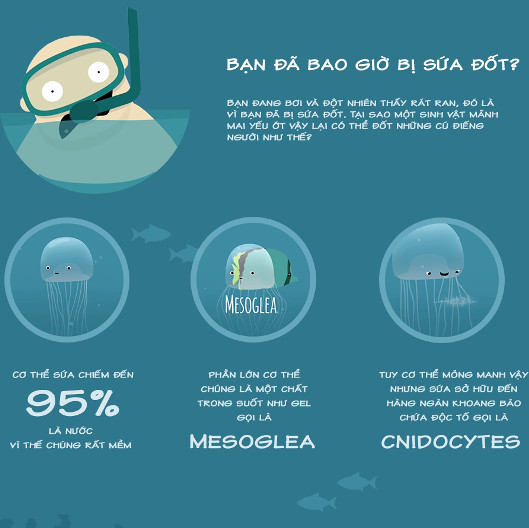
By owning the fastest rapid launches in the natural world, jellyfish tentacles cause pain and even death to their victims.
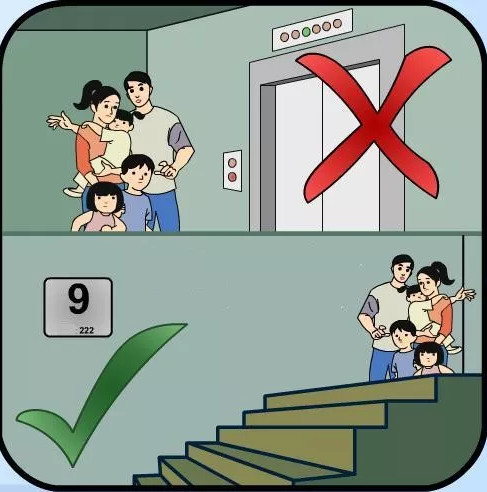
The cause of death of most fires and fires is smoke.


According to Laodong, Chinese authorities warned that cyanide levels in the surrounding water where the explosion occurred in Tianjin were 356 times higher than allowed.

Sodium cyanide exists in conditions that are usually in the form of white crystalline or small granules, easily fatal if inhaled or swallowed.

The thermocouple is a familiar device in the family medicine cabinet. However, the thermocouples are very fragile, especially when the mercury breaks in the thermocouple…

Herbicide poisoning seems to be the cause of the strange disease, which caused at least 18 deaths in Nigeria over the weekend, the World Health Organization (WHO) said.