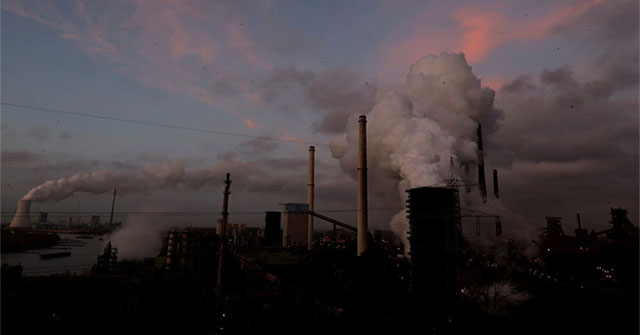
Health
How does air pollution increase the risk of infertility?
New research suggests that exposure to air pollutants may harm the development of eggs, sperm and embryos, increasing the risk of infertility.
Browse ScienceInfo articles and explainers related to Pollutant.
69 published items.
New research suggests that exposure to air pollutants may harm the development of eggs, sperm and embryos, increasing the risk of infertility.

In addition to pollution from exercise equipment, gym ventilation systems can unintentionally draw in pollutants from outside sources, according to researchers.
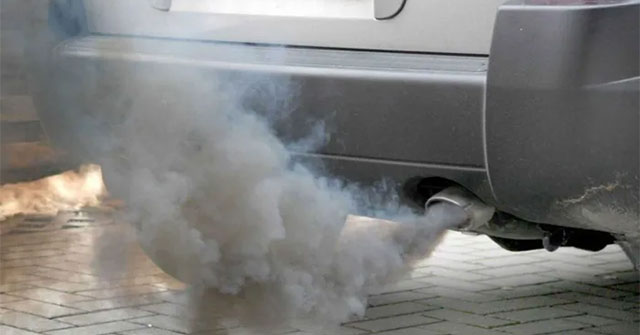
Cars are a familiar means of transportation that bring convenience to people's living and working lives. However, with internal combustion engine cars, the exhaust gases…
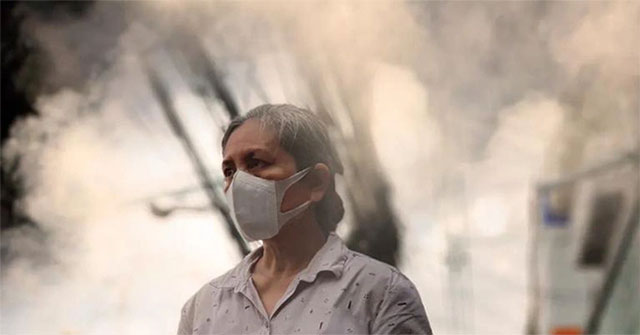
According to a study published in the journal Lancet Planetary Health, air pollution can make antibiotic resistance worse.

Red dust has soil dust components, it is not only construction dust but also belongs to the group of air pollutants.

If a household gas stove leaks, people are at risk of being exposed to dozens of pollutant compounds, including cancer-causing agents such as benzene.

Scientists successfully create a wrist-worn air pollution sampling device called Fresh Air. They are also exploring its potential use in monitoring exposure to airborne…
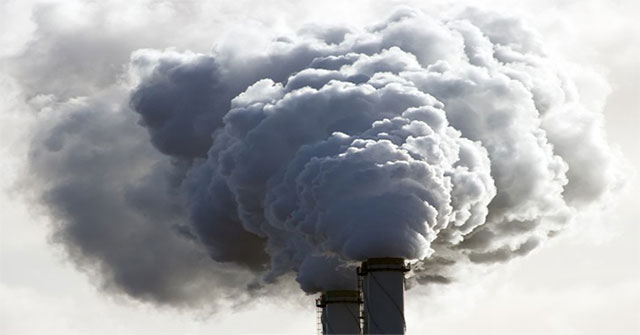
A team of European and Israeli engineers have developed a graphene-titanium dioxide mixture that covers the surface of buildings or streets that can absorb pollutants to…
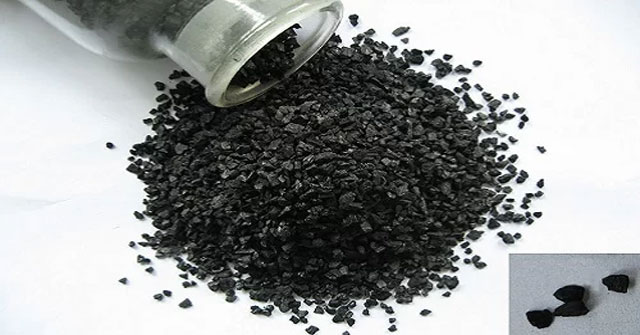
Using granular activated carbon combined with aeration through the insert tower can help filter styrene contaminated water.
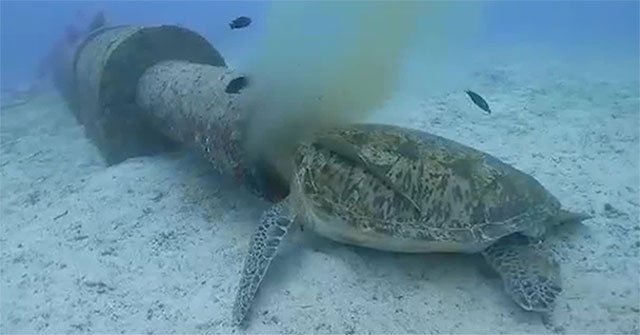
Images of rare pineapple tortoise and a few fish feeding near the sewage pipes cause concern about pollution on Boracay Island.

These particles enter the placenta through the mother's breathing activity.

The phenomenon of virtual green tears is spreading in the East China Sea, poisoning many marine organisms and can cause illness for humans.
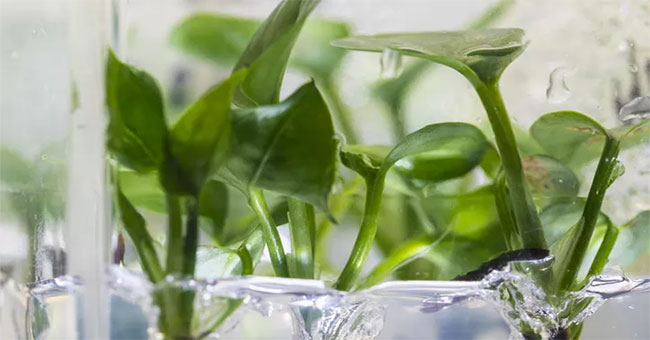
A rabbit gene has been introduced into conventional indoor plants, giving them the power to filter harmful air pollution.

There are still 2.1 billion people in the world still without clean water.
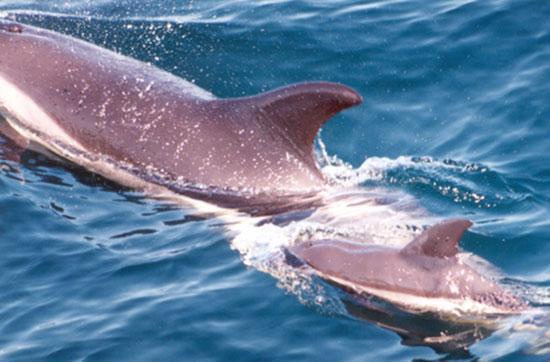
Extensive research on marine pollutants in marine mammals shows that these animals are exposed to toxic insecticidal compounds such as DDTs and PCBs.