Animal world
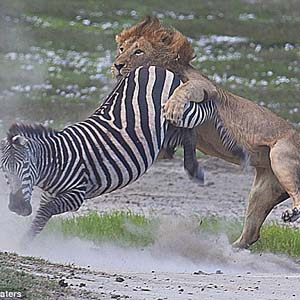
Zebras hit the hungry lion's face
The hungry lion lay in the tall, dry grass waiting for his meal to pass and accidentally spotted a zebra walking on the meadow.
Browse ScienceInfo articles and explainers related to Prey.
587 published items.
The hungry lion lay in the tall, dry grass waiting for his meal to pass and accidentally spotted a zebra walking on the meadow.

Scientists say dolphins are the true chefs of the ocean. They often perform a sophisticated food preparation process.
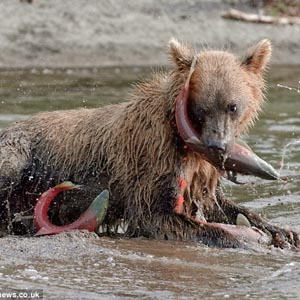
Salmon is not only a popular choice in restaurant menus but also a favorite of wild bears.
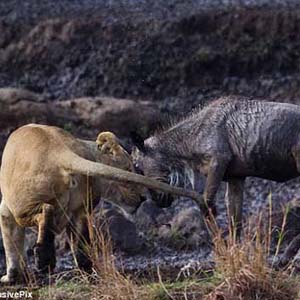
Luckily not twice with this wildebeest when it found a less risky river crossing in the herd migration in Kenya.
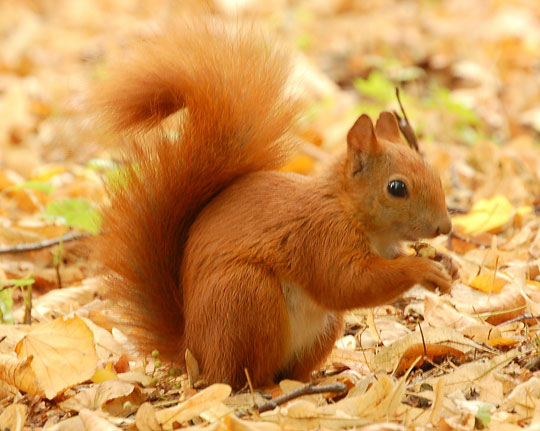
Do not think in the animal world there will be no so-called 'culinary arts'. Animals do not simply put in their mouths, chew and swallow anything ...

Scientists at the University of Aarhus (Denmark) have published amazing images of the process of digesting a python's prey with high-tech imaging technology.

US scientists discovered the sense of the wide-winged seagulls allowing them to recognize the smell of prey at distances of up to 20 km.

Many insects and carnivores, including humans, choose to eat certain parts of their prey to balance the amount of nutrients taken into the body.

Each of the toxin-bearing animals has an alarm, which is immune to their venom.

Living in harsh circumstances, having to find ways to maintain the race, many animals have found unique and sometimes cruel ways of survival.

Thanks to the ability to suck water or air into the abdomen to enlarge the body into a sphere, the puffer fish can challenge the most terrifying predators.


Animals such as octopus, spiders, geckos are thoroughly utilizing the ability to change body color to hunt, evade enemies and attract mates.

Great instincts and ingenuity help mouse deer escape the eagle's claws.

Her aunt tried to turn the turtle into dinner, but she struggled with her prey for nearly half an hour.