Biology
The United Nations calls on the world to save bees
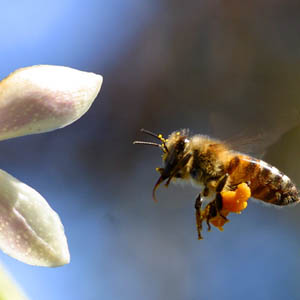
The number of bees around the world is declining at an alarming rate, at the same time calling on the international community to save bees because they are very importan…
Browse ScienceInfo articles and explainers related to Production.
1,279 published items.
The number of bees around the world is declining at an alarming rate, at the same time calling on the international community to save bees because they are very importan…

The Center for Bioenergy (BESC) of the US Department of Energy has announced a new technological process in gasoline production to reduce dependence on imported oil.
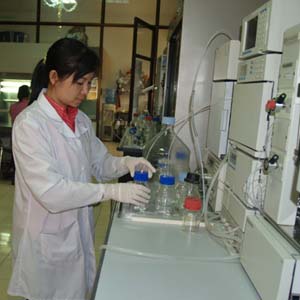
Scientists from the Institute of Biotechnology have just completed the production process and the use of biological biocide nisin and enterocin P for application in pres…
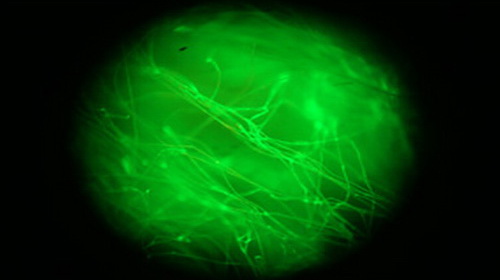
Notre Dame University (France), Wyoming University (USA) and biotechnology company Kraig Biocraft (USA) have succeeded in producing genetically modified silkworms capabl…
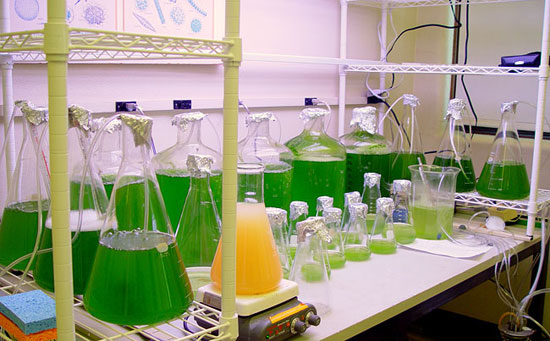
Argentina's Oilfox SA has inaugurated the first algae-based biodiesel plant in Latin America, with the goal of gradually replacing the production of biofuels from soybea…
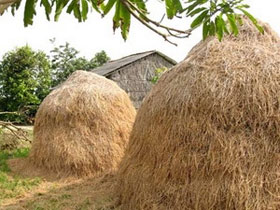
Scientists at the University of Twente (Netherlands) have just studied a new method that can extract biofuels with high efficiency and low cost from agricultural and for…
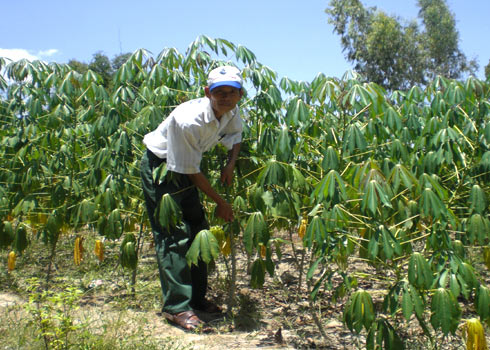
6 biofuel plants have been licensed with an annual demand of about 1.2 million tons of cassava chips, in which Quang Nam factory has operated. Businesses are worried abo…

There is a sex gene, found in all animals whose function has virtually unchanged during evolution.

Treating the amount of algae released after biofuel production, Indian scientists turned them into plastics.

Doctors at Concord Hospital in Sydney, Australia are studying ways to help patients burn by creating alternative skin layers in the lab.

Heating microalgae in high pressure cookers can speed up the production of crude oil from millions of years (in nature) to several tens of minutes.

Thanks to genetic modification technology, plants that cause many human health problems can become a source of biofuels for engines.

To survive on Mars, the first thing that needs to be solved is the food problem, which is to ensure the production of large quantities of vegetables.

Canadian scientists have discovered the cheapest method to produce insulin.

Shrimp shells can contribute significantly to the production of environmentally friendly biofuels.