Biology
Published a complete map of the genetic variation of rice
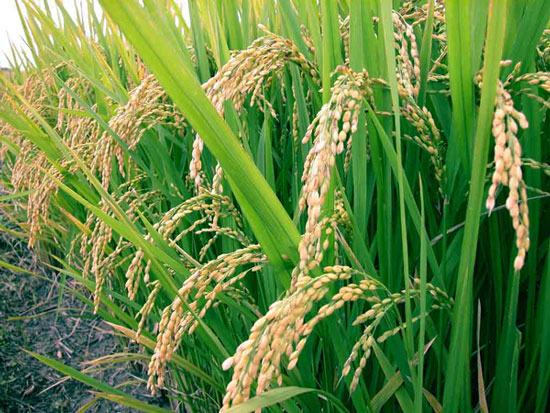
A research team from China and Japan has published a complete map of the gene variants of rice, which supplies food for half of the planet's population.
Browse ScienceInfo articles and explainers related to Production.
1,279 published items.
A research team from China and Japan has published a complete map of the gene variants of rice, which supplies food for half of the planet's population.

Some bees in a region in northeastern France produce green bile because they eat sugar containing colored products.
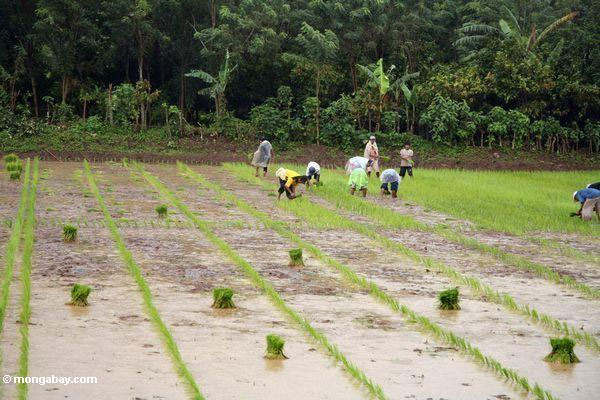
Scientists have discovered a gene in India's Kasalath wild rice variety that has the potential to increase rice production in poorly nutrient gravel soils.
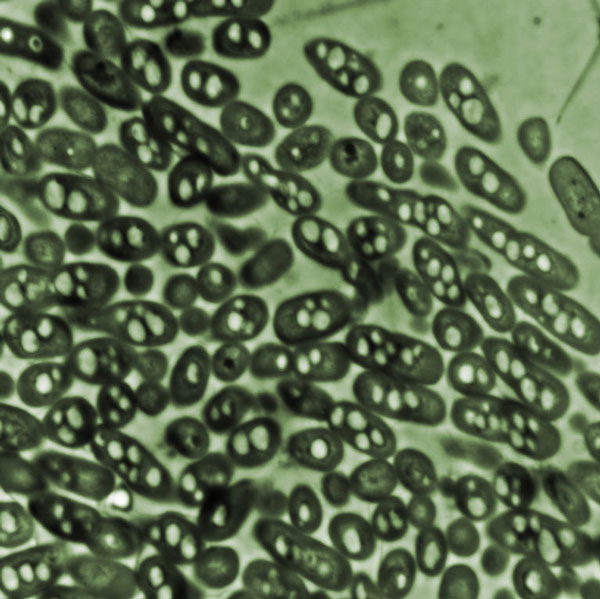
US scientists have found a way to produce biofuels for cars and motor vehicles with a normal bacterium in the soil.

Cuban scientists on July 16 announced a plant that could be used to produce biofuels. So long, Jatropha tree (also known as fence or stalk tree) produces fruit with seed…
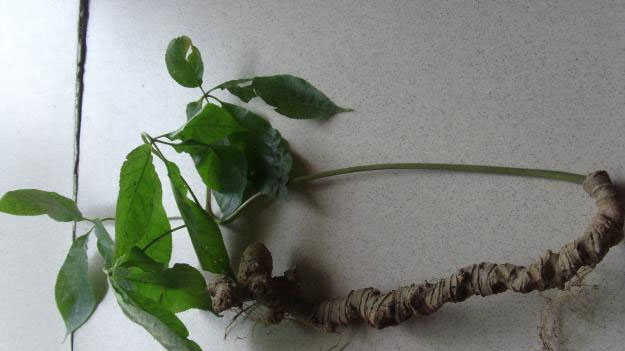
Research 'Asexual propagation research and production of root biomass of Ngoc Linh ginseng

Perfume is very volatile in the natural environment. So when producing high quality perfumes, it is necessary to have incense to prolong the time of creating aroma on hu…
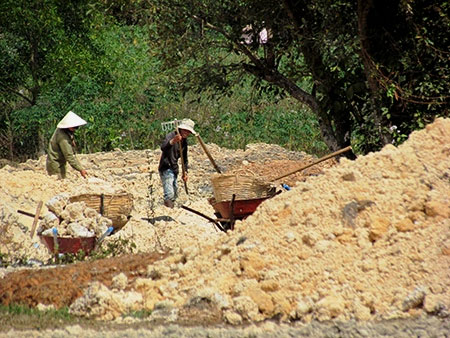
Due to high organic matter content, cassava residue is often used as organic fertilizer for plants.

Scientists at the Institute of Chemistry - Vietnam Academy of Science and Technology have successfully studied the method of converting waste cooking oil into biofuel by…
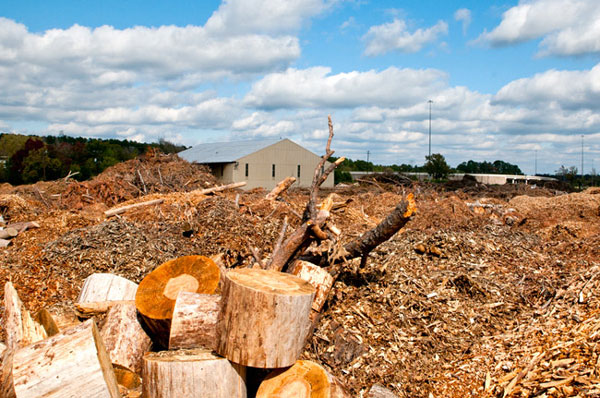
Aalto University Finland has proposed a method to use bacteria to produce butanol suitable for biofuels and other industrial chemicals from wood biomass.
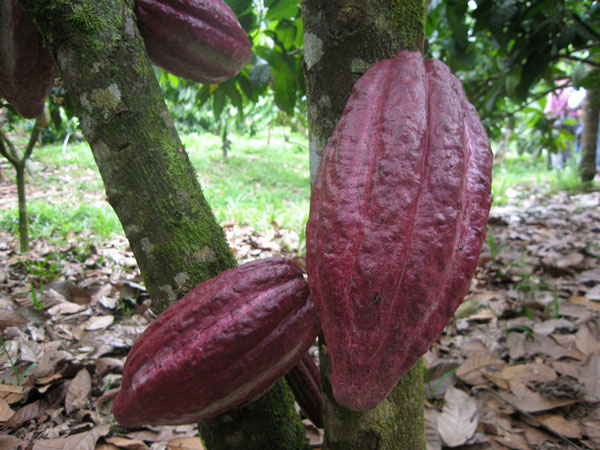
Chocolate prices may soar in the future due to global warming causing cocoa production to decline. Chocolate is a sweet food known worldwide. It is considered that choco…
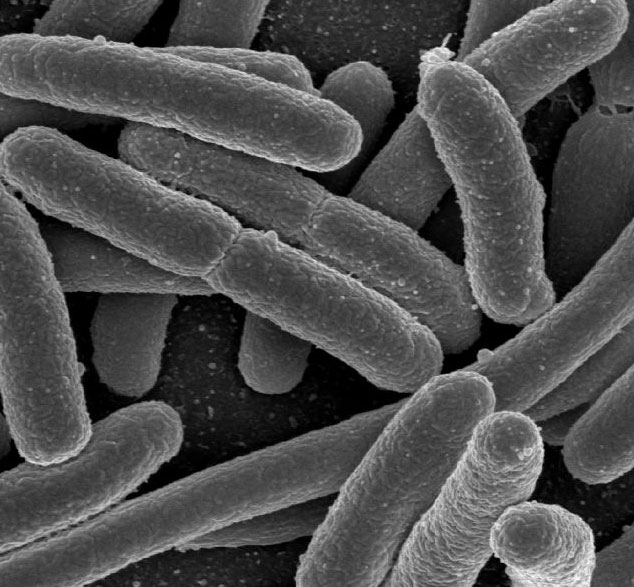
Some strains of E.coli bacteria can convert sugar in plants into fatty acid derivatives, which are often used to produce fuel.
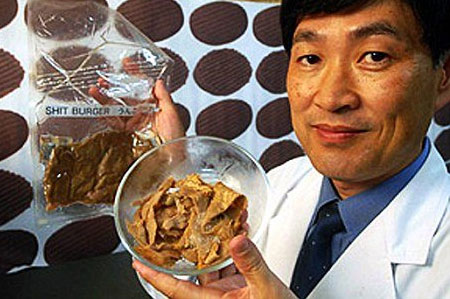
Scientists at Okayama Research Institute (Japan) have successfully developed an artificial meat from human feces.
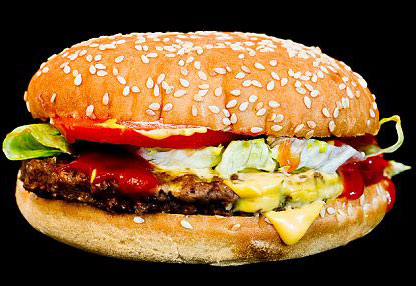
Scientists believe that minced beef products grown from cow stem cells in the laboratory will become a reality within 12 months.
In order to ensure sufficient raw materials for sustainable incense production villages, Nghe An Department of Science and Technology in collaboration with Quy Chau dist…