Biology
Microorganisms found in Kamchatka help treat tumors
At Kamchatka of Russia, scientists are studying thermophilic bacteria that can be used to treat tumors.
Browse ScienceInfo articles and explainers related to Protozoan.
21 published items.
At Kamchatka of Russia, scientists are studying thermophilic bacteria that can be used to treat tumors.
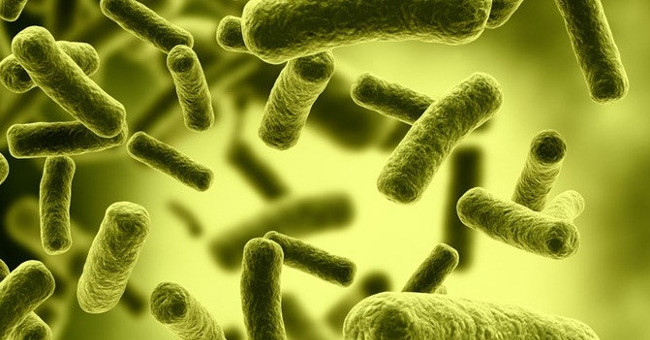
From the international database of more than 1,500 multi-genomes, scientists have restructured a single genome of 7,280 new bacteria and 623 bacteria (protozoan microorg…

How animals appear and evolve are still the mysteries of the scientific world. However, it seems like we finally solved this mystery.
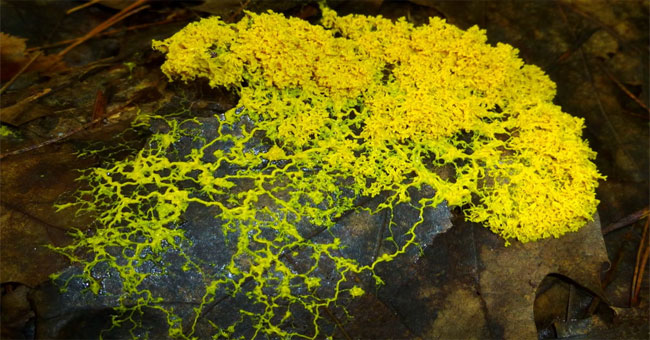
Although there is no brain, single-celled organisms such as mucus are able to communicate what they have learned to each other.

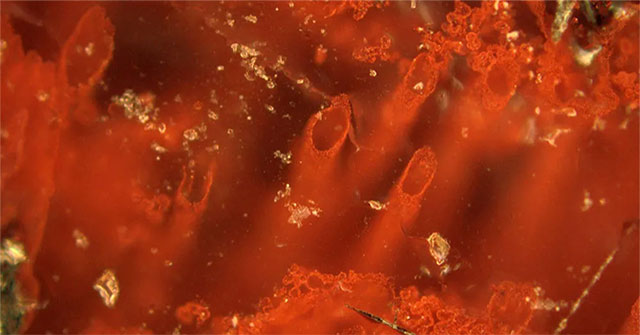
Scientists have discovered a single-celled, bacterial-like organism that appeared on Earth 3.8 billion years ago and is believed to be the ancestor of life on earth.

Earth has no oxygen 2.4 billion years ago. Experiencing a leap of evolution, when oxygen appeared, the planet's ecosystem changed completely.
On the diving area of the Bahamas, Mikhail V. Matz of the University of Texas, Austin and some colleagues are looking for big, glowing eyes to adapt to the dark.

Scenes that seem to be seen only in sci-fi films are discovered at Vaadhoo.
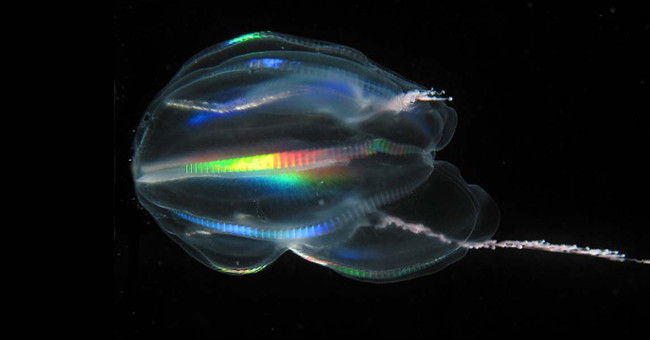
Bacteria are the first signs of life that appear on the green planet. But bacteria are not animals! So where is the first animal to appear?
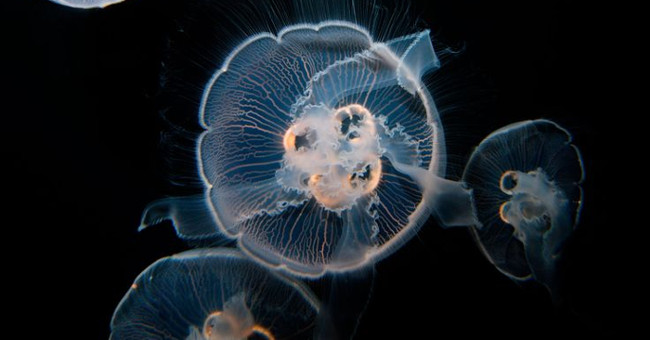
The moon jellyfish has the ability to heal wounds, regrow the broken part, regenerate and reverse the aging process.
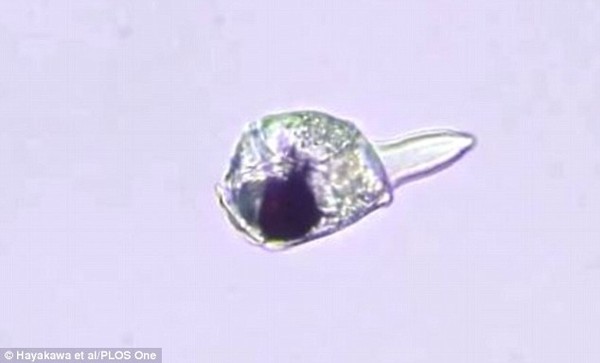
Scientists at the University of São Paulo in Brazil recently discovered the world's most exotic predator - a tiny single-celled creature with no brain and only one eye a…
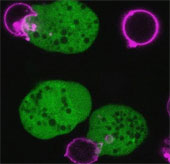
According to a recent study, parasitic amoeba, a group of certain unspecified unicellular organisms that live in the human body, can destroy cells by biting pieces of in…
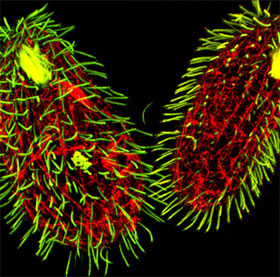
When protozoan Tetrahymena thermophila mate, there are 7 types of paired genes that regulate sex so the gender of the next generation will be different from their parent…
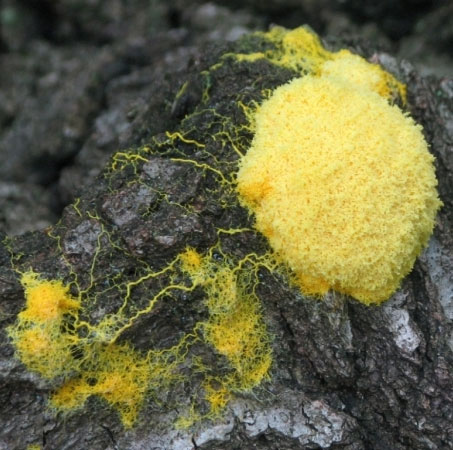
Mucilis, a protozoan, although it has no brain or nervous system but can move very smartly thanks to special memory.
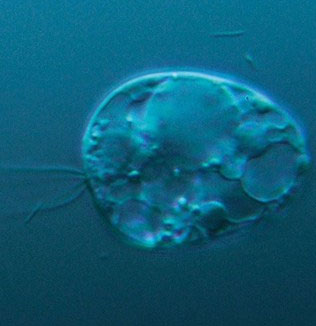
After two decades of studying a type of algae-eating microorganisms living in a lake in Norway, scientists on April 26 claim that it is one of the oldest living organism…