
Medicine - Health
The picture helps detect you have psychological problems
According to British scientists, if you look at the baby in the picture below, it is likely that you have a psychological disorder.
Browse ScienceInfo articles and explainers related to Psychological.
245 published items.
According to British scientists, if you look at the baby in the picture below, it is likely that you have a psychological disorder.

A 14-year-old boy in Mexico was especially afraid, so much so that he tried to hide or suppress the development in ways such as restricting eating and distorting his voi…

According to experts, this petty theft is a strange psychological disease.

Seeing a person scratching or yawning, you also want to follow. Researchers believe that the transmission of this behavior is caused by psychological sensations

The dream to become a happy person is not far away if you apply gold secrets below.

Nutrition experts warn that psychological clearance can be counterproductive, especially the following 5 foods.

London scientists have made a new study of the effect on the brain of ecstasy.

For some people it is a psychological problem, but for many people it is a positive action in life.

Doctors in Brazil performed emergency caesarean section for a pregnant woman 41 weeks and were in labor, but were stunned when the fetus was not found in the womb.

Recently, German scientists have classified psychological state
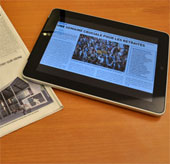
People who follow daily news about the Boston marathon bombings are more psychologically affected than those who are actually at the scene.

The psychological trauma encountered in the early years of life increases the risk of premature death by up to 80%.

Instead of having to spend money to hire people to clean and polish their cars, an odd man in Taiwan, China has a hobby of cleaning up the cars of others.

In an effort to prevent an epidemic of obesity in the country, a group of Australian doctors have adopted new treatments through a program that targets not only overweig…

People often think that the syndrome of 'hyperactivity' or 'lack of attention' in children is only 'temporary', growing up will end. But new research denies this view.