
Space science
Superstructure in space 'shades' Earth
International experts have been researching a giant sunshade placed in space to help combat global climate change.
Browse ScienceInfo articles and explainers related to Radiation.
747 published items.
International experts have been researching a giant sunshade placed in space to help combat global climate change.
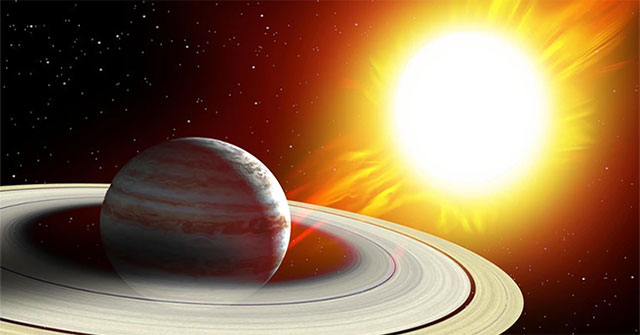
Deep in the universe, there are many mysterious planets and stars. One of them is Tabby.

Marie Curie died of aplastic anemia from working with radiation and her coffin was later discovered by excavators to be lined with 2.5 mm thick lead.

Surely many people have heard of the concept of multiverse, but many people only consider it a concept in science fiction movies, far from our real world.
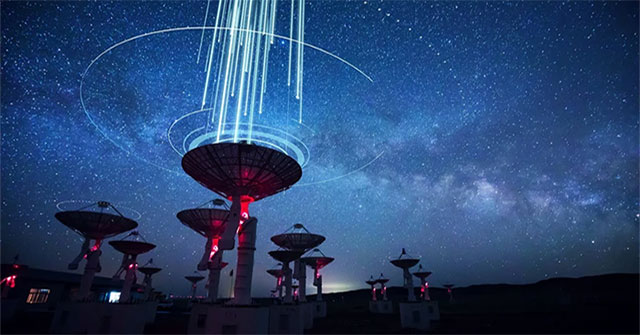
In the boundless universe, we have detected a mysterious radio signal coming from the center of the Milky Way!
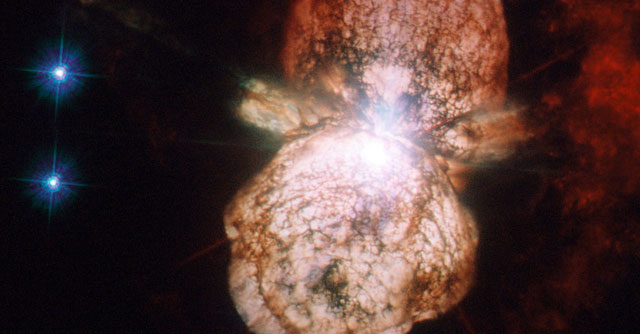
The answer is not simple and depends on the distance between the exploding star and our planet.
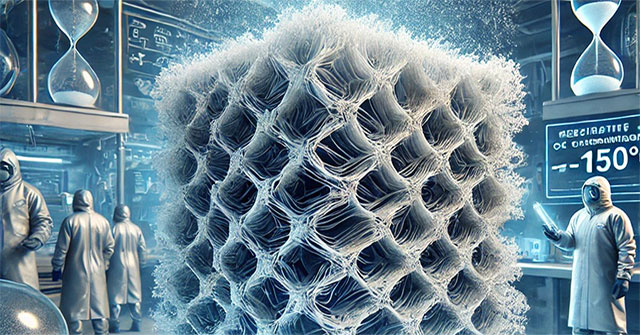
The material is expected to be ideal for making mechanical parts and structures that operate in extremely cold conditions.
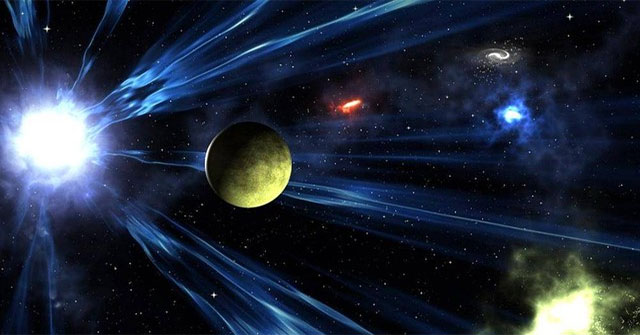
The universe, with its boundless and mysterious appearance, has always been a controversial subject and has stimulated the human imagination.
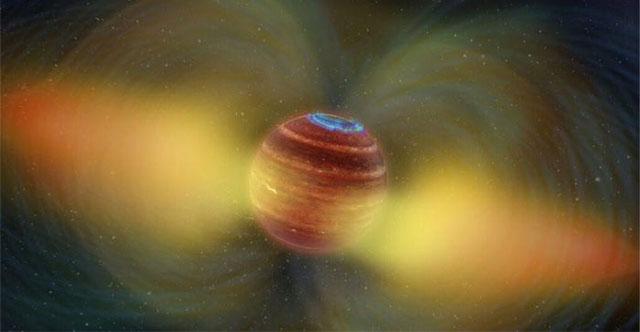
When we think about the habitability of exoplanets, the role of magnetic fields in maintaining a stable environment is something to consider alongside things like atmosp…
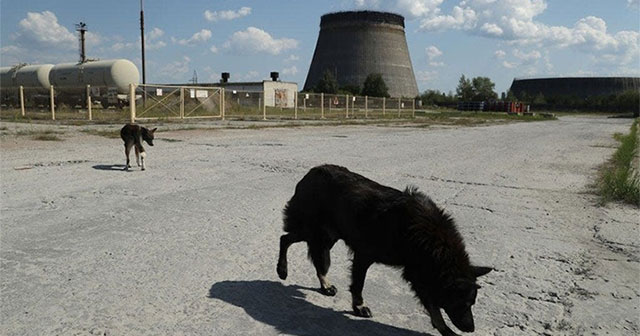
The 1986 Chernobyl nuclear disaster not only left serious consequences for the environment and human health but also became a

The KUB-M shelter is designed as a reinforced cargo container and consists of two modules that can accommodate about 54 people.
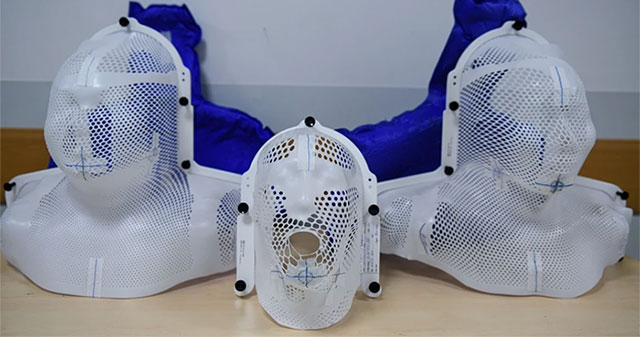
After 15 minutes of simulation, the mask used in cancer radiotherapy is completed. The mask's fit helps the patient feel comfortable and breathe normally during radiothe…
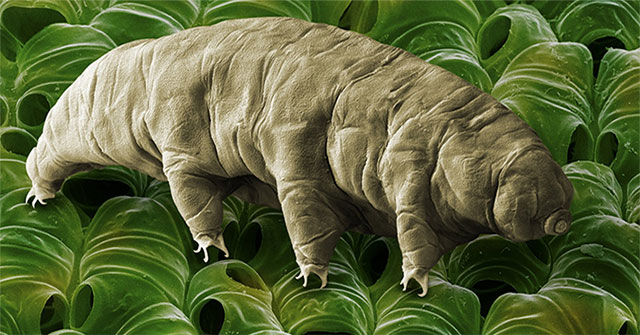
Understanding the genes that make these tiny creatures resistant to radiation could open up a range of applications, from cancer treatment to space exploration.
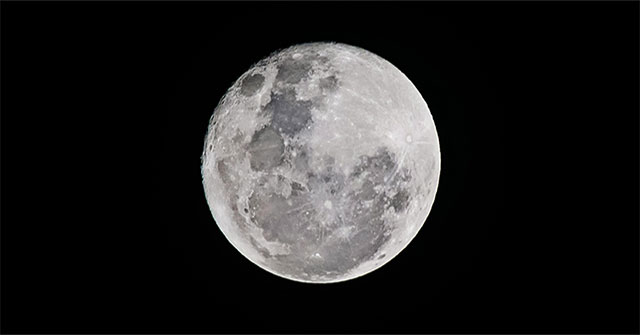
According to scientists, when the Covid-19 pandemic raged on Earth in early 2020, the Moon suddenly became significantly colder.
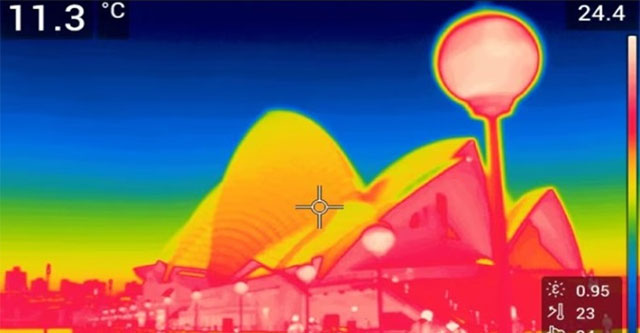
The device from the University of New South Wales team uses special semiconductors to collect infrared radiation emitted by the Earth and convert it into electricity.