Space science
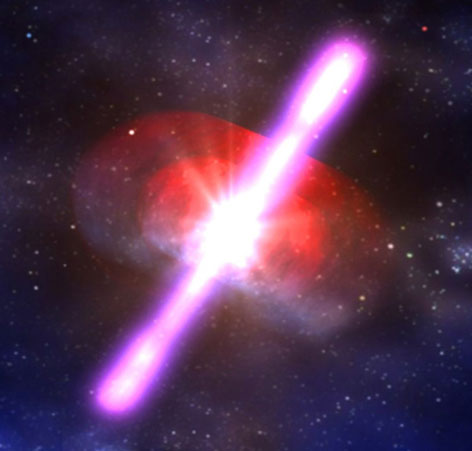
Explosions in the universe destroy life on Earth
According to the latest research by scientists, life on Earth depends very much on explosions that release radiation that occurs in the universe.
Browse ScienceInfo articles and explainers related to Rays.
477 published items.
According to the latest research by scientists, life on Earth depends very much on explosions that release radiation that occurs in the universe.
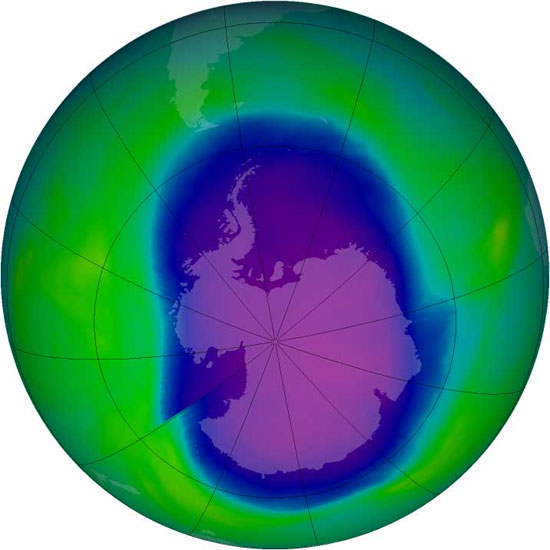
On October 4, Russian scientist Alexander Makshtas in charge of the Russian Federation's Arctic and Antarctic Experimental Station confirmed that the amount of ozone in…
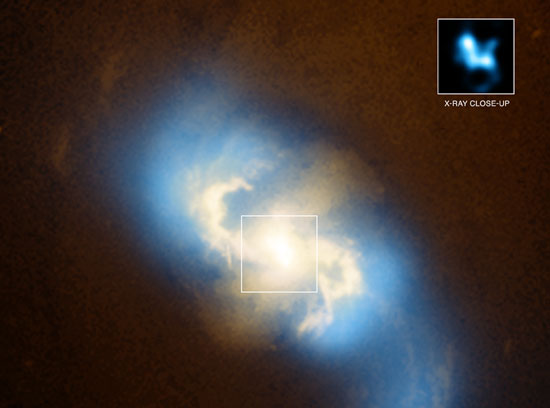
NASA on August 31 said, using the Chandra X-ray Observatory, astronomers have discovered the first pair of supermassive black holes in a spiral galaxy similar to our Mil…
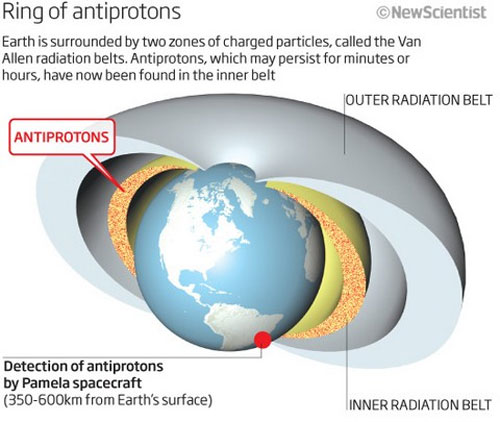
The team of scientists at Rome Tor Vergata University, Italy, discovered that the antiparticles (antimatter) appear around the earth.
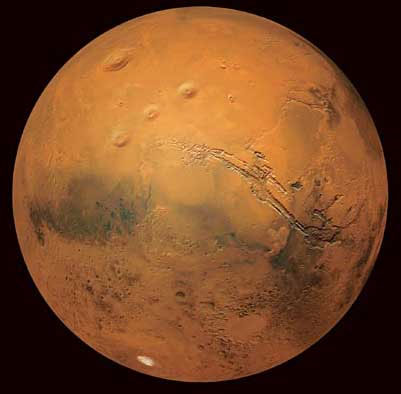

Astronomers have just completed a three-dimensional space map of the largest and most detailed type ever. Previous versions could only determine the positions of galaxie…
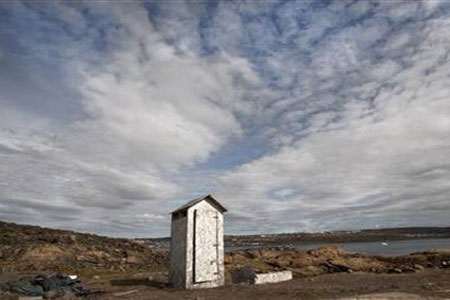
Observations by scientists over the past few months show that ozone depletion in the Arctic has reached a record, according to the World Meteorological Organization (WMO…
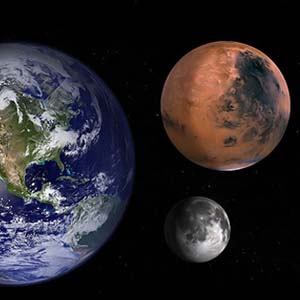
Welsh scientists, England had the idea of medieval technical reference to create cosmic techniques to make future missions more convenient to Mars.
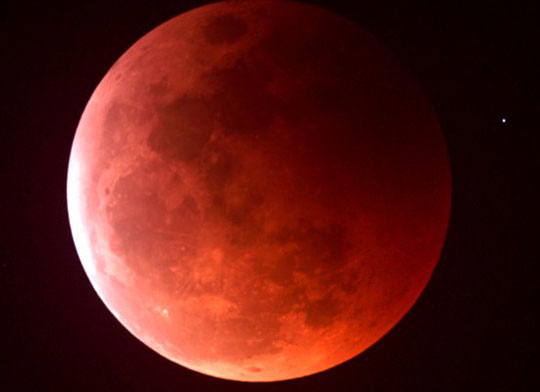
At 7:41 am on December 21 (local time) from the capital of Ireland, Reykjavik, the Moon was seen turning red.
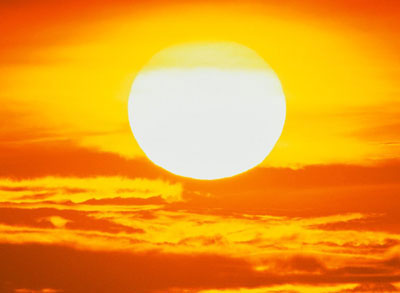
The Sun is more active than radiation, the determining factor for the structure and thermal composition of the Earth's atmosphere.
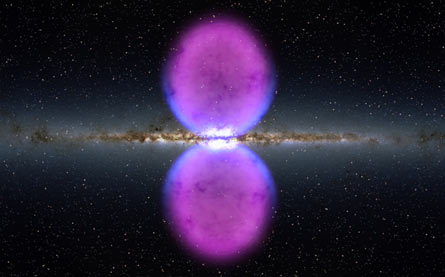
The Milky Way is blowing air bubbles into space. A twin bubble of air is blown up by gamma rays, the size of each is equivalent to the size of a small galaxy, ...
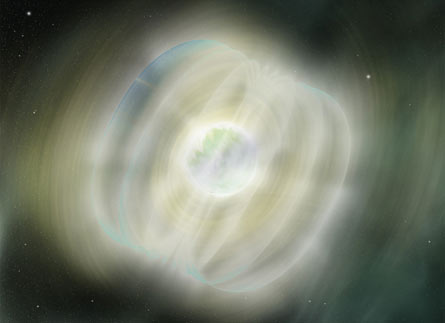
Previously, astronomers identified: The rapid rotation speed of neutron stars may be the source of some short gamma-ray bursts, creating a maximum force that causes a ga…
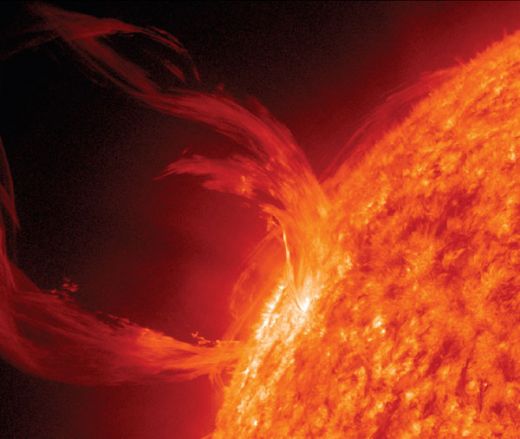
Launched in February, data from sensors of devices on NASA's Solar Dynamics Observatory ...
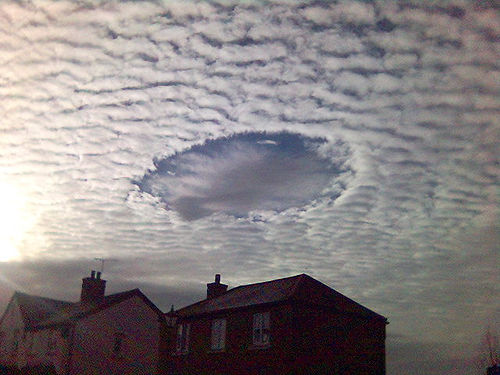
An asteroid falling into the Pacific Ocean stimulates a large amount of evaporated seawater, thereby creating an ozone gap.

Two giant bubbles spew out gamma beams that appear in the center of the Milky Way and astronomers don't know where they were born.