Space science
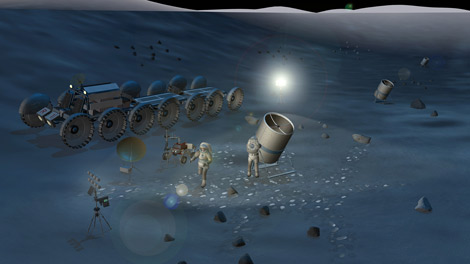
Water on the Moon can affect telescopes
A study by Chinese scientists said water on the Moon could affect their plan to install telescopes on the satellite in 2013.
Browse ScienceInfo articles and explainers related to Rays.
477 published items.
A study by Chinese scientists said water on the Moon could affect their plan to install telescopes on the satellite in 2013.
Although the increase in global temperature has a profound and profound impact on the lives of all species on the planet, but ...

The US Aerospace Agency has just released a photo showing the presence of a liquid in the northern hemisphere of Titan, Saturn's largest satellite.
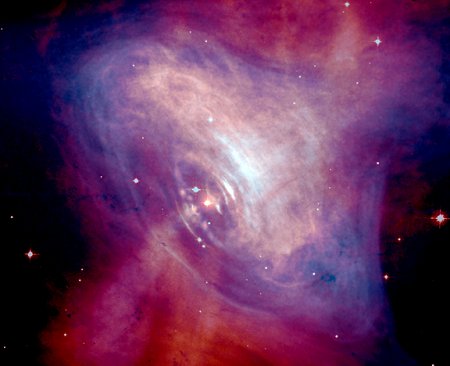
About 10 years ago the Columbia spacecraft launched with the astronomers' hopes and dreams - Chandra X-ray Observatory
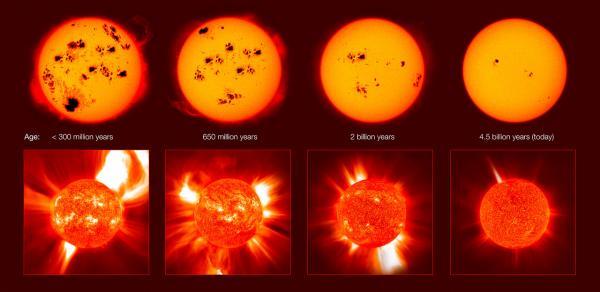
One of the hottest topics in the 27th joint study of the International Astronomical Society (IAU) in Rio de Janeiro, Brazil includes studying astronomical conditions sui…
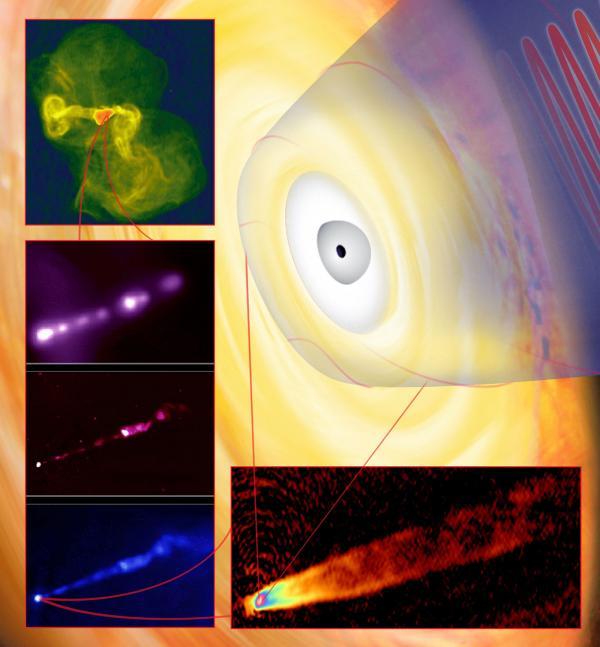
Using a combination of telescopes around the globe, scientists have discovered huge energetic gamma rays coming from an area close to the supermassive black hole.
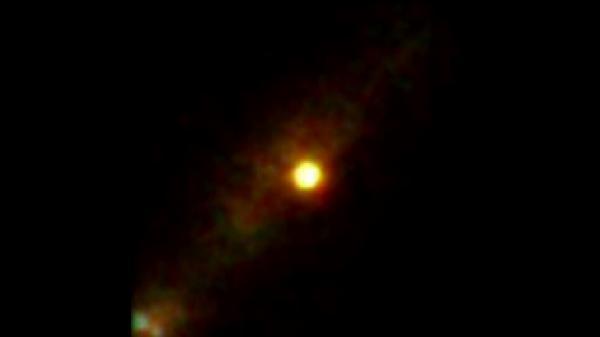
In two studies published in Science Express on July 2, the international team analyzed gamma rays from more than two dozen pulses, including 16 crystals discovered by th…
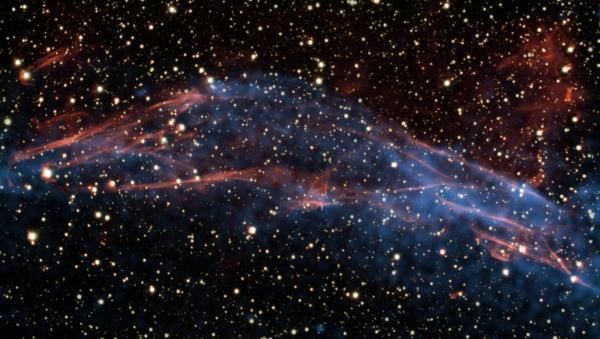
Thanks to a special study combining data from ESO's Extra Large Telescope and NASA's Chandra X-Ray Observatory, astronomers shed light on the mystery of the acceleration…
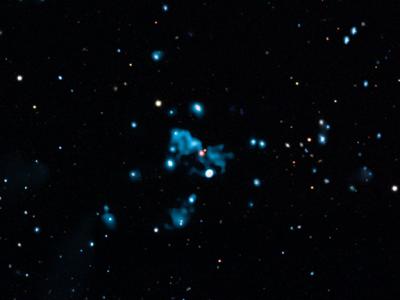
The Chandra X-ray Observatory (NASA) recently discovered a cosmic ghost lurking around a supermassive black hole in the distance.

International astronomers have just taken the most distant object image ever seen in the universe - 13 billion light-years from Earth.
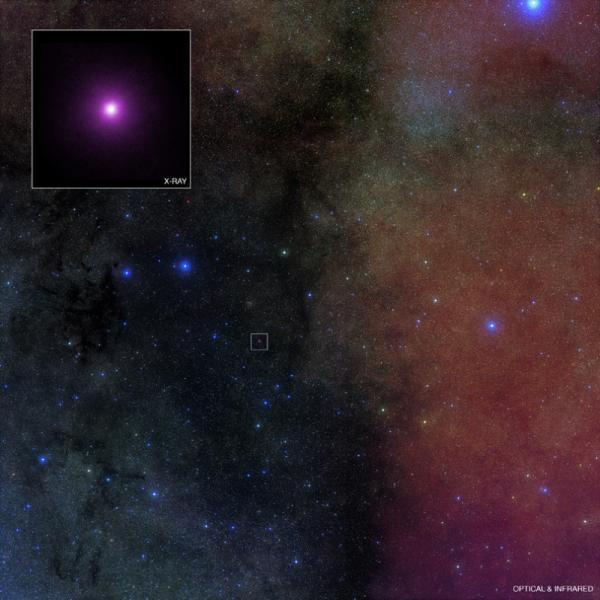
The new observation results from NASA's Chandra X-ray observatory have made a big step in explaining how a special black hole group can stop producing high-speed rays.

The Fermi telescope of the US Aerospace Agency (NASA) has discovered a massive explosion in the universe that could, according to scientists, be the largest gamma ray ex…
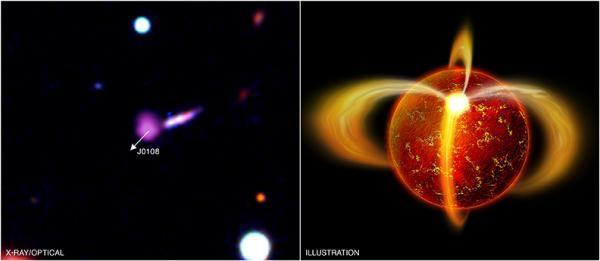
The oldest known lone asteroid has been discovered by NASA's Chandra X-ray observatory. This extremely ancient back object turned out to be surprisingly powerful.
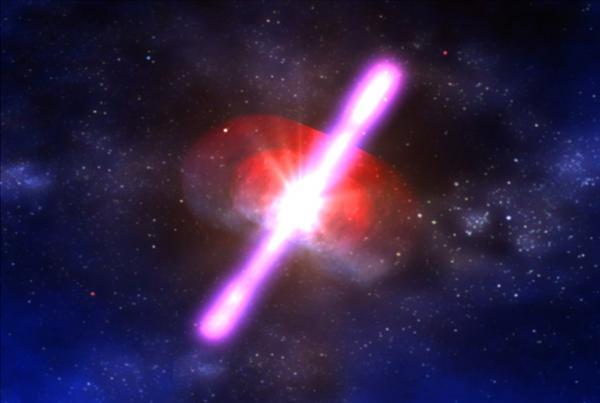
UK astronomers using the Swift NASA telescope have recently recorded information about the early stages of a gamma-ray burst.
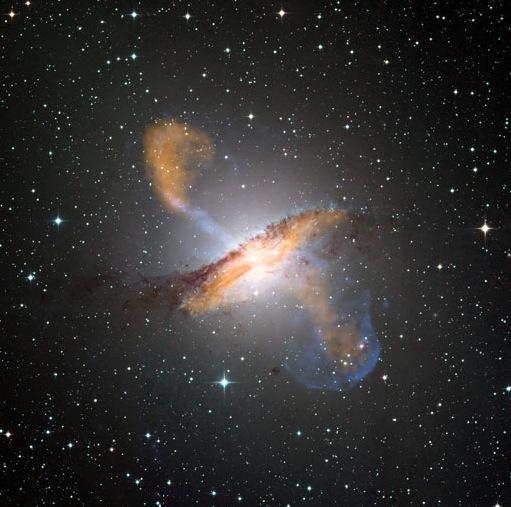
Scientists take a new look at the Centaurus A galaxy (NGC 5128) when the rays and lobes emanating from the central black hole are recorded by wavelengths of light below…