Biology
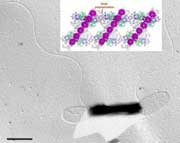
How do bacteria recognize their surroundings?
When we taste or smell, the cognitive components (called receptors) of nerve cells check for substances and send information to the brain. In the brain, many other cells…
Browse ScienceInfo articles and explainers related to Recognize.
237 published items.
When we taste or smell, the cognitive components (called receptors) of nerve cells check for substances and send information to the brain. In the brain, many other cells…
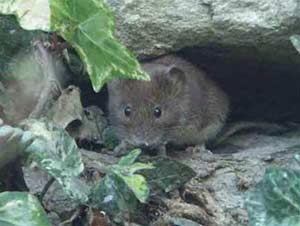
Professor Gary Beauchamp and colleagues from Monell Sensory Chemistry Center in Philadelphia, Pennsylvania, have discovered that mice can recognize older animals through…
Scientists believe that research can provide hope for treatments for Alzheimer's disease.
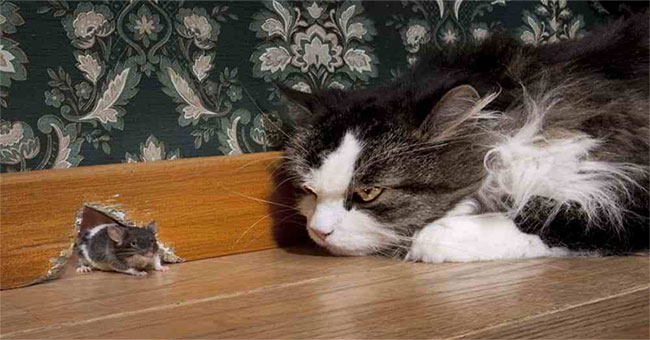
Cats have to catch mice - this is a thousand-life concept that we all have to recognize. So logically, a city has a lot of cats.
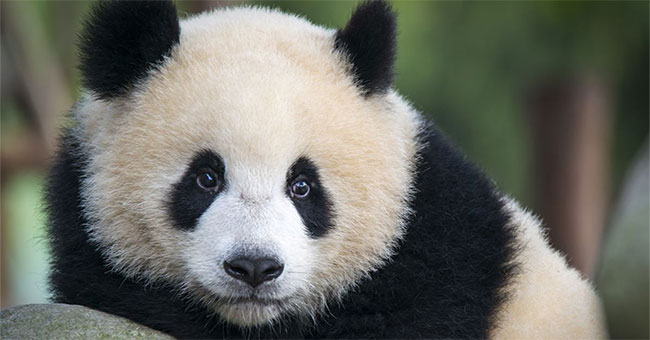
According to research, pandas can recognize each other from their sheep-like beeps from distances of up to 20m.
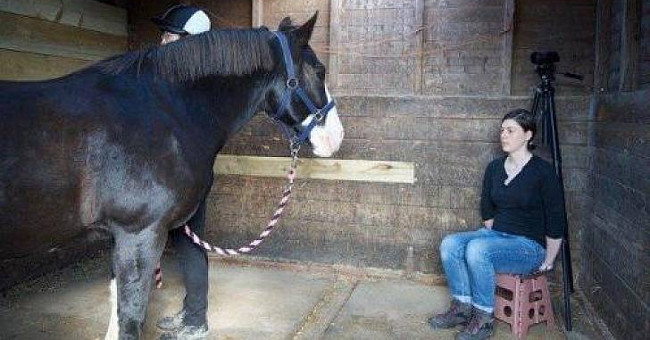
The University of Sussex team and the University of Portsmouth found that horses were able to recognize their faces and expressions, UPI reported on April 26.

The lone male leopard is difficult to recognize because it hides behind the flock of sheep, patiently waiting for the most appropriate moment to grab the prey.
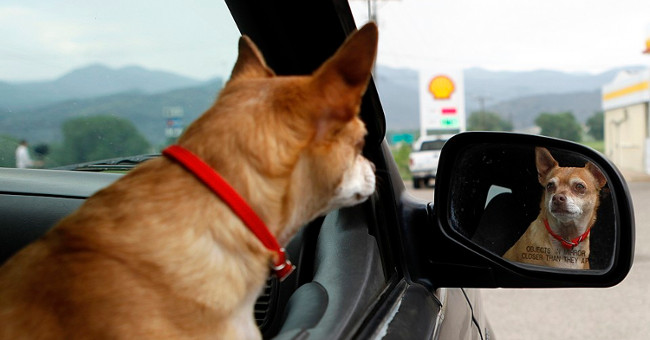
For decades, scientists have examined the intelligence of animals by observing whether they can identify themselves in the mirror.
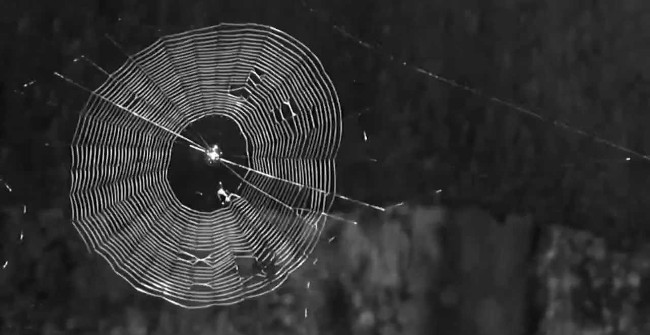
With only 4 minutes, you will be watching
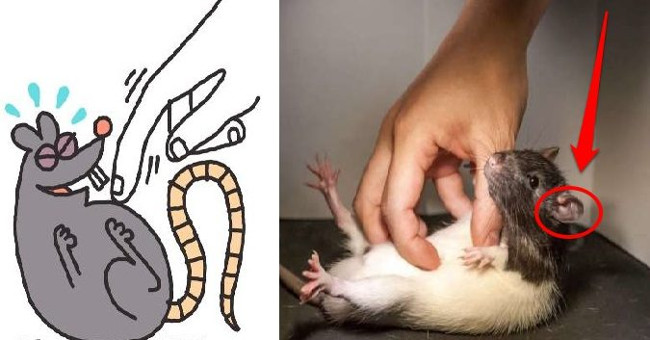
A new study shows that, similar to how people laugh to express satisfaction, rats will relax their ears, which will then flush.
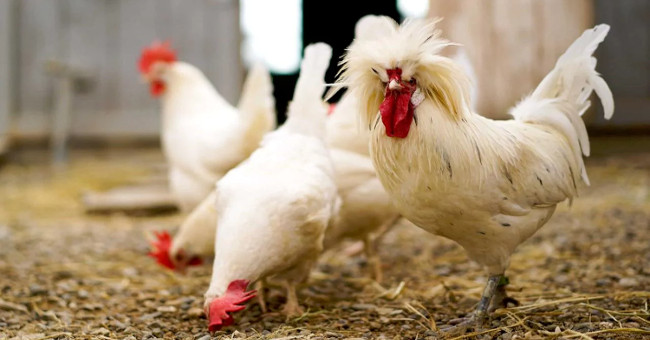
Scientists conclude that chickens can curb, recognize numbers and have better logical reasoning than children.
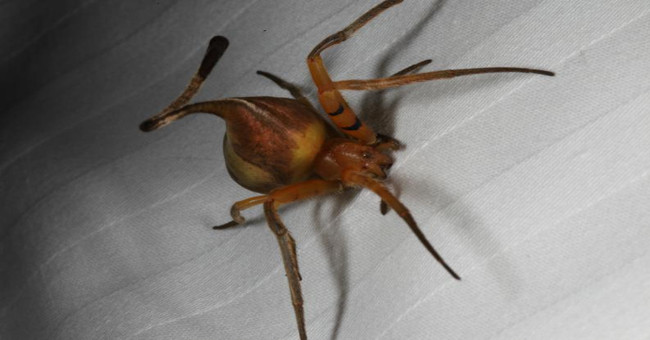
Scientists have discovered a unique leaf-shaped spider that has absolute perfect camouflage ability in tropical rain forests and a nesting behavior combined with a leaf…

Doves are known to be more intelligent birds than many other birds.
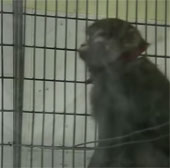
Recent research by scientists shows that monkeys can recognize them in mirrors if trained.