Medicine - Health
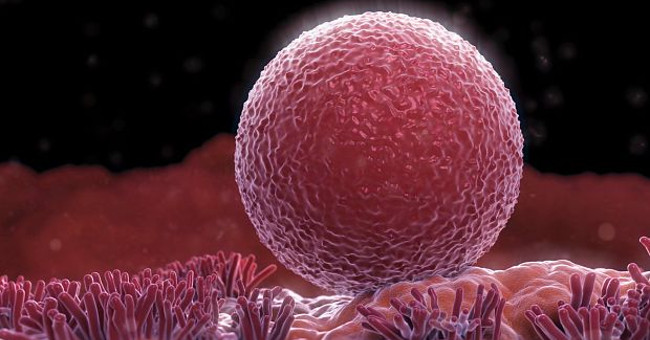
Women can produce eggs continuously throughout their lives
We always assume that women only have a certain number of eggs in their lives. Therefore, current infertility treatments aim to increase conception rates in older women.
Browse ScienceInfo articles and explainers related to Reproductive.
158 published items.
We always assume that women only have a certain number of eggs in their lives. Therefore, current infertility treatments aim to increase conception rates in older women.

A 5-month-old boy in the US became the first baby in the world to be born with a new technique of combining DNA from three people.

Newly designed tools that can be attached to smartphones will help gentlemen know their sperm condition without having to see a doctor.

Researchers have developed a new device that can select the best sperm in millions of sperms in just 30 minutes for use in assisted reproductive technologies such as in…

Marriage is an evolutionary step of the human race from polygamy to protect reproductive health, ensuring good maintenance of the race.
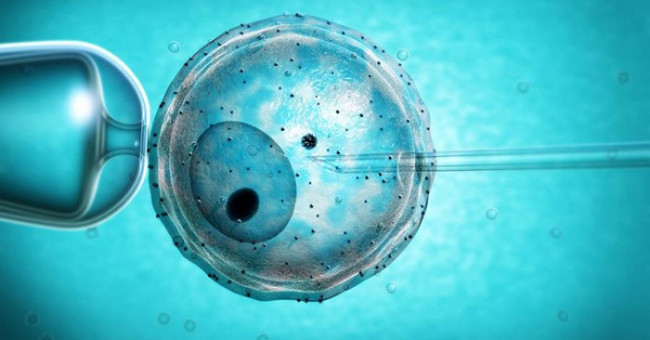
Scientists have discovered a new threat that can greatly affect in vitro fertilization technology.

Chinese cartoon stickers contain chemicals that affect reproductive organs, even lead to cancer if absorbed by the body.

Bisphenol-A, a controversial chemical used to harden packaging for many types of food in plastic bottles and cans can affect human reproductive health.

Scientists in the US say that eating a lot of salt, 3-4 times the prescribed amount in a day or eating too little salt, will delay puberty in children.

British researchers found that a substance added to water could increase fertility in frogs, fish and other organisms. They believe that this substance can also work wit…

Vitamin A is indispensable in promoting good vision, immune system function and even ensuring reproductive health (especially in women).
Young women with early menopause still have the opportunity to become mothers by technology
After the Japanese scientists created eggs and sperm in the laboratory, experts are trying to find ways to use these cells safely.

Some previous studies have shown that night shifts make people sleepless and disrupt the biological clock. However, very few researchers consider the effect of night shi…

Scientists in Australia found that a protein in a woman's reproductive tract at low levels makes women more susceptible to sexually transmitted diseases, according to Sc…