Discover science
How dangerous is the lost radioactive pill in Australia?
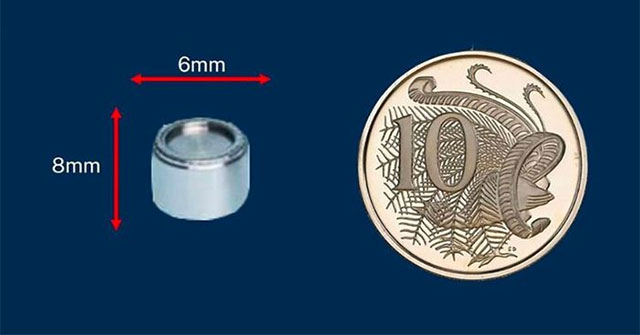
A lot of work needs to be done to find the radioactive lump, only 8mm long and 6mm in diameter, lost over a distance of 1,400km.
Browse ScienceInfo articles and explainers related to Rio.
55 published items.
A lot of work needs to be done to find the radioactive lump, only 8mm long and 6mm in diameter, lost over a distance of 1,400km.

A giant ancient island now located at the bottom of the Atlantic Ocean may contain huge reserves of rare earth elements and many other valuable minerals.

Family members are stunned to learn that their pet turtle is still alive after 30 years.
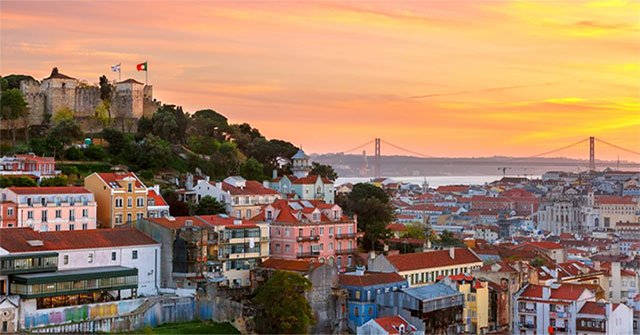
Despite being only the capital of Portugal for 13 short years, this period made Rio de Janeiro grow rapidly, becoming the most prosperous city on the continent of South…
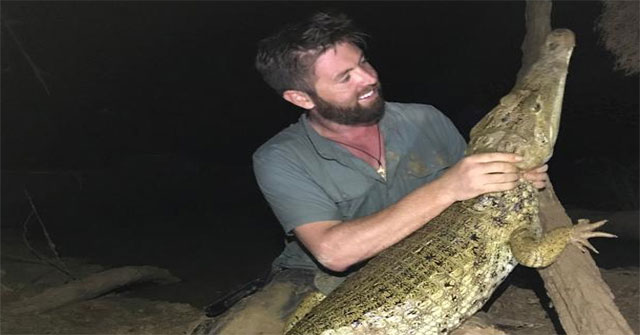
Wild biologist Forrest Galante found a Caiman Rio Apaprois crocodile for the first time in decades of absence.
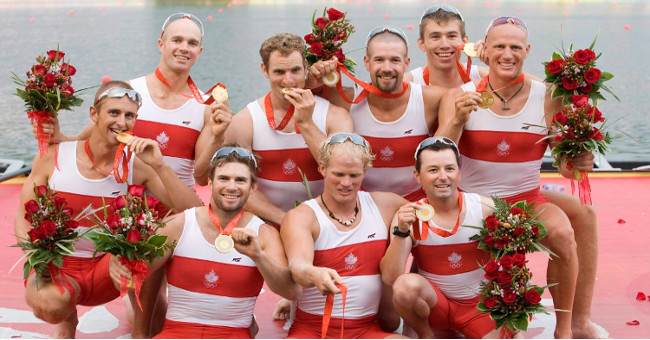
In any individual sport, medal athletes regularly bring this precious object to their mouths and bite the bluff even though few understand the reason behind the action.
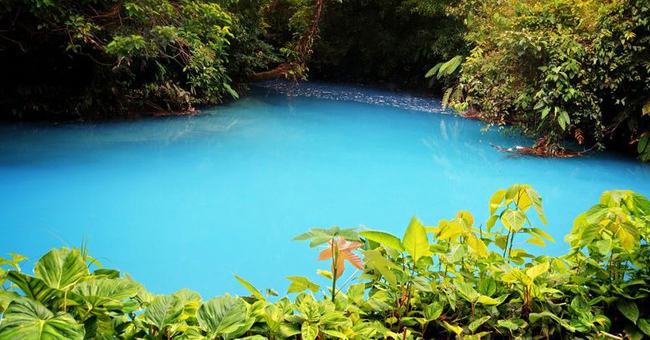
The Rio Celeste River in Costa Rica has caused scientists to mistake the beautiful turquoise color of water for many years due to the chemical reaction created.
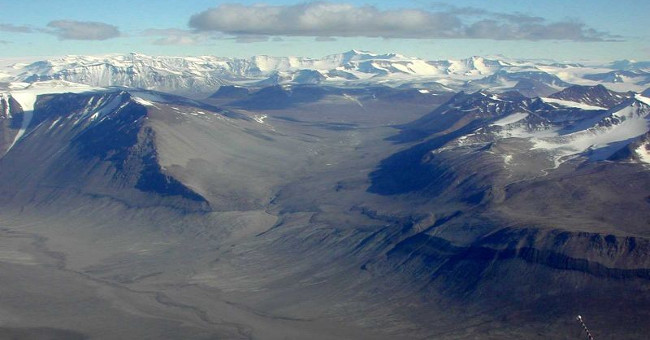
The Rio Tinto River, Devon Island, Kilauea volcano, are three of the places on Earth that resemble planets and moons in the solar system.
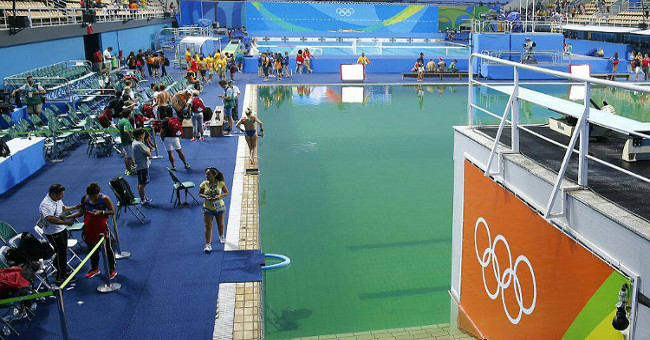
Authorities blamed everything from people to pH but there is no official conclusion yet.
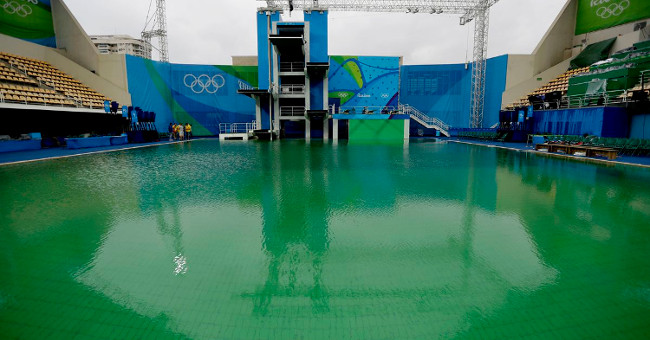
The organizers announced from yesterday that the water in the tank is completely safe, but the PWTAG team did not think so.
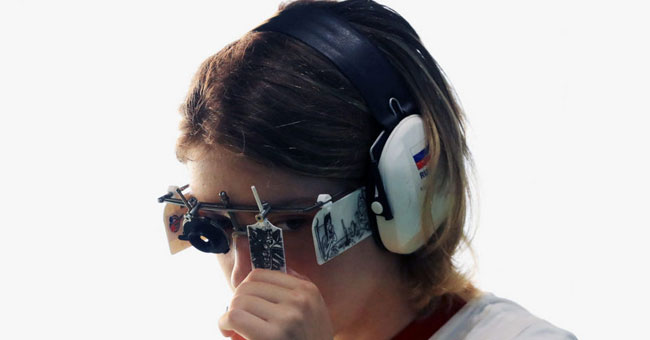
At the Rio 2016 Summer Olympics, in the shooting game, we witnessed many fierce matches, and in most of these matches, what appears most often is probably the slightly g…
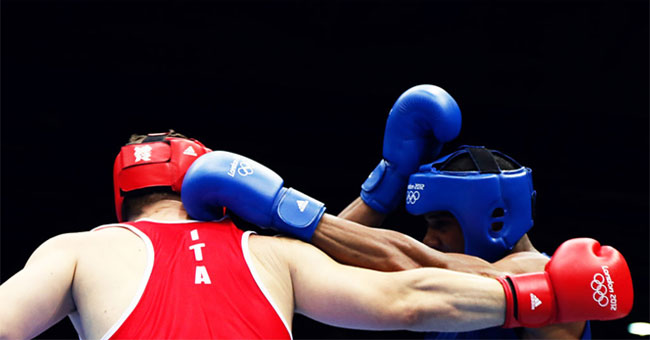
An object not separated from the boxers at the Olympics since 1984 has been removed.
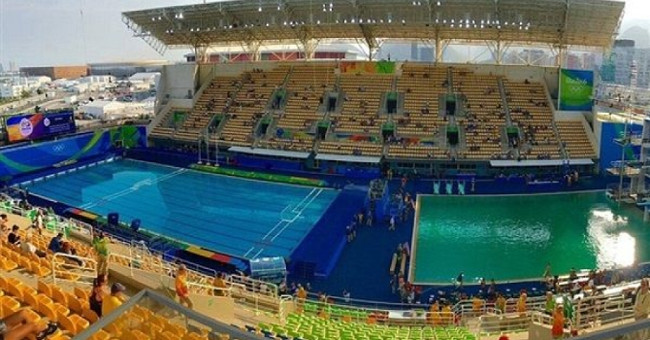
Algae blooms, copper oxidation or problem water filters are speculative reasons given by experts to explain temporarily this strange phenomenon.
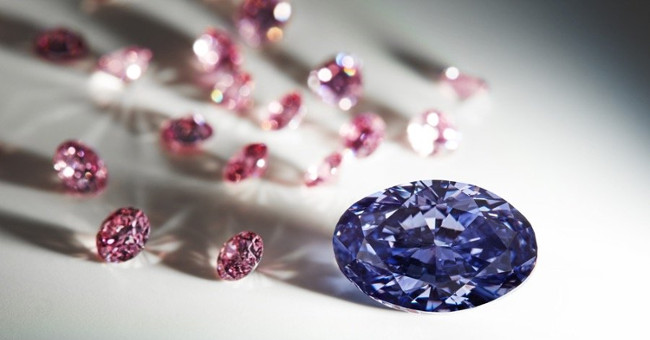
The world's largest purple diamond is found in the Argyle mine, Australia, weighing 9.17 carats.
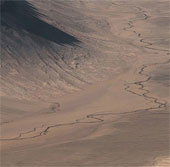
Natural conditions and landscapes in some areas of the Earth, similar to Mars or Venus, can provide research information about life on other planets.