
Medicine - Health
Eating light will help reduce premature birth rates
As recommended by the American Medical Association, if women reduce their diets by half a day, 150,000 premature births can be avoided each year.
Browse ScienceInfo articles and explainers related to Risk.
2,385 published items.
As recommended by the American Medical Association, if women reduce their diets by half a day, 150,000 premature births can be avoided each year.

According to an analysis of a related study, the attitude of anger and hostility is significantly associated with the risk of coronary heart disease.

In Ottawa a new study published in the American Journal of Internal Medicine reports that Vitamin D has more positive effects than we already know.

Ak Sinkkonen, a researcher at the University of Helsinki in Finland, said that the umbilical cord with its surrounding skin is an honest signal of a woman's fullness.

The conclusion of the team of scientists at Oxford University (UK), said that daily vitamin D supplementation can help prevent the disease.

People who live near crowded transport routes have a higher risk of a heart attack than people who live in quiet areas, Swedish scientists claim.

Women with obesity during pregnancy increase the risk of having children with birth defects.

Mediterranean diets are a factor in reducing the risk of cognitive decline

Research results of scientists in England said that drinking too much coffee can cause hallucinations.
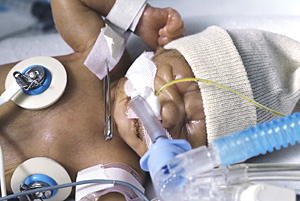
New government data confirm that the premature birth rate in the United States continues to rise, putting many newborns at risk of death and disability.

In Vietnam, coronary artery disease ranks fourth among the most fatal diseases. Here are the common questions about cardiovascular health.

A recent study shows that coffee contains powerful antioxidants that fight Alzheimer's disease.

Researchers at the University of Alberta (Canada) have published a report saying fast food may increase the risk of asthma.

According to Loyola University (USA) scientists, regular and regular alcohol consumption will help reduce the risk of memory loss or amnesia.

Obesity is known to increase the risk of chronic disorders, such as diabetes (type 2). A group of international scientists in cooperation with Germany through Helmholtz…