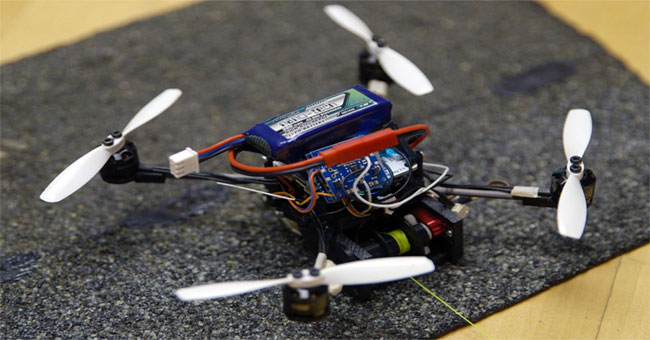
New technologyIn the document Stanford University published in Science Robotics shows that the new micro-robots can move in the air with loads greater than 40 times their weight.
December 12, 2018
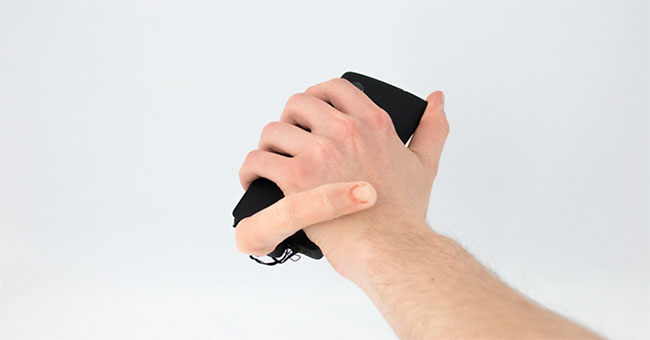
New technologyA French researcher invented a robotic finger attached to your mobile phone. The robot can look at the desk, or stroke your hand.
December 12, 2018
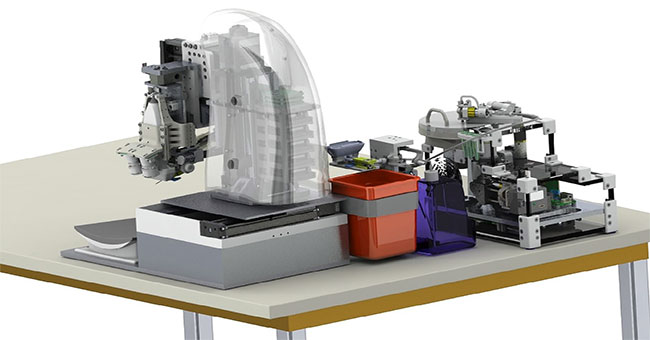
New technologyThe system includes blood-guided robots, sample processing modules and blood analyzers that provide highly accurate and fast results, according to RT.
December 12, 2018
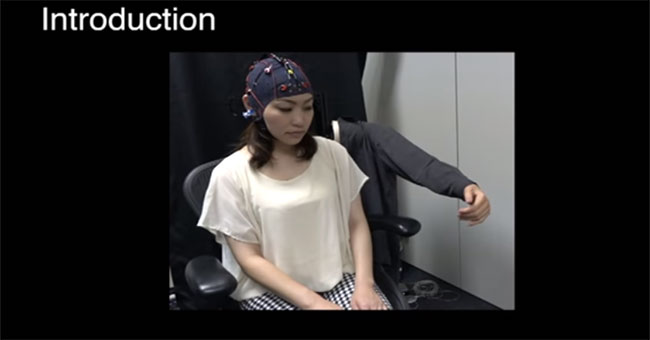
New technologyPeople who are busy often complain that they need one more arm to do all the work, but now, that may be about to come true.
December 12, 2018
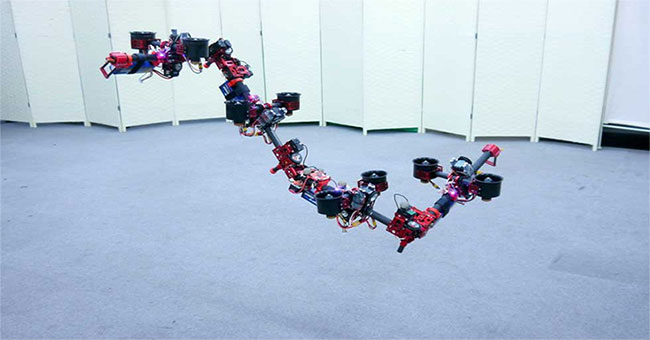
New technologyThe team of robotics experts at Tokyo University built Dragon robots with the ability to fly for a short time and rearrange their parts, Futurism reported on June 26.
December 12, 2018
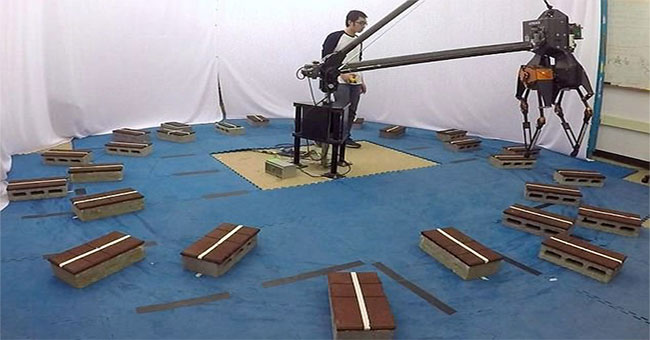
New technologyToday's movable robots often have problems in uneven terrain because each of their moves will vary in height and distance.
December 12, 2018
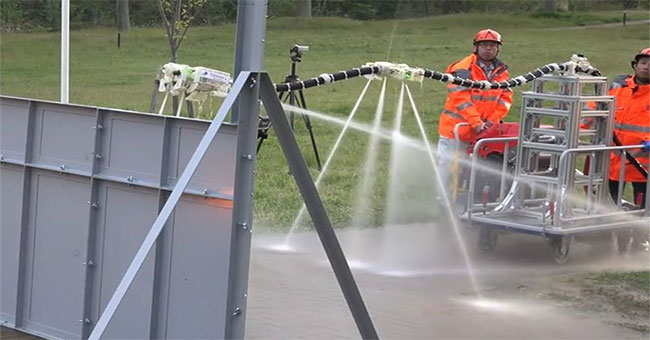
New technologyThis device is a water-spraying elephant that can automatically move, extinguish a fire, without the need for direct human interaction, like traditional nozzles.
December 12, 2018
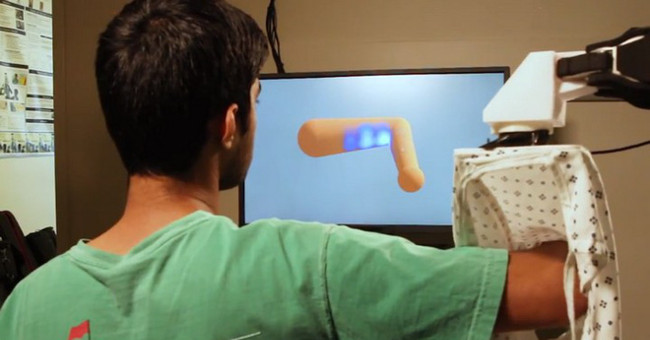
New technologyIn the age of technology development as the current storm, the robot and robot replacement we do everything is not far away.
December 12, 2018

New technologyScientists from the University of Pierre and Marie Curie (France) and the University of Wyoming (USA) say they have built this robot based on the mechanism of self-recov…
December 12, 2018
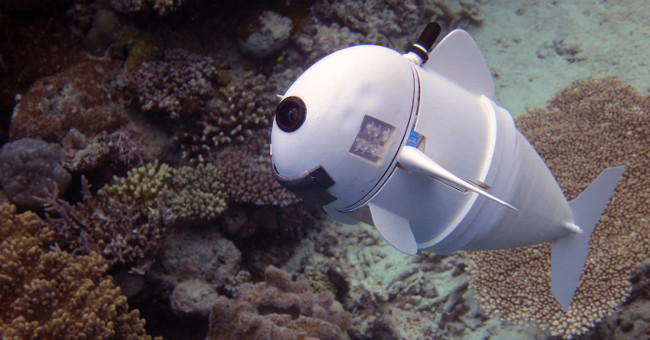
New technologyAccording to a recent report, a robot fish can open up secrets about life under the sea - where researchers cannot approach themselves.
December 12, 2018

New technologyAccording to the Asahi Shimbun, artificial intelligence is used in # 70 CUE to bring this robot the ability to observe and calculate throwing balls.
December 12, 2018
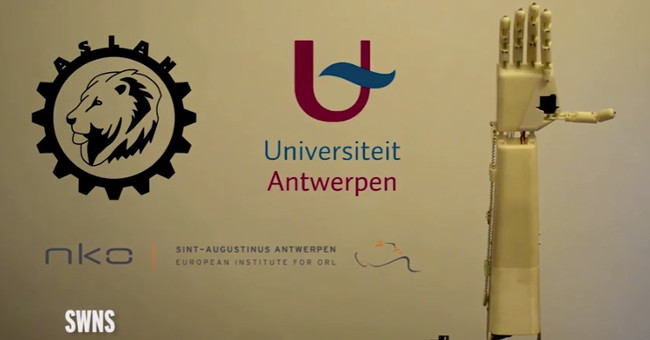
New technologyA team of students at the University of Antwerp, Belgium, created a robotic arm with the ability to translate words into sign language, making it easier for the deaf to…
December 12, 2018
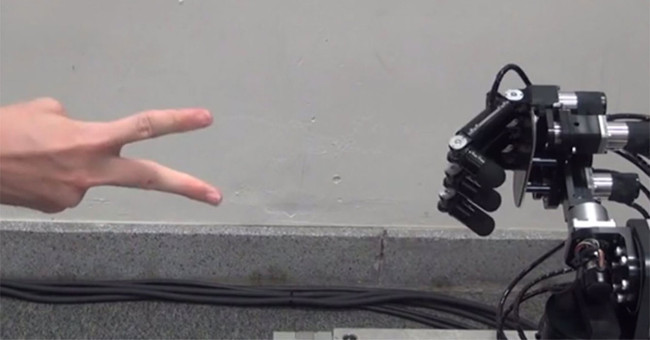
New technologyScientists at the Ishikawa Watanabe Laboratory in Tokyo, Japan successfully developed a robotic arm
December 12, 2018
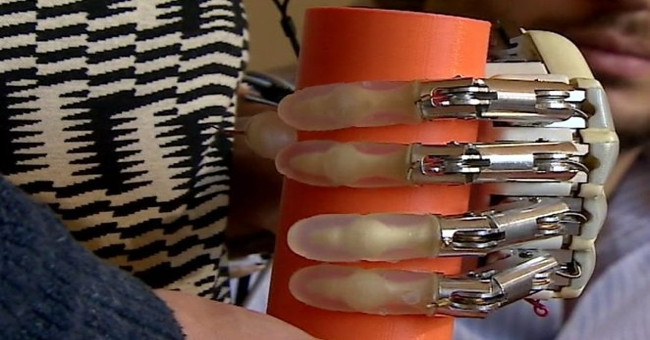
New technologyA woman who had an accident and lost her arm 20 years ago received an artificial arm, through tiny electrodes and sophisticated sensors.
December 12, 2018
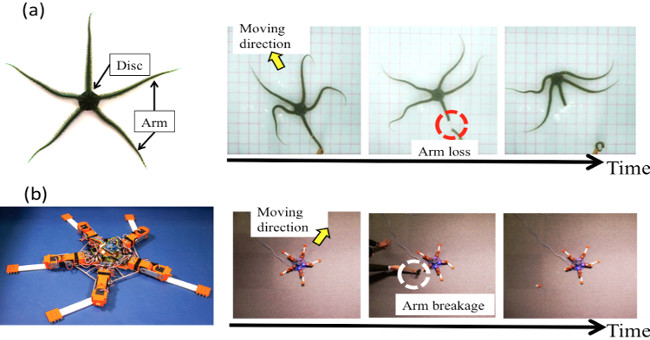
New technologyTypically, the robot takes a considerable amount of time (several dozen seconds) to reorganize after an unexpected physical damage.
December 12, 2018