
New technology
What Are General-Purpose Robots? How Flexible Robots Work
General-purpose robots are designed to perform many different tasks instead of one fixed job. They combine adaptable hardware, perception, control and AI so the same pla…
Browse ScienceInfo articles and explainers related to Robotic.
428 published items.
General-purpose robots are designed to perform many different tasks instead of one fixed job. They combine adaptable hardware, perception, control and AI so the same pla…
Humanoid robots are machines whose body layout or behavior resembles aspects of the human form, often combining sensors, motors, control software, and AI to move and wor…
Embodied AI studies intelligent agents that perceive and act through a physical or simulated body, grounding learning and reasoning in interaction with an environment.

Starship's fifth test flight confirmed that Mechazilla is not just a new landing method, but also the key to unlocking a future of reusable rockets.

When asked by her creator if she wanted to destroy humanity, the super robot Sophia responded frankly:

Artificial intelligence (AI) is not a new concept. Famous inventor Adolph Whitman created AI-powered robots more than 100 years ago.
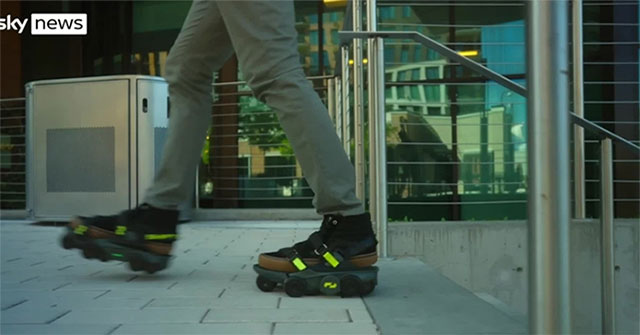
Startup Shift Robotics introduces Moonwalker shoes that can help wearers increase walking speed by 250% thanks to AI algorithms.

A service robot working at a council in South Korea was unresponsive after falling down a two-metre-high flight of stairs, marking the first time a robot has died.
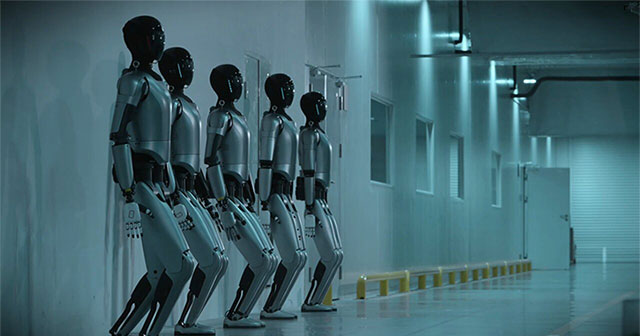
Robotics startup MagicLab introduces a fleet of humanoid robots at a factory to train them in a variety of jobs.
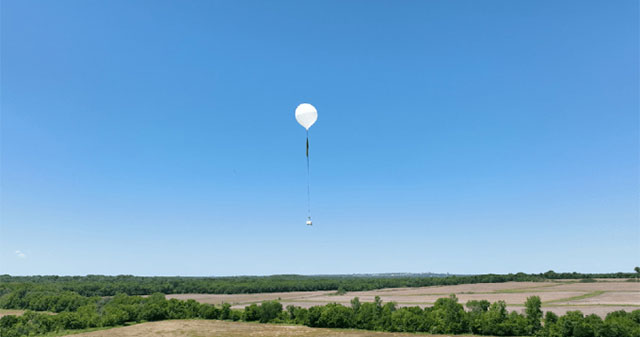
The Swift network consists of ultra-high-resolution robotic cameras that fly into the air via balloons and continuously monitor weather conditions.
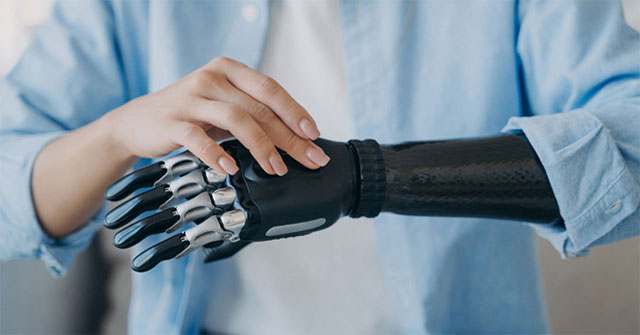
New technology from Neuralink could help paralyzed people perform simple everyday tasks without assistance.
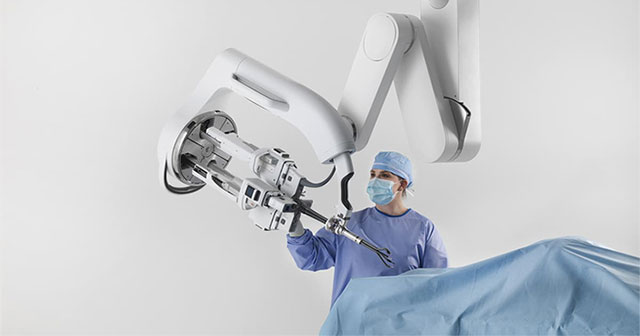
Robots with advanced artificial intelligence (AI) technology are learning to perform surgical tasks just by watching videos, ushering in a promising era of automated sur…

Flexible robotic arms not only blur the line between robots and living creatures, but also promise a new future for scientific and technological applications.
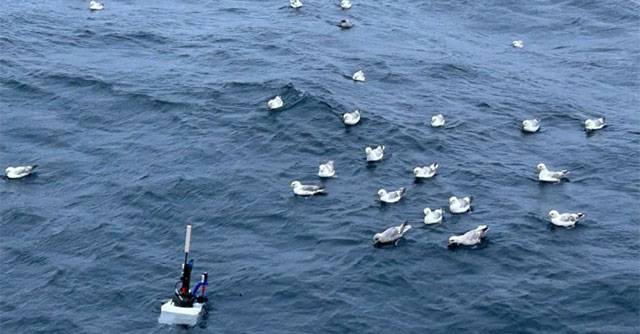
Using 903 robotic buoys, a team at Dalhousie University, Canada, estimated the global phytoplankton biomass at about 346 million tonnes, equivalent to 250 million elepha…
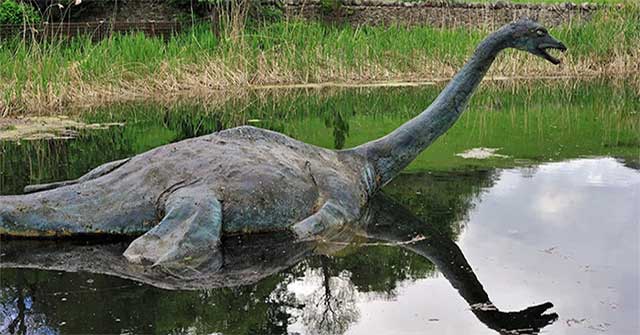
Researchers hope to be able to recreate the entire bodies of ancient creatures thanks to a new field: paleontology-inspired robotics.