
Science Events
China ranks second in scientific research
The report of the Royal Society (RS), Britain's leading Academy of Sciences, said China has just surpassed Japan, ranking second in the world in terms of the number of r…
Browse ScienceInfo articles and explainers related to Royal.
372 published items.
The report of the Royal Society (RS), Britain's leading Academy of Sciences, said China has just surpassed Japan, ranking second in the world in terms of the number of r…

Royal Group (Cambodia) announced that it had conquered Cambodia's first telecom satellite, marking a further milestone in Cambodia's integration into the ASEAN economy.
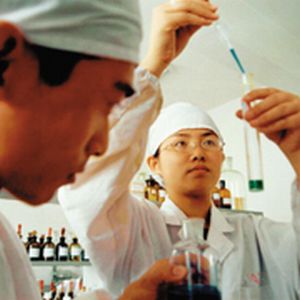
China jumped to the second position in the number of research works published in world-class scientific journals and might usurp the top of the US in 2013.
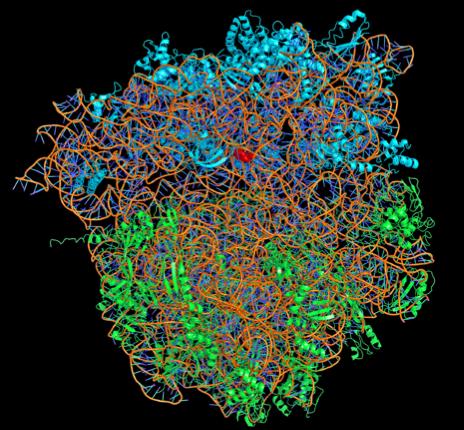
The Royal Swedish Academy of Sciences decided to award the 2009 Nobel Prize in Chemistry for achievement

The Royal Swedish Academy of Sciences yesterday announced that American economic expert Paul Krugman (pictured) is the owner of the 2008 Nobel Prize in Economics.
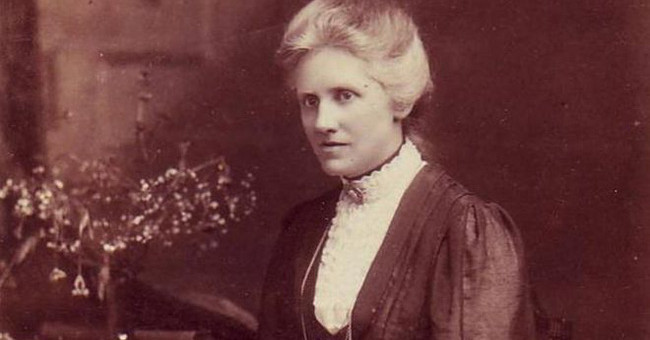
The name Annie Maunder still exists in the scientific world, but it has been lost from the memories of life.

Oscar has been dubbed Unsinkable Sam after surviving two sinking ships.
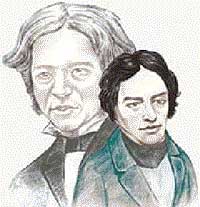
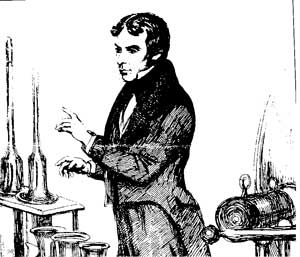
When Faraday was admitted as a professor at the Royal Academy of Sciences, every year he organized lectures on scientific universalization for young children. Every time…
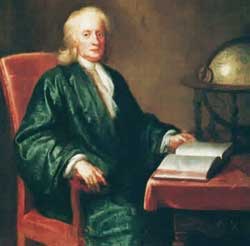
Albert Einstein may have helped find nuclear, solar, laser and even the relationship between space and time, but Isaac Newton still has a greater influence on science an…

Queen Victoria (England) suffered from a coagulation and hereditary disorder for the next three generations, while Ivan's Violence in Russia died of syphilis.

Coagulation disorder is a rare disease with a rate of one in 10,000 people. It clung to the Royal Family for a long time.

Dr. Do Hoang Tung, Vietnam Academy of Science and Technology, author of cold plasma beam projector explains this mechanism.
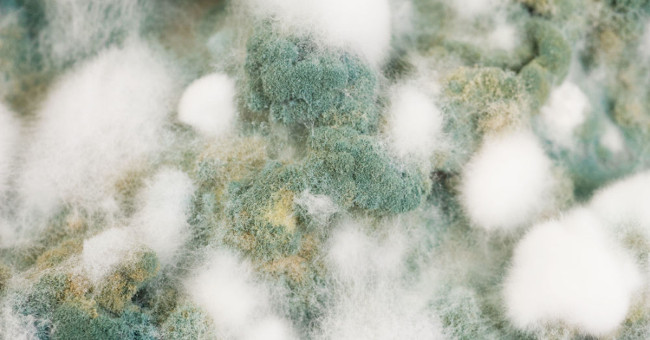
This is the conclusion of a joint study conducted by Royal College of London and Exeter University scientists, just published in the journal Science.
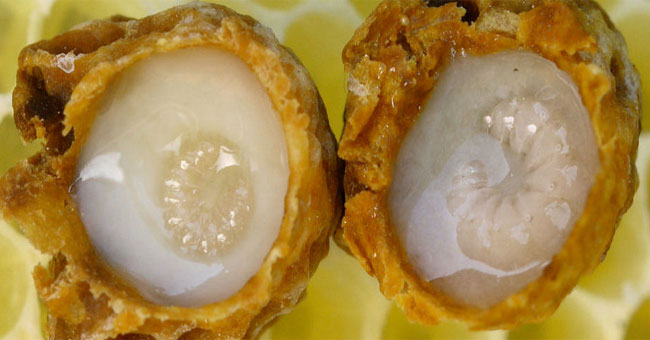
Royal jelly is the food that worker bees create to feed all larvae, especially queen bees.