World Heritage
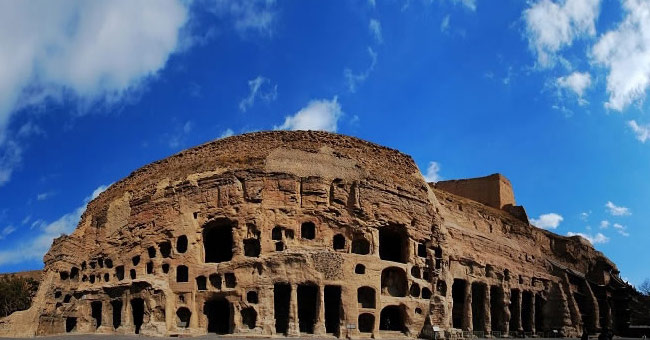
Van Cuong stone cave
The United Nations Science, Education and Cultural Organization has recognized China's Van Cuong Stone Cave as a World Cultural Heritage in 2001.
Browse ScienceInfo articles and explainers related to Sculpture.
95 published items.
The United Nations Science, Education and Cultural Organization has recognized China's Van Cuong Stone Cave as a World Cultural Heritage in 2001.
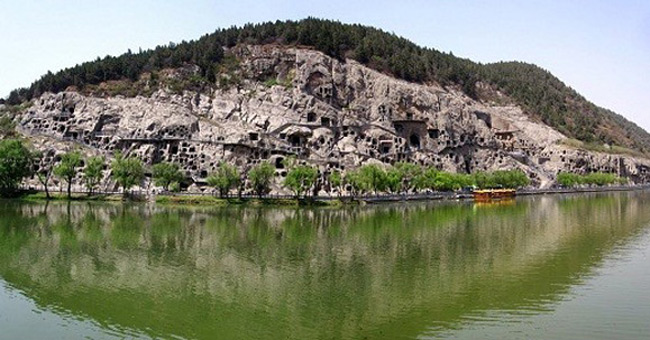
Unesco's Science, Education and Culture Organization has recognized China's Longmen Stone Cave as a World Cultural Heritage in 2000.

Unesco's Scientific, Educational and Cultural Organization has recognized India's Mahabalipuram Architectural Complex as a World Cultural Heritage in 1984.

Unesco's Science, Education and Culture Organization has recognized China's Kaiping Long Sculpture as a World Cultural Heritage in 2007.
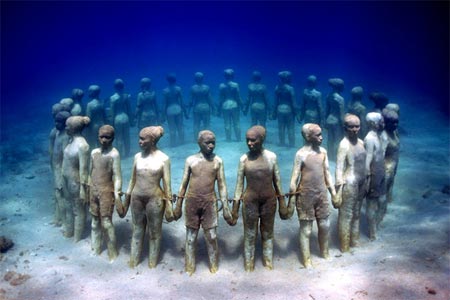
Mexico is preparing to build the world's largest underwater museum by releasing about 400 concrete statues under the Caribbean Sea ...
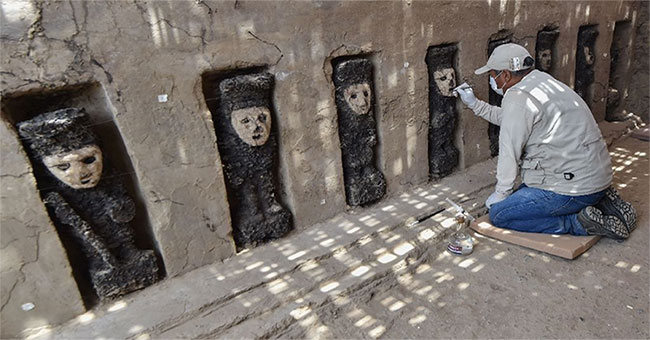
Peruvian archaeologists have discovered 19 750-year-old wooden carvings in the north of the country.
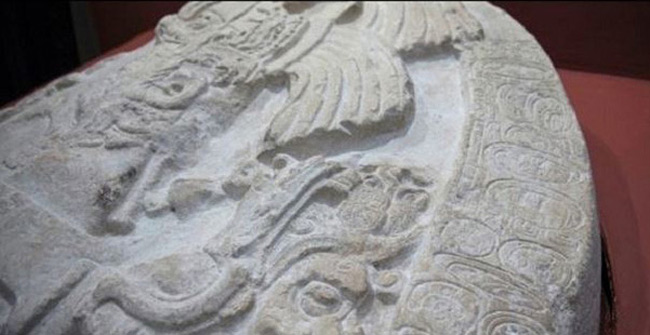
The nearly 1,500-year-old sculpture altar from the Mayan area of 'La Corona', located in the Peten region of northern Guatemala, is on display at the National and Ethn…
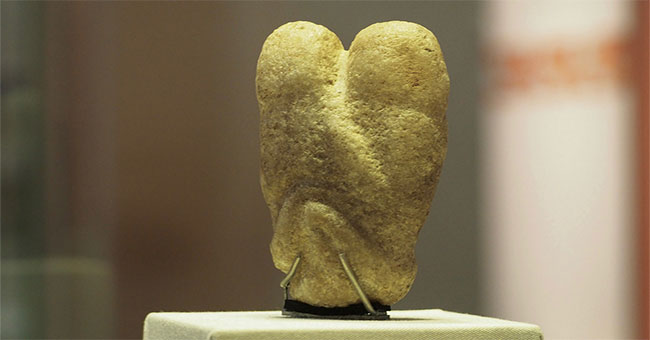

The sculpture of the head of a king dating to nearly 3,000 years made the researcher confused because he did not know the work that simulated the face of anyone, Guardia…
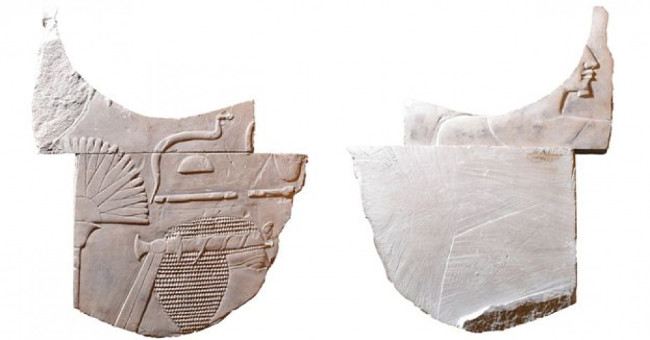
Dr. Ken Griffin and his students discovered the sculpture pharaoh Hatshepsut, one of the five pharaohs who ruled Egypt, while examining artifacts at Swansea University.
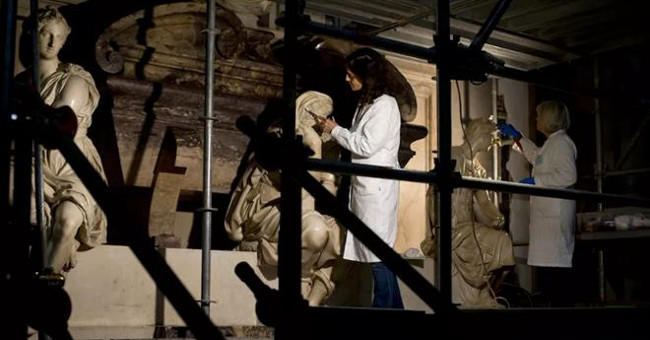
More than 100 sponsors from 12 countries around the world participated in the restoration project of the famous Renaissance sculptor Michelangelo Buonarotti in Florence,…
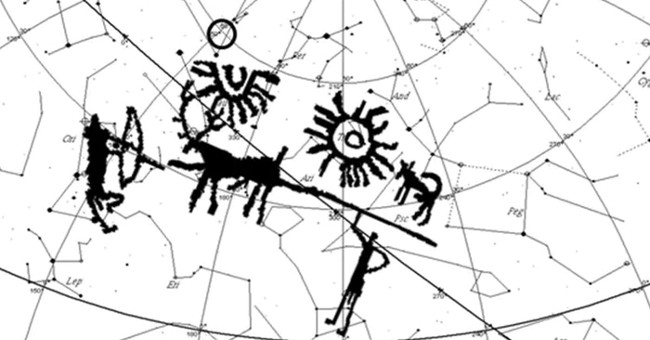
For decades, stone carvings have been unearthed in Kashmir, an area in northwestern India that is thought to depict the hunting landscape of ancient humans.
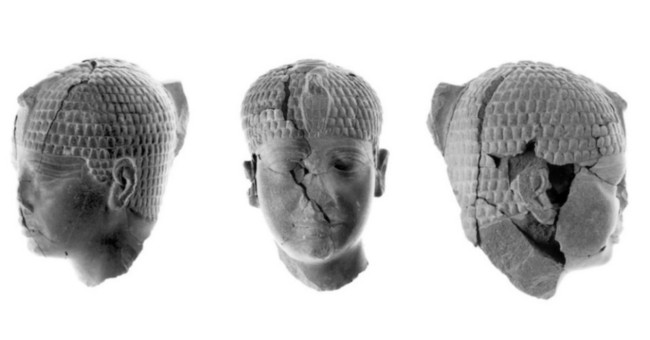
Archaeologists discovered the statue of an Egyptian head pharaoh in the ancient city of Hazor in Israel in 1995.
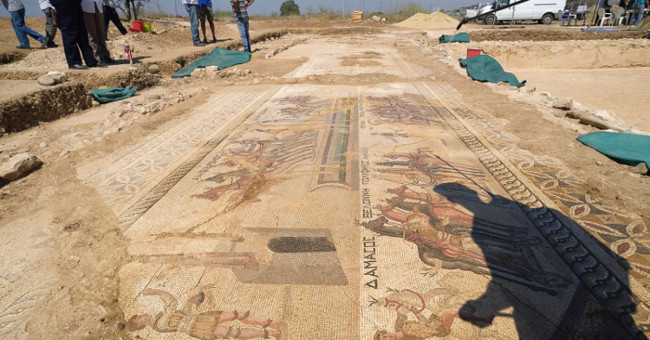
Archaeologist Fryni Hadjichristofi has discovered an almost invaluable sculpture near the capital Nicosia, Republic of Cyprus.
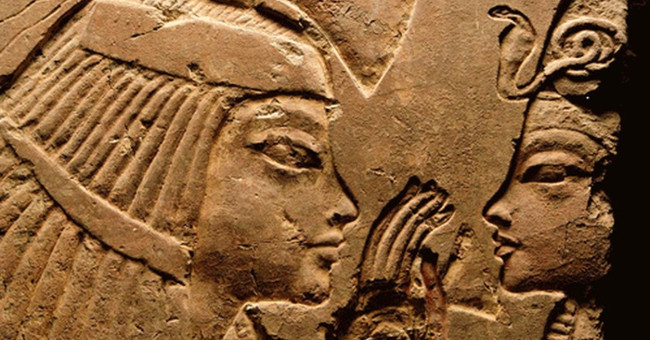
Archaeologists believe Maia, the nanny of Pharaoh Tutankhamun, could be his sister.