Videos
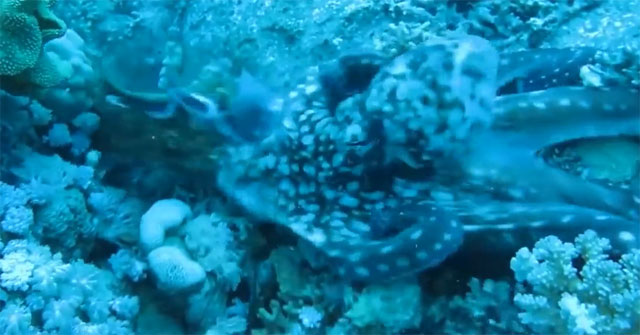
Octopus discovered 'speckled ice' under the coral reef, how will the intense war end?
An octopus has discovered a hunter lurking under the rocks of the reef.
Browse ScienceInfo articles and explainers related to Sea.
3,672 published items.
An octopus has discovered a hunter lurking under the rocks of the reef.
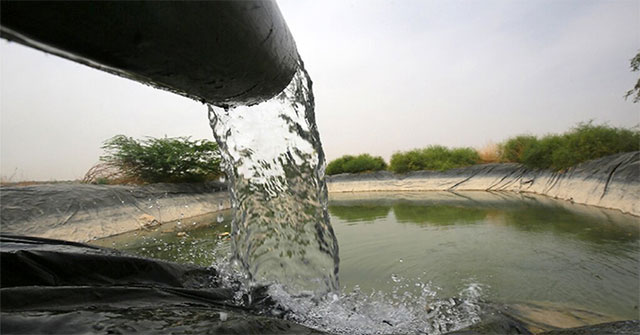
Jordan plans to build a huge desalination plant in the Red Sea to provide drinking water in the face of severe drought.

Jeanne Baret, the botanist, was born in an era when all scientific discovery was almost exclusively male.

The process of completing an undersea cable route can take up to several years, using a dedicated cable laying vessel with a pre-explored route.
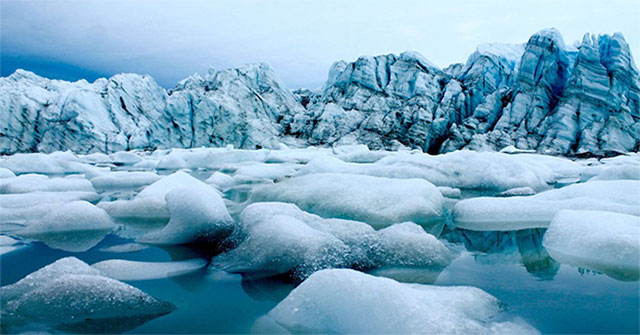
Now besides facing serious pollution of the environment or the greenhouse effect ... our Earth is facing another worrying phenomenon, which is the melting of ice. at bot…

Cases of food poisoning mainly focus on the heat phase, the cause of poisoning can be caused by chemicals and natural toxins of food, but above all, it is still caused b…
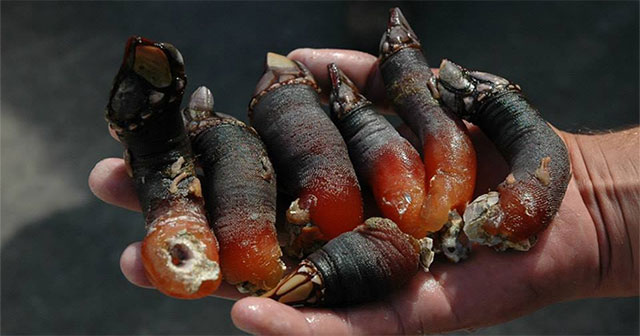
Ha geese, elephant snail, spoon worms ... are attractive dishes but have a strange shape, making customers shy. Most have a particularly delicious taste and are sold at…
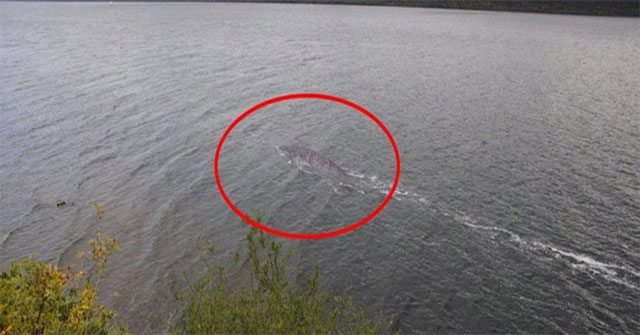
The famous Loch Ness lake in Scotland is once again stirred by rumors of the existence of a sea monster living here.
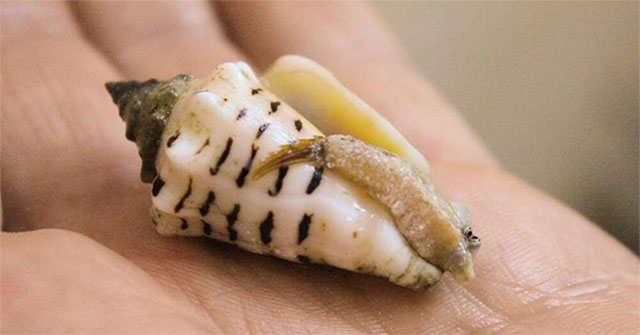
Seafood was the staple food of migrants from Africa to Saudi Arabia about 5,000 years ago.

On June 23, China completed the deployment of the North China Sea Navigation System (BDS) after its last satellite was launched into orbit the same morning.

Researchers from the University of Western Australia (UWA) discovered many underground rivers flowing along the continental shelf of the country.
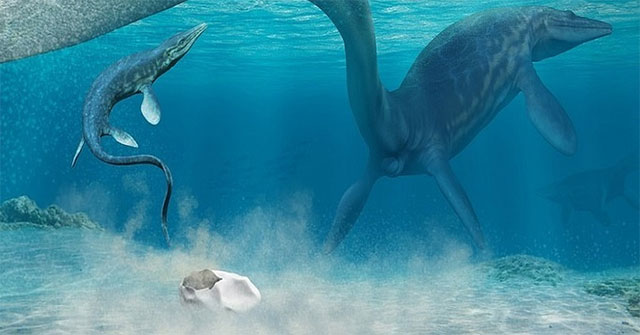
Geologists at the University of Texas found that the 28-centimeter egg belonged to a 7-meter-long sea monster that lived 66 million years ago in Antarctica.

Scientists found that people living at high altitudes were less susceptible to heavy Covid-19, because their bodies adapted to the low oxygen content in the blood.
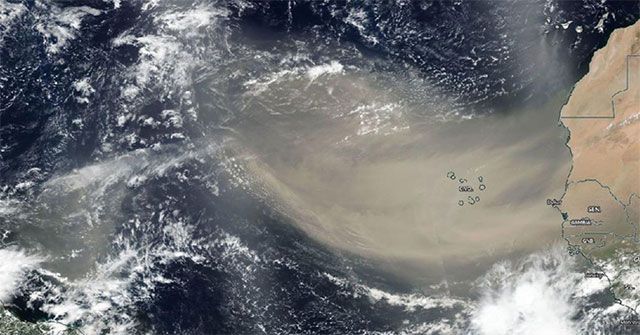
Large amounts of dust from the African desert are carried by the wind across the Atlantic Ocean, contributing to the creation of beaches and fertile soil.
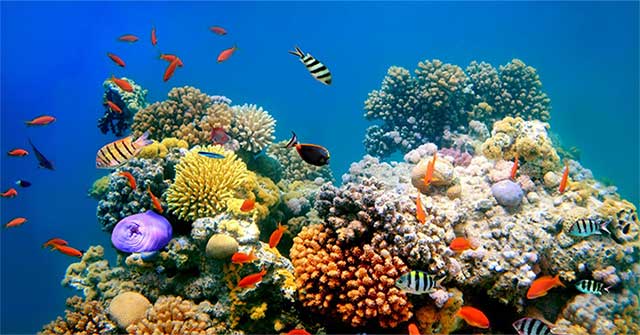
Some corals are creating a 'sunscreen' to protect themselves from rising sea temperatures, a study by scientists at the University of Southampton (UK) said.