Oceanography
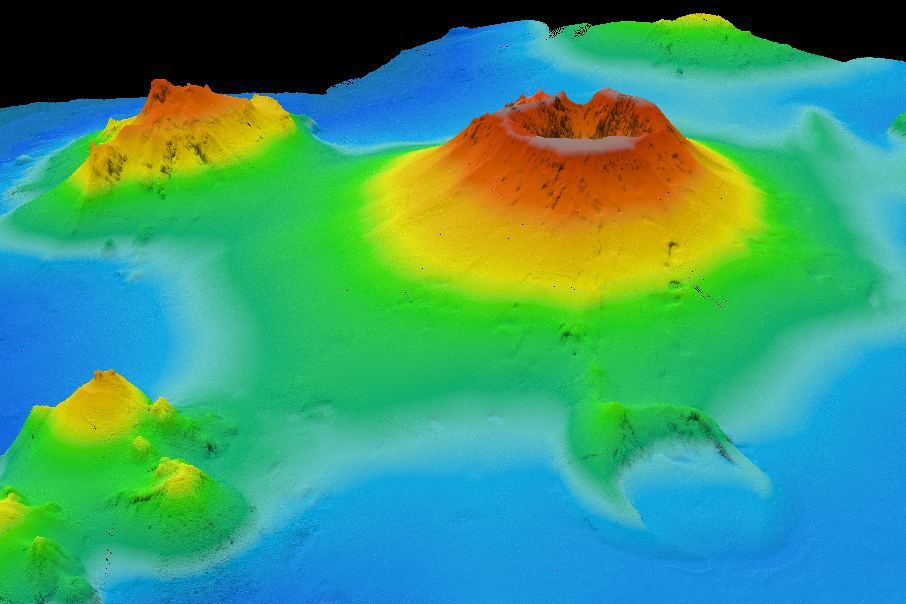
Life erupts from volcanic 'mud soup'
The seafloor's struggle to recover from Tonga's 2022 Hunga eruption is real—but tiny marine pioneers are returning, slowly transforming the grey plains into a vibrant la…
Browse ScienceInfo articles and explainers related to Sediment.
120 published items.
The seafloor's struggle to recover from Tonga's 2022 Hunga eruption is real—but tiny marine pioneers are returning, slowly transforming the grey plains into a vibrant la…

Earth has only 20 ancient lakes more than one million years old, the oldest of which formed 25 million years ago.

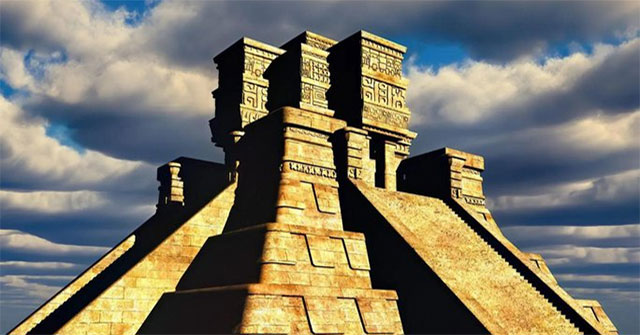
New research into ancient Mayan citadels warns archaeologists could be in danger as a ghost that harmed ancient people rises again when dug up.
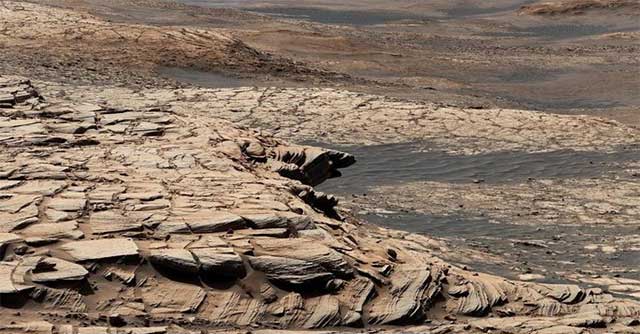
An ancient ocean as vast and life-friendly as Earth's once existed elsewhere in the solar system.
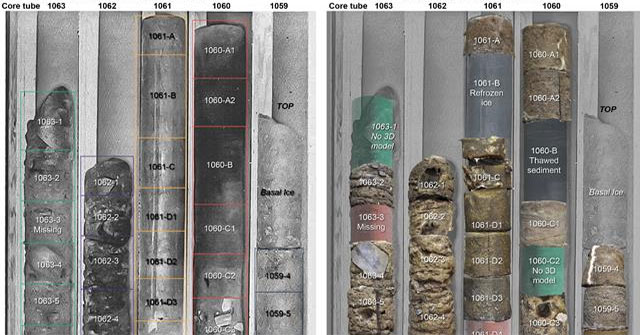
In a secret US base, scientists found a
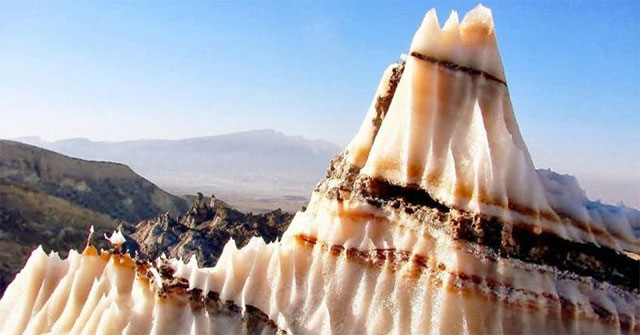
The salt dome cluster in the Zagros range was formed millions of years ago and is unique in terms of diversity, shape, formation and development process.

The terrible bone pit under the floor of a wine cellar in Austria belongs to beasts that lived about 40,000 years ago and are now extinct.
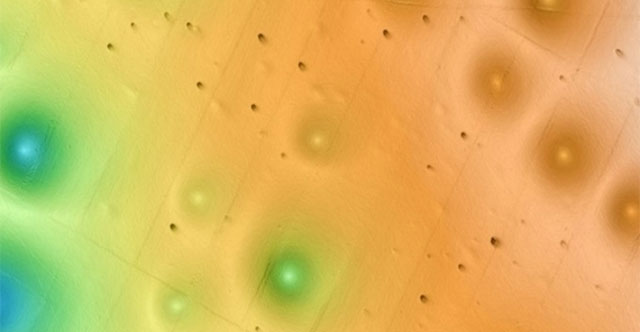
Thanks to underwater robots, researchers discovered more than 5,000 craters on the seafloor off the coast of California that were not caused by leaking methane gas.
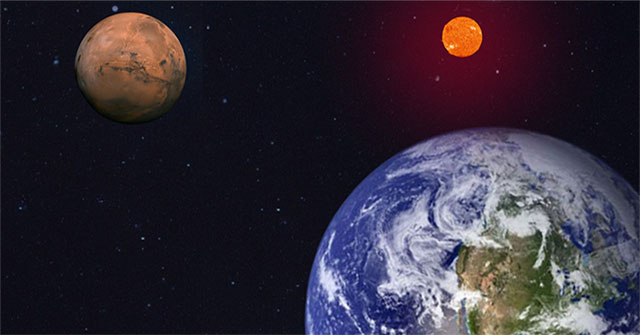
Cosmic-scale interactions between celestial bodies have a direct impact on Earth's climate and geographical characteristics.

Researchers have recently discovered a giant block of ice lying beneath sediment on Mars. The discovery could help us understand what the weather on Mars was like in the…

Throughout human history, there is one topic that has always aroused the curiosity of countless explorers: prehistoric floods.
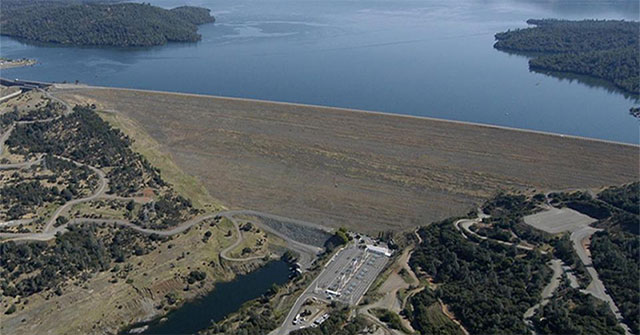
Over the past 40 years, humans have altered the world's largest rivers at an unprecedented rate.

The coal formation process requires the full and correct convergence of a series of conditions. Why such a coincidence?
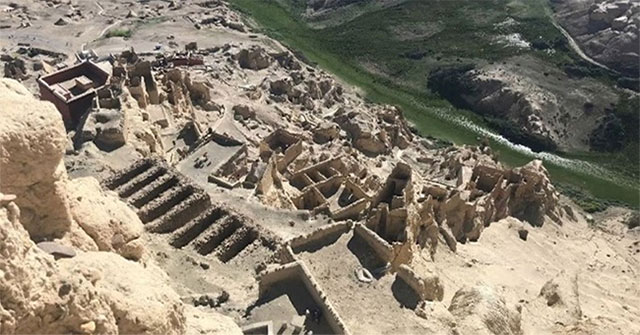
The researchers concluded that the collapse of the Kingdom of Gu Ge in the 17th century could have been caused by a drop in temperature.