
Space science
Shocking discovery about the Earth's 'tail'
Not only does Earth have an extremely long tail where the Sun cannot shine, it also uses it to transform another celestial body.
Browse ScienceInfo articles and explainers related to Shine.
51 published items.
Not only does Earth have an extremely long tail where the Sun cannot shine, it also uses it to transform another celestial body.
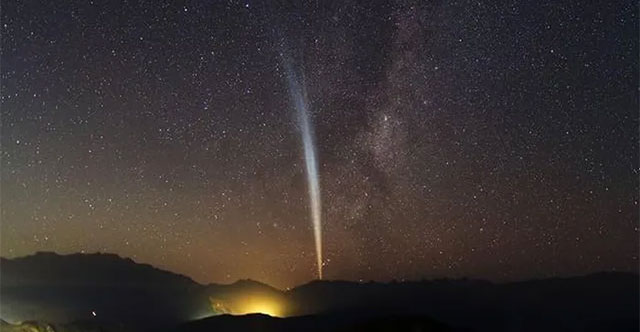
A new comet named A11bP71 was discovered on September 27 by the Asteroid Impact Last Alert System (ATLAS) and is so bright that it has surpassed Venus.

Shine 2.0 is an advanced portable wind turbine that can provide a solution for charging electronic devices anywhere, from outdoor camping trips.

The National Astronomical Research Institute of Thailand (NARIT) and the China National Space Administration (CNSA) jointly introduced lunar soil samples collected durin…
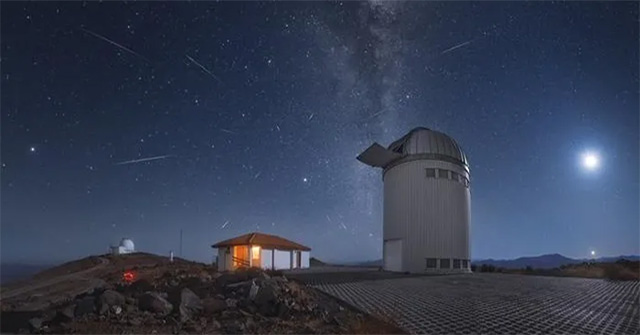
The Lyrids meteor shower takes place every year from April 16 to April 25. This year's peak falls on the night of April 22 and morning of April 23, giving astronomy love…
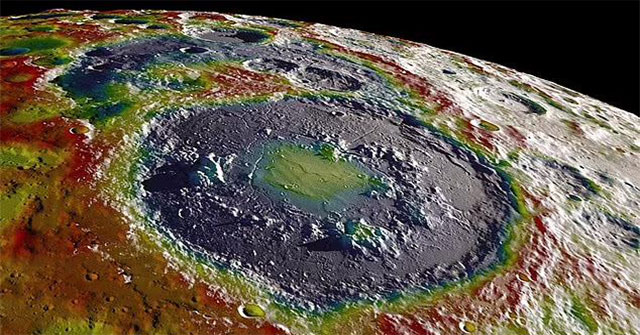
New research has found evidence of ice in permanently obscured impact craters on the Moon, which may have helped sustain the first extraterrestrial settlements.
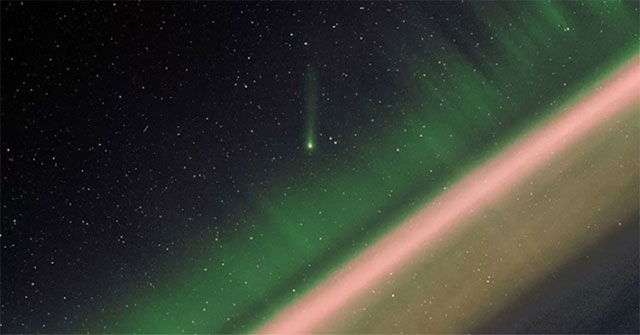
China's Yangwang 1 satellite captured the moment comet Leonard's closest approach to Earth on December 12.
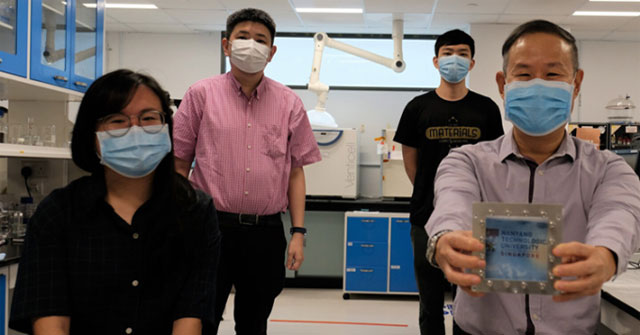
Scientists have developed a new material to cover window glass, which helps control the amount of heat that passes through depending on the season of the year.
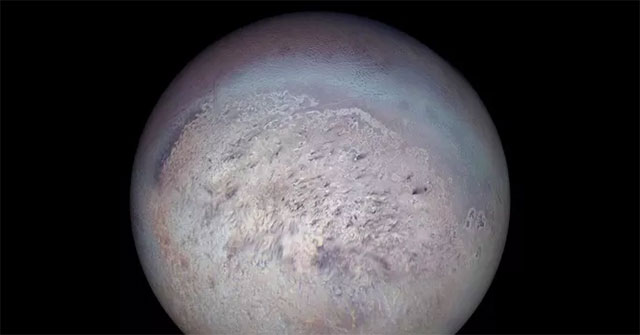
Neptune's beautiful moon, Neptune, shines a light purple through the lens of a NASA spacecraft, can possess an ocean of life.
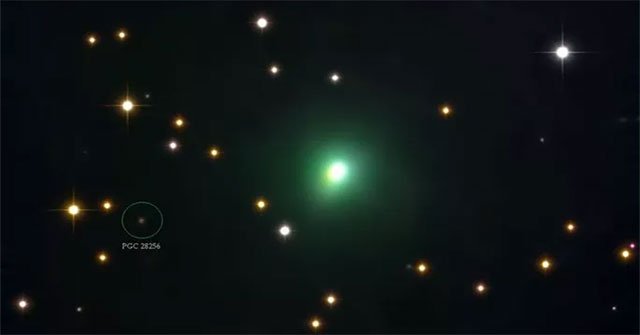
Humans will have the opportunity to admire a strange object that shines just like the moon in the sky at the end of May this year.

Many residents of the city of Khorgas in the western Xinjiang autonomous region saw three Suns hanging in the horizon on the afternoon of September 12.

Today (January 11), Google Doodle images 117 years of the birth of Evelyn Dove, the first black female singer on the BBC.
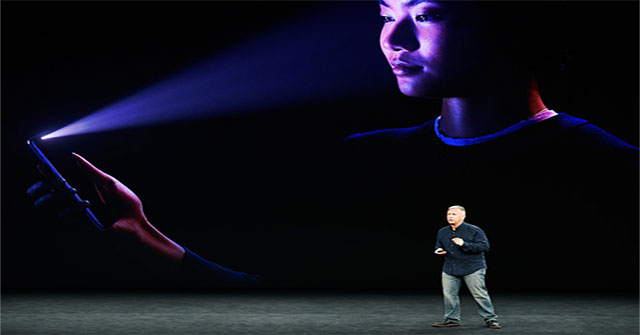
Face ID, Iris Scanner and some other face and iris recognition technologies are using infrared to shine directly into users' eyes.
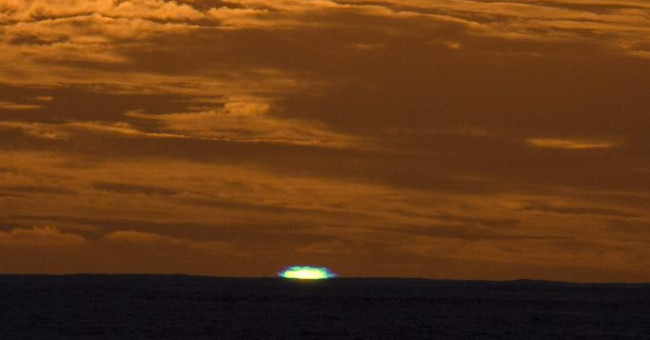
A photographer captures the moment when the Sun sets with the bright green halo above.
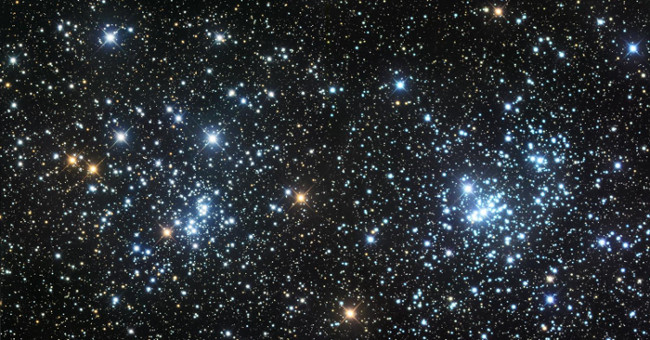
The vast majority of stars heat and shine continuously but why can't they see in the daytime?