Space science
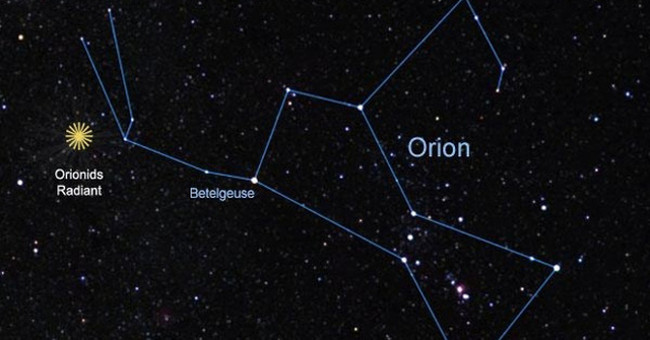
Guide to observe meteor shower Orionids tonight
This year, if the weather permits, we will be able to see many long and bright shooting stars with a density of about 20 meteors per hour.
Browse ScienceInfo articles and explainers related to Shoot.
252 published items.
This year, if the weather permits, we will be able to see many long and bright shooting stars with a density of about 20 meteors per hour.

Unlike other astronomical phenomena such as Eclipse, Moonlight, or Comet - Meteor shower is a phenomenon that occurs quite often and is very interesting for those who ha…
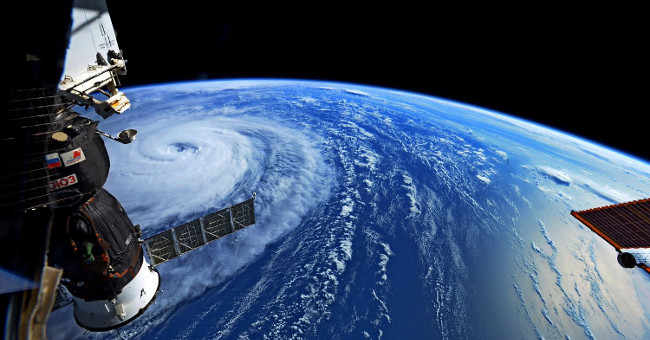
Astronauts from the International Space Station (ISS) observed and recorded the most dramatic images of the storm that was supposed to be the largest in 2017, up to the…
Philip Davies, a British family doctor, is selling land on Mars via his Mars.Sale website.
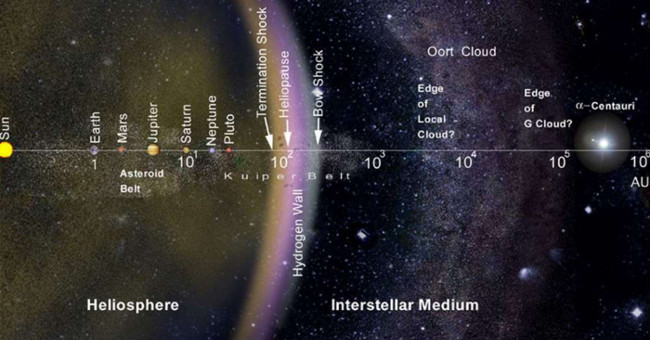
The HIP 85605 dwarf star, one of 14 stars heading to Earth, has the ability to shoot asteroids in the cloud of Oort nebula into the solar system, threatening life on Ear…
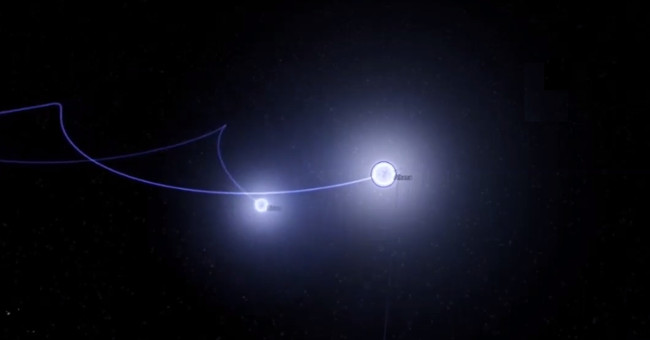
Supernova explosions are the culprits that cause super-high-flying stars to fly through galaxies.
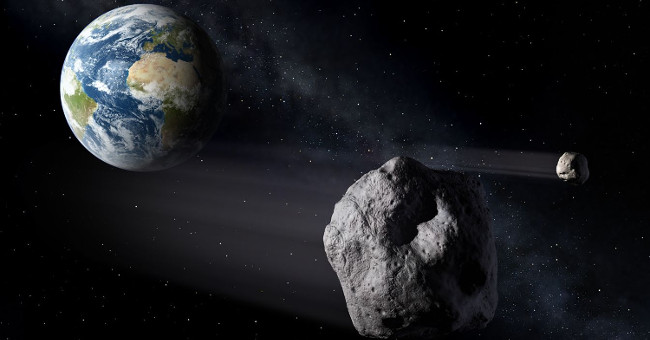
NASA announces plans to launch a pilot to change asteroids orbit near Earth.
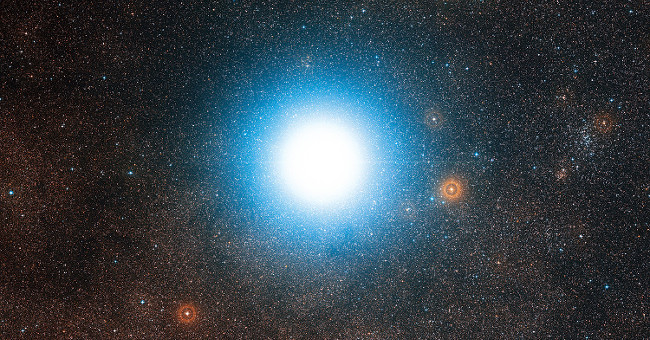
A group of astronomers plans to launch a satellite in 2019 to shoot Proxima b face-to-face,
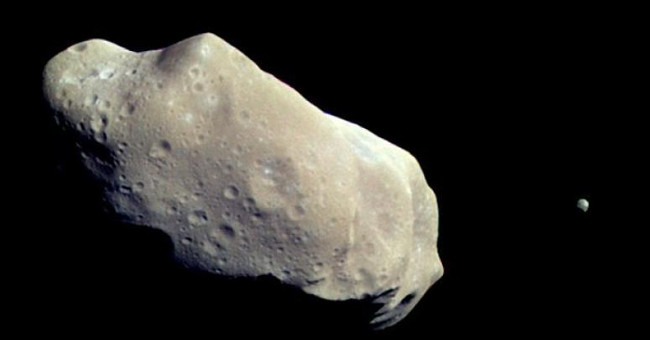
Russian scientists plan to upgrade nuclear missiles to shoot down meteors at risk of hitting Earth.

The vast solar system hides undiscovered things, especially its harshness, from storms with wind speeds of thousands of kilometers per hour, to geographic regions with t…
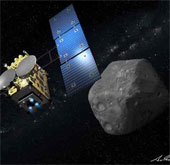
Japanese scientists have successfully tested a cosmic cannon used to bombard meteorites in search of the origin of the planets.
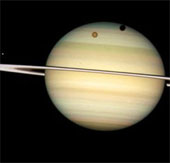
The US Aeronautics and Space Agency (NASA) urged people around the world to wave their hands into the air on July 19 when Cassini intended to photograph the Earth throug…
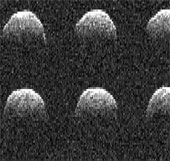
Russian scientists have proposed shooting down the 1999 RQ36 asteroid, after assuming that this solar-heated asteroid could change its orbit and fall to Earth in 2182.

Scientists from the US Aeronautics Agency (NASA) have fired a laser beam forming the famous picture of Leonardo da Vinci on a spacecraft flying around the moon.
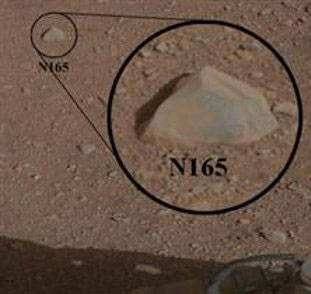
The Curiosity of the US Aerospace Agency (NASA) has for the first time deployed a laser device to shoot a rock on Mars, using 30 short but intense light rays.