
Science story
Glycerine and its miraculous uses in life
Glycerine was first discovered in 1779 by Carl Wilhelm Scheele, a chemist from Sweden.
Browse ScienceInfo articles and explainers related to Skin.
1,441 published items.
Glycerine was first discovered in 1779 by Carl Wilhelm Scheele, a chemist from Sweden.

A prolonged lack of heat that prevents the body from cooling itself can cause serious heat-related complications such as heatstroke, muscle cramps, or exhaustion.

Bioengineered corneas have restored vision to people with impaired vision, including those who were blind before they were transplanted.

The groundbreaking experiment with mice successfully cloned from only frozen skin cells will pave the way for humanity's daring dream: Bringing extinct creatures back fr…

The human body has trillions of cells. Over time, cells age and get damaged, so the cells in the human body are constantly regenerating. So why do people still age?

The World Health Organization (WHO) is reviewing reports of cases of monkeypox virus detected in the semen of patients, thereby assessing the possibility that the diseas…

No one thinks that their smooth skin can look very 'colorful' under UV light, right?

Resentment, anger or sadness are the culprits that make your skin wrinkled, aging quickly, even cancer.

Japanese researchers have created a robotic finger with a self-healing flexible plastic coating made from human skin cells.

The machine learning system can predict player positions beyond the view of the camera, allowing to track the position of most players on the field quite accurately.

Australia's first solar-powered eight-storey office building is expected to open mid-2023, helping to reduce CO2 by 77 tons per year.
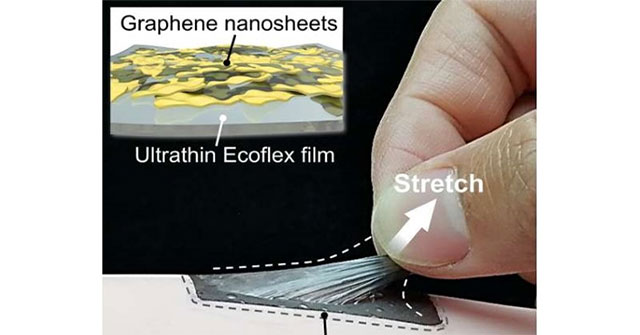
Professor Chen Tao's team at the Ningbo Institute of Materials Technology and Engineering (NIMTE) of the Chinese Academy of Sciences (CAS) has invented biomimetic soft s…

'Dolphin skin' used to be a hot phrase for beauty bloggers to refer to a smooth, shiny skin. However, these marine animals are not all born with such a wonderful skin.

There are hundreds of Demodex, or eyelash beetles, living in different areas of the human face. During the day they hide well, at night they crawl to the surface of huma…
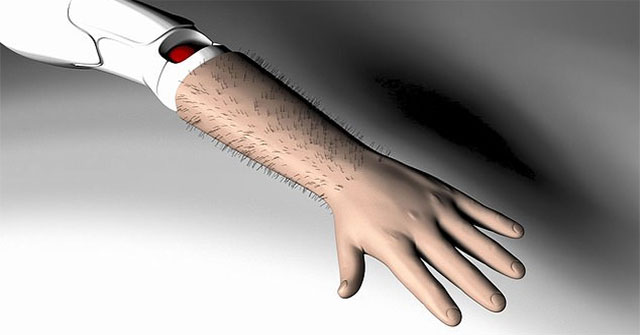
Recently, scientists have made a big step in the development of electronic skin integrated with artificial hair.