New technology
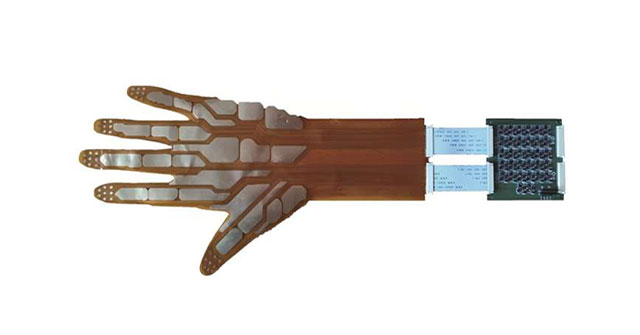
Artificial touch helps robots be as sensitive as humans
Scientists have successfully developed an artificial tactile system that can be used in creating prosthetic hands, helping robots have the ability to feel like humans.
Browse ScienceInfo articles and explainers related to Skin.
1,441 published items.
Scientists have successfully developed an artificial tactile system that can be used in creating prosthetic hands, helping robots have the ability to feel like humans.
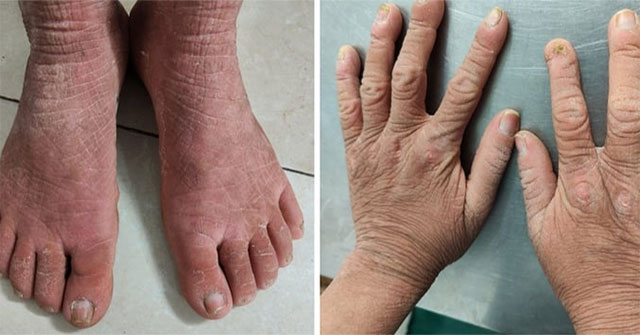
A 31-year-old woman with dry skin and keratoses all over her body with loss of hair, eyebrows, and eyelashes, the doctor diagnosed with Keratitis-Ichthyosis-Deafness (KI…

Cucumber, also known as cucumber, is an extremely popular dish in Vietnamese daily meals. But many people are still eating the wrong way.

The rammed earth sections of the Great Wall of China were built by compacting natural materials with soil.

Although the African lion is known as

Sun poisoning causes sunburn on the skin, which can lead to pain, fever, nausea, dehydration, and confusion.
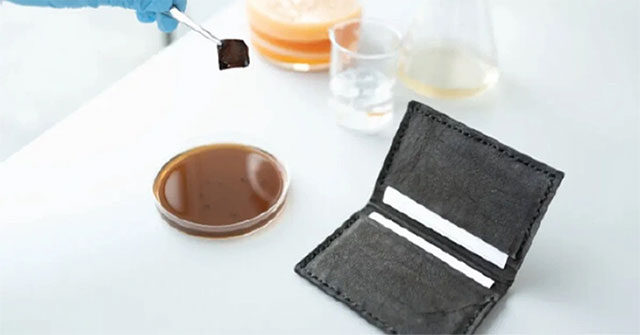
British researchers have successfully genetically modified Komagataeibacter bacteria to create a type of skin
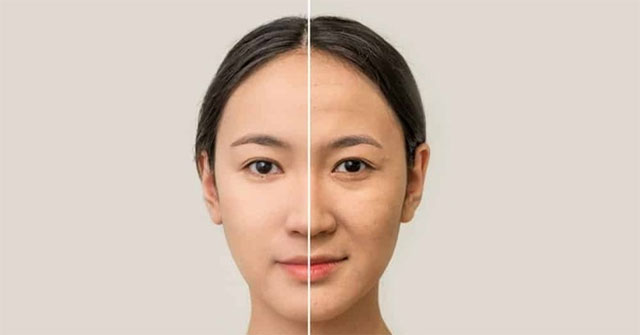
Eating a lot of candied fruit, cakes or ice cream increases blood sugar, causing a decrease in collagen, causing the skin to age quickly.
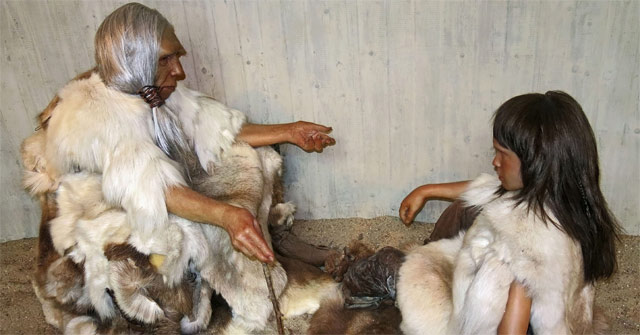
According to archaeologists, they found evidence of the earliest time human ancestors were not 'naked' in archaeological areas such as Gran Dolina in the Atapuerca Mount…

After the book's human skin cover is removed, interested people can still read the book's content directly at the Harvard library or online.

Dr. Zhang Xiaofang - Deputy Head of the Department of Rheumatology and Immunology of Hangzhou No. 1 People's Hospital (Zhejiang, China) said that this is a rare disease…

Heman Bekele, 14 years old, won the prize
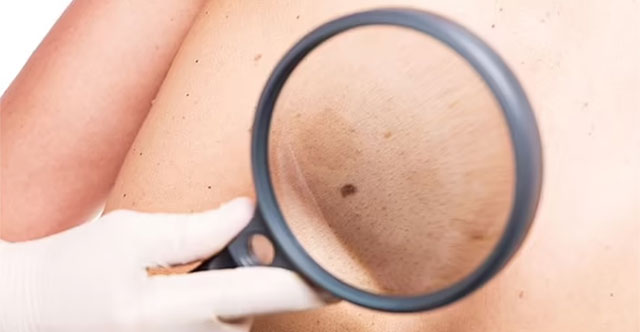
Scientists have discovered a new method that can detect skin cancer in just a few seconds, thanks to technology available on 6G network phones.

Researchers found the world's oldest lead-containing skin whitening cosmetics in a tomb of aristocrats who lived in China more than 2,700 years ago.
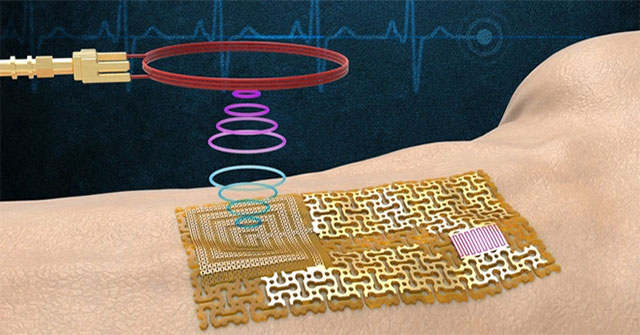
Engineers from MIT have invented a new type of wearable sensor that can communicate wirelessly without the need for an integrated chip or battery.