
Health
Why should you not drink alcohol on an empty stomach?
Alcohol is the most widely used beverage today. Both when we are happy and when we are sad, we often turn to alcohol to share joy or relieve sadness.
Browse ScienceInfo articles and explainers related to Small.
2,255 published items.
Alcohol is the most widely used beverage today. Both when we are happy and when we are sad, we often turn to alcohol to share joy or relieve sadness.
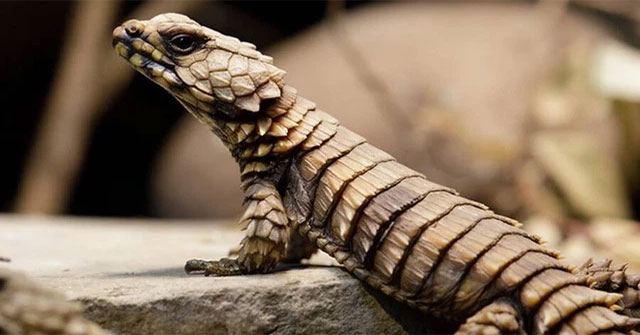
One of the strangest animals in the rocky plains of South Africa, the armadillo lizard possesses a very distinctive appearance and is likened to a miniature dragon in re…

A small detail but makes experts say that 'the wisdom of the ancients is too sublime'.

Prime Minister Luu Gu has carved into the audience's memory for generations with the image of a small, hunchback but never bowing to the wicked.
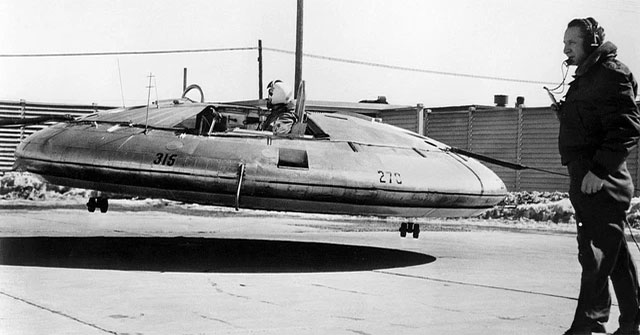
In the 1950s, a small group of engineers began working on a secret program called Project 1794 that aimed to develop a hypersonic vehicle (flying saucer) designed to sho…
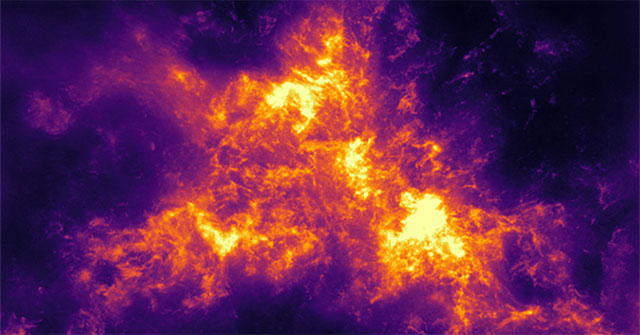
The Small Magellanic Cloud is one of the satellite dwarf galaxies of the Earth-containing galaxy, the Milky Way.

Although only touching the bottom a very small area, but so far no one has pushed this rock to roll down.

Archaeologists have identified a series of previously unknown Inca structures hidden within the famous Chachabamba temple complex in Machu Picchu National Park.
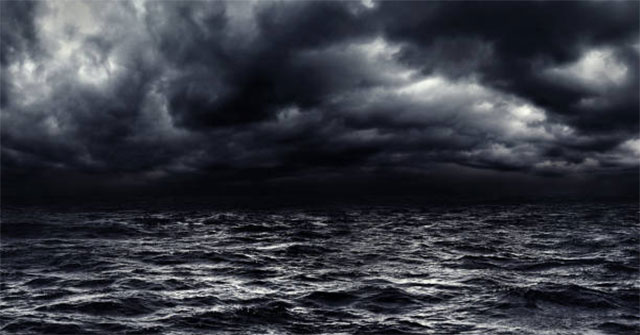
Scientists have discovered a new type of weather: an atmospheric lake. In the atmospheric lake there are small, slow-moving pools of water that form rainstorms.

The 'small tail' on the back of sneakers may seem superfluous, but they actually have some very practical uses, let's explore.

Looking at a star in the sky, which appears only as a small bright dot and estimates its distance, seems very vague.
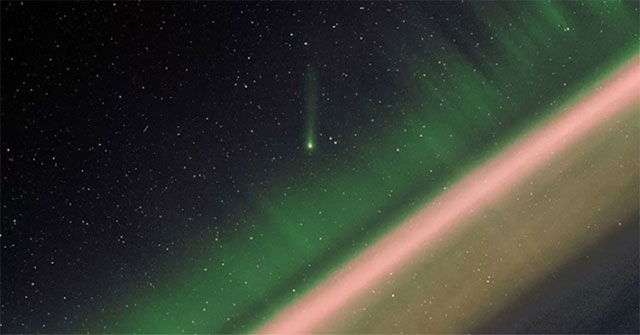
China's Yangwang 1 satellite captured the moment comet Leonard's closest approach to Earth on December 12.

Breakthrough in downsizing nuclear reactors can create a new wave, a new wind for the energy industry.
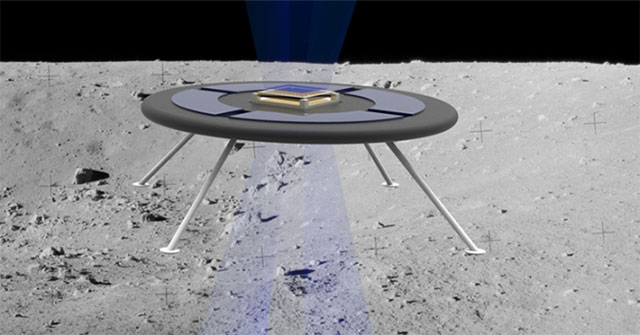
MIT's flat circular robot takes advantage of the Moon's natural electric field to levitate, consuming very little energy when operating.
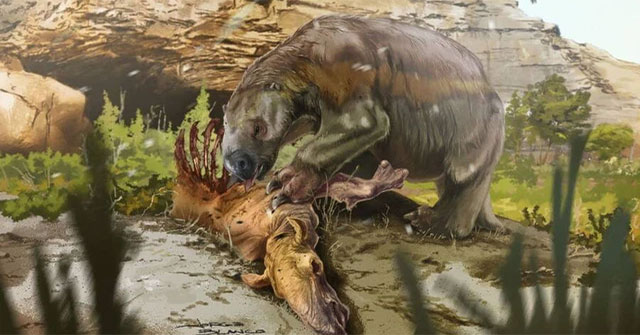
Scientists determined that these fearsome monsters were omnivores and likely scoured South America in search of meat.