Oceanography
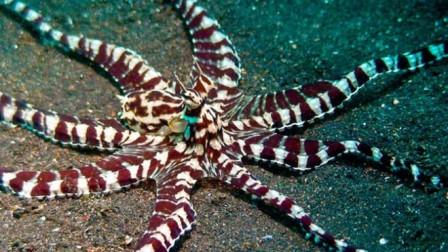
Octopus 'impersonates' flatfish to survive
The BBC reported that the Thaumoctopus mimicus octopus living in Indonesian waters could 'impersonate' the same swimming technique of flatfish or sea snakes to survive.
Browse ScienceInfo articles and explainers related to Snake.
824 published items.
The BBC reported that the Thaumoctopus mimicus octopus living in Indonesian waters could 'impersonate' the same swimming technique of flatfish or sea snakes to survive.

Under the deep blue water there are countless dangerous creatures, from enormous creatures with tremendous power to tiny creatures with powerful self-defense weapons.

Although living in oceans, sea snakes do not drink saltwater even if they are very thirsty.
Through the published research work, scientists at the Institute of Oceanography have identified 39 species of seafood in Vietnamese waters carrying toxins (including fi…
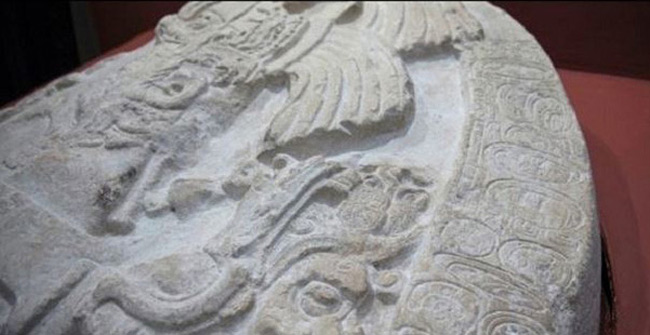
The nearly 1,500-year-old sculpture altar from the Mayan area of 'La Corona', located in the Peten region of northern Guatemala, is on display at the National and Ethn…
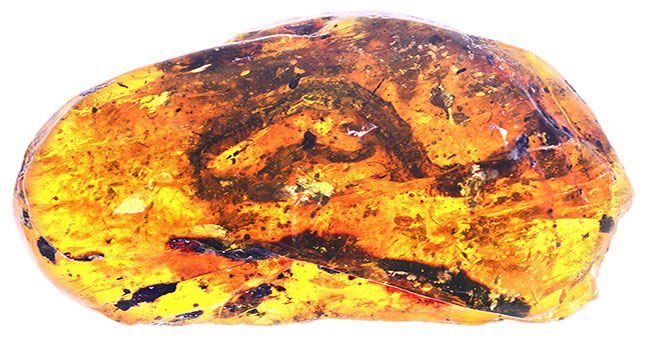
The young snake crawled out of its shell 99 million years ago in Southeast Asia without a chance to grow up. Instead, it was hit by tree sap and eventually died hard in…

The specimen found in the Alps is believed to be the fossil of the ancient lizard species living on Earth at least 240 million years ago.

In the glorious years of the mysterious Mayan civilization, there is a truth that very few people know, that is the existence of the mighty kingdom of Snake Kings.

The ambition to build a mighty Maya empire, the Snake Kings has constantly implemented many special political alliance policies, in order to strengthen the ultimate powe…
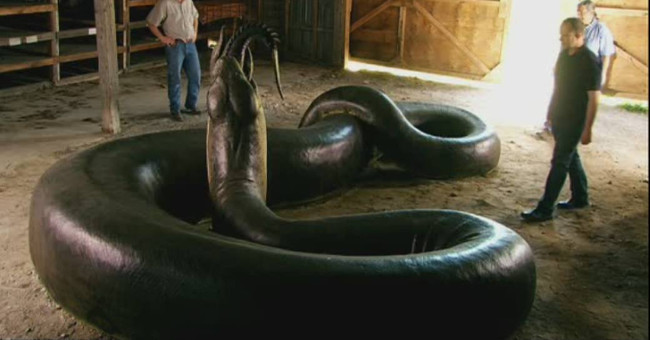
Titanoboa is 14.6 meters long, lives in the jungle 60 million years ago and specializes in hunting crocodiles to eat meat.
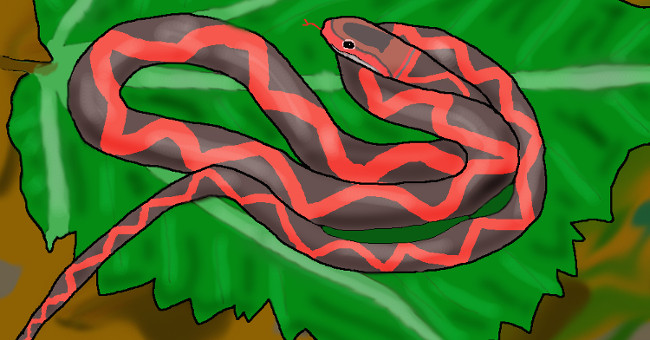

Italian researchers found the earliest description of worm disease only when studying a medieval painting.
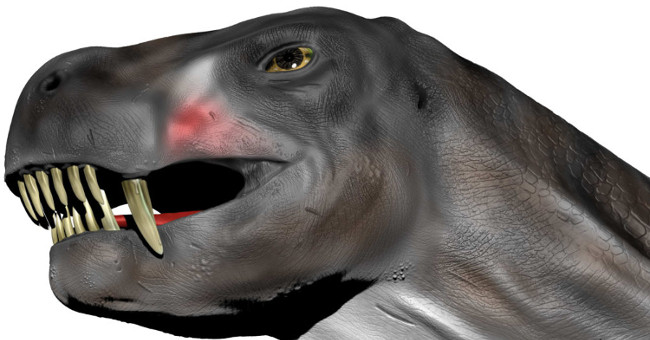
Researchers have recently discovered mammal-like reptiles, which are about the same size as dogs, have venom earlier than snakes.
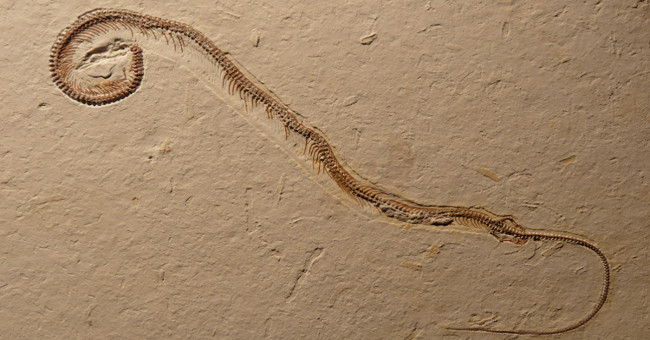
The new study suggests that a four-legged solid fossil does not have the characteristics of a snake and is actually an ancient lizard species living under water.
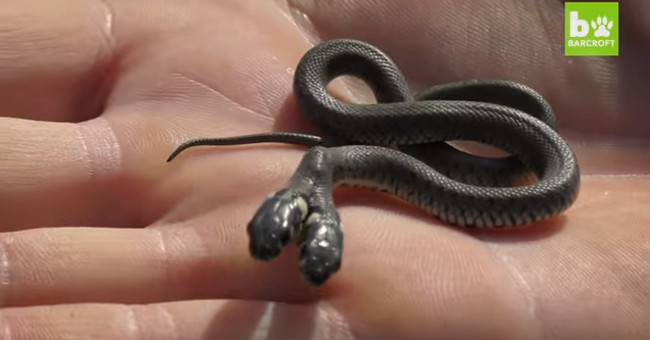
A Croatian resident found a two-headed cobra lying in the sun in the garden.